
Entering the housing market as a first-time homebuyer can feel overwhelming, especially with various loan options available. However, conventional mortgages often provide some of the most flexible and competitive financing solutions for new homeowners. Unlike government-backed loans, these mortgages offer unique advantages that might surprise many first-time buyers. Understanding how conventional loans work and their specific benefits can help you make an informed decision about your home financing journey.
Understanding Conventional Mortgage Basics
A conventional mortgage is a home loan that isn't insured or guaranteed by a government agency like the FHA, VA, or USDA. These loans are offered by private lenders, including banks, credit unions, and mortgage companies. They typically conform to guidelines set by government-sponsored enterprises like Fannie Mae and Freddie Mac.
What makes conventional mortgages particularly attractive is their flexibility in terms and structure. They're available as both fixed-rate and adjustable-rate mortgages, with loan terms ranging from 10 to 30 years. This variety allows first-time homebuyers to choose a loan structure that best fits their financial situation and long-term goals.
The loan amounts for conventional mortgages can vary significantly based on your location. In most areas, the conforming loan limit allows borrowers to finance substantial home purchases while still benefiting from competitive interest rates and favorable terms.
Down Payment Flexibility for New Buyers
One of the biggest misconceptions about conventional mortgages is that they require a 20% down payment. In reality, many lenders offer conventional loans with down payments as low as 3% for qualified first-time homebuyers. This lower down payment requirement makes homeownership more accessible to those who haven't had years to save a large sum.
The 3% down payment option is particularly beneficial for first-time buyers who might be paying rent while trying to save for a home. Instead of waiting years to accumulate a 20% down payment, buyers can enter the market sooner and start building equity in their own property.
It's worth noting that putting down less than 20% typically requires private mortgage insurance (PMI). However, this insurance can be removed once you reach 20% equity in your home, either through payments or appreciation. This temporary cost might be worthwhile to get into homeownership sooner rather than later.
Credit Requirements and Qualification Standards
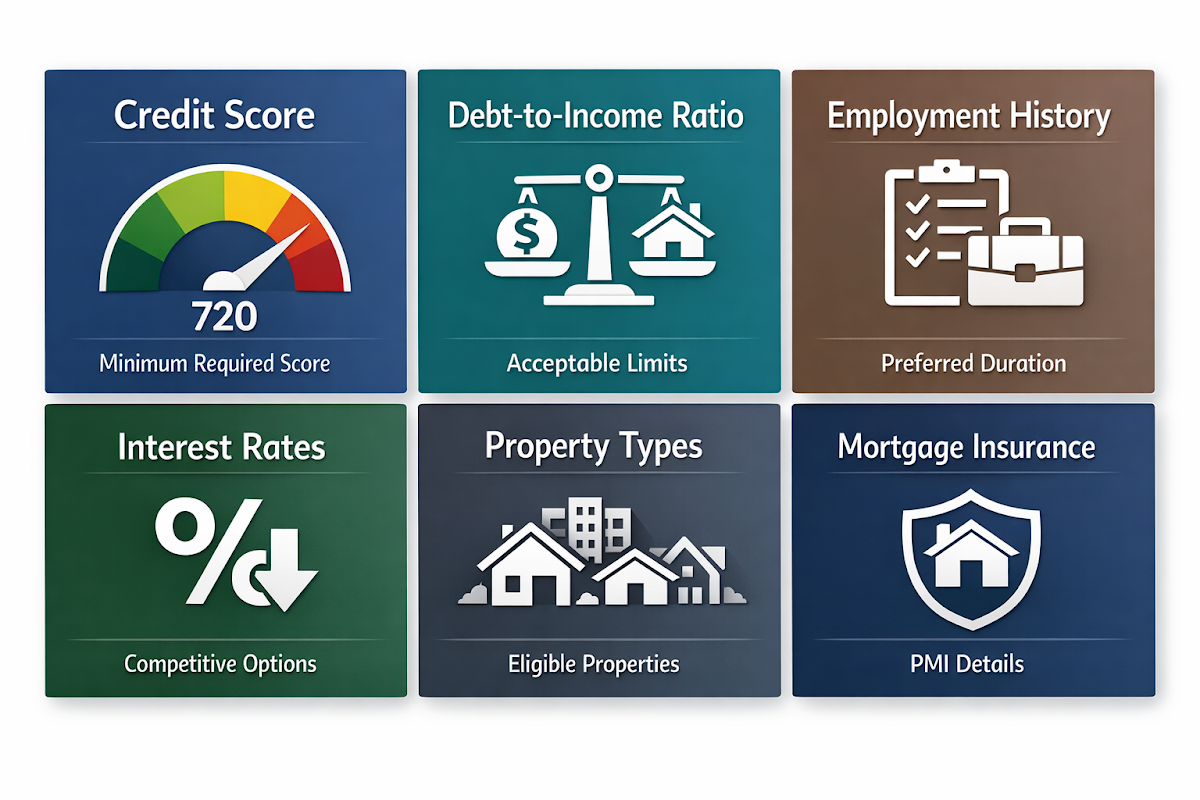
Conventional mortgages typically require higher credit scores compared to government-backed loans, but the standards are often more achievable than many first-time buyers realize. Most lenders prefer credit scores of 620 or higher, though some may work with scores as low as 580 in certain circumstances.
The debt-to-income ratio requirements for conventional loans are generally reasonable, typically allowing for ratios up to 43% to 45%. This means your total monthly debt payments, including the proposed mortgage, shouldn't exceed this percentage of your gross monthly income. However, compensating factors like a larger down payment or significant savings might allow for higher ratios.
Employment history and income stability are important factors in the approval process. Lenders typically prefer to see two years of consistent employment, though recent graduates with job offers in their field of study might still qualify with proper documentation.
Interest Rate Advantages
Conventional mortgages often offer some of the most competitive rates available in the mortgage market. Since these loans aren't backed by government insurance, lenders can be more flexible with their pricing, especially for borrowers with strong credit profiles.
First-time homebuyers with good credit scores might find that conventional loans offer lower rates than government-backed alternatives. Even a small difference in interest rates can result in significant savings over the life of the loan, making conventional mortgages an attractive option for qualified buyers.
The rate you receive will depend on various factors, including your credit score, down payment amount, loan term, and current market conditions. Working with a knowledgeable lender can help you understand what rates you might qualify for and how to potentially improve your rate through various strategies.
Property Type Flexibility and Investment Potential
Conventional mortgages offer more flexibility in terms of property types compared to many government-backed loans. You can use a conventional loan to purchase single-family homes, condominiums, townhomes, and even multi-unit properties (up to four units) as long as you plan to live in one of the units.
This flexibility can be particularly valuable for first-time homebuyers who want to explore house hacking strategies, where they live in one unit of a multi-family property and rent out the others to help cover mortgage costs. The rental income from additional units can often be counted toward qualifying income, making it easier to afford a larger property.
Additionally, conventional loans don't have the same restrictions on property condition that some government loans impose. While the property still needs to meet basic safety and habitability standards, you might have more options when it comes to fixer-uppers or unique properties.
No Upfront Mortgage Insurance Premium
Unlike FHA loans, conventional mortgages don't require an upfront mortgage insurance premium. This can result in lower closing costs and less money needed at the time of purchase. While you might still pay private mortgage insurance if your down payment is less than 20%, this cost is typically rolled into your monthly payment rather than paid upfront.
The PMI on conventional loans is also generally less expensive than the mortgage insurance required on FHA loans. Additionally, conventional loan PMI can be removed automatically once you reach 22% equity, or you can request removal at 20% equity. This contrasts with FHA mortgage insurance, which often remains for the life of the loan.
For first-time homebuyers working with limited funds for closing costs, this lack of an upfront insurance premium can make the difference between being able to purchase a home or needing to wait longer to save additional funds.
Refinancing Opportunities and Long-term Benefits
Conventional mortgages often provide more straightforward refinancing opportunities compared to government-backed loans. If interest rates drop or your financial situation improves, you can typically refinance to a new conventional loan without the complications that might arise with government loan programs.
The streamlined refinance options available with conventional loans can help you take advantage of rate improvements or remove mortgage insurance once you've built sufficient equity. This flexibility can result in long-term savings and improved loan terms as your financial situation evolves.
For first-time homebuyers who expect their income to grow over time, starting with a conventional mortgage can position them well for future refinancing opportunities. Whether you want to access your home's equity for improvements or simply secure a better rate, conventional loans typically offer more options and fewer restrictions.
●Conclusion
Conventional mortgages offer first-time homebuyers a compelling combination of flexibility, competitive rates, and reasonable qualification requirements. While they might require slightly higher credit scores than government-backed loans, the benefits often outweigh this requirement for qualified borrowers. From low down payment options to the absence of upfront mortgage insurance premiums, these loans can make homeownership more accessible than many first-time buyers realize. If you're considering your home financing options, it's worth exploring what conventional mortgages can offer for your specific situation and long-term homeownership goals.