
Essential Business Loan for Technology Companies
Technology companies face unique financing challenges that traditional lending might not address. Whether you're developing cutting-edge software, scaling your IT infrastructure, or investing in research and development, securing the right business loan for technology companies requires understanding specialized funding options. While many tech entrepreneurs focus solely on venture capital, savvy business owners are discovering that diversified financing strategies can provide more stability and control over their growth trajectory.
The landscape of business financing has evolved significantly, with new products designed specifically for technology sector needs. From asset-based lending that considers intellectual property to revenue-based financing that aligns with subscription models, today's tech companies have more options than ever before.
Smart Financing Do's for Technology Companies
Smart financing do's for technology companies can make the difference between sustainable growth and cash flow challenges. When seeking a business loan for technology companies, following proven strategies helps ensure you secure terms that align with your company's unique operating model.
- Diversify your funding sources: Combine traditional loans with alternative financing options like revenue-based funding or equipment financing to create a robust capital structure that supports different aspects of your business growth.
- Leverage your intellectual property: Use patents, software licenses, and proprietary technology as collateral or valuation assets when negotiating with lenders who understand technology sector valuations.
- Prepare comprehensive financial projections: Tech companies often have non-traditional revenue patterns, so detailed forecasting that accounts for subscription models, seasonal fluctuations, and scaling costs demonstrates financial sophistication to lenders.
- Consider asset-based lending options: Technology equipment, servers, and specialized hardware can serve as collateral for secured loans that typically offer better interest rates than unsecured alternatives.
Critical Don'ts When Seeking Technology Business Loans
Critical don'ts when seeking technology business loans can save you from costly mistakes that might limit your future financing options. Understanding what to avoid helps technology companies navigate the complex landscape of business financing more effectively.
- Don't rely exclusively on venture capital: While VC funding seems attractive, it typically requires giving up equity and control. Debt financing preserves ownership while providing necessary capital for growth initiatives.
- Don't ignore cash flow timing: Many tech companies have irregular revenue cycles due to project-based work or subscription renewals. Avoid loans with rigid payment schedules that don't account for these natural fluctuations in cash flow.
- Don't overlook sector-specific lenders: Generic business lenders might not understand technology company valuations, intellectual property worth, or growth patterns. Specialized lenders often offer better terms and more flexible structures.
- Don't underestimate working capital needs: Technology companies often require substantial upfront investments in development, talent acquisition, and infrastructure before generating revenue. Plan for adequate working capital to bridge these gaps.
5 Types of Business Loans Perfect for Tech Companies
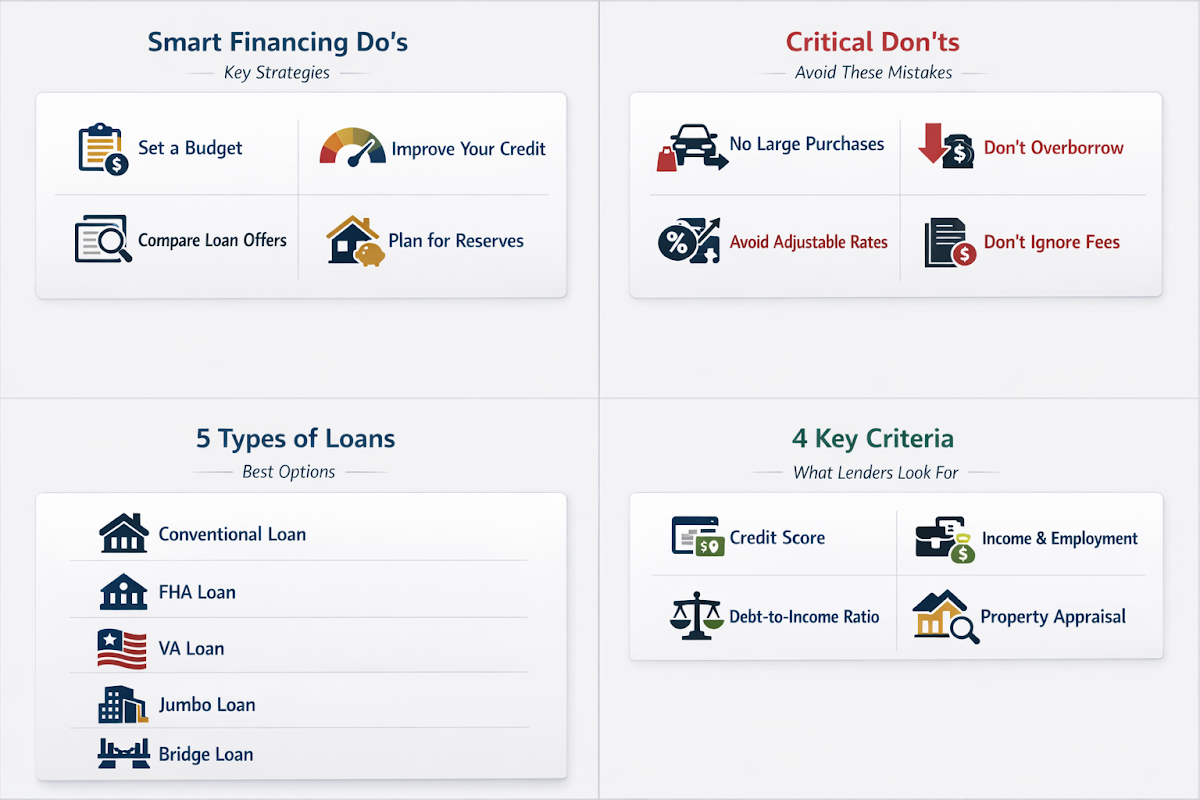
The right business loan for technology companies depends on your specific needs, growth stage, and revenue model. These five loan types address the most common financing requirements in the technology sector.
- Revenue-Based Financing: This option works particularly well for SaaS companies and subscription-based businesses. Lenders provide capital in exchange for a percentage of future revenue, typically ranging from 2% to 10%. Payments fluctuate with your income, making it easier to manage during slower periods while allowing you to retain full ownership of your company.
- Equipment Financing: Technology companies frequently need expensive hardware, servers, software licenses, and specialized equipment. Equipment loans use the purchased items as collateral, often covering 80% to 100% of the cost with competitive interest rates. This preserves working capital for other business needs.
- SBA 7(a) Loans: These government-backed loans offer favorable terms for qualifying technology companies, including lower down payments and longer repayment periods. They're particularly useful for established tech companies looking to expand operations, acquire real estate, or fund major growth initiatives.
- Invoice Financing: For B2B technology companies with outstanding receivables, invoice financing provides immediate cash flow by advancing funds against unpaid invoices. This solves the common problem of waiting 30-90 days for client payments while maintaining operations and growth momentum.
- Bridge Loans: Short-term financing that helps technology companies bridge gaps between funding rounds, major contracts, or seasonal revenue cycles. While more expensive than traditional loans, bridge financing provides crucial flexibility during transition periods or rapid growth phases.
4 Key Qualification Criteria Technology Lenders Evaluate
Understanding what lenders look for when evaluating a business loan for technology companies helps you prepare a stronger application and improve your chances of approval with favorable terms.
- Revenue Consistency and Growth Trajectory: Lenders analyze your revenue patterns over the past 12-24 months, looking for consistent growth or stable recurring revenue. Technology companies with subscription models or long-term contracts typically receive more favorable consideration than those with project-based or volatile income streams.
- Technology Assets and Intellectual Property: Your proprietary software, patents, trademarks, and developed technology platforms represent significant value to specialized lenders. Companies with strong IP portfolios or unique technology solutions often qualify for larger loan amounts and better terms than those without substantial intangible assets.
- Management Team Experience and Track Record: Lenders evaluate the leadership team's industry experience, previous successes, and ability to execute business plans. Teams with proven track records in technology development, scaling operations, or successful exits from previous ventures typically receive more favorable lending terms.
- Market Position and Competitive Advantages: Your company's position within its technology niche, customer retention rates, and competitive differentiators influence lending decisions. Companies with strong market positions, recurring revenue, and clear competitive moats present lower risk profiles to lenders and may qualify for larger loan amounts.
3 Steps to Secure Optimal Technology Company Financing
Securing the right business loan for technology companies requires a strategic approach that maximizes your chances of approval while securing favorable terms that support your growth objectives.
- Prepare Comprehensive Financial Documentation: Technology companies need detailed financial records that clearly demonstrate revenue patterns, growth metrics, and cash flow projections. Include key performance indicators specific to your technology sector, such as customer acquisition costs, lifetime value, churn rates, and monthly recurring revenue. This documentation helps lenders understand your business model and assess risk accurately.
- Research and Target Appropriate Lenders: Different lenders specialize in various aspects of technology financing. Some focus on SaaS companies, others on hardware manufacturers, and still others on early-stage tech startups. Research lenders who understand your specific technology sector and have experience with companies at your growth stage. This targeted approach typically results in better terms and faster approval processes.
- Structure Your Application for Maximum Impact: Present your loan application in a way that highlights your technology company's strengths while addressing potential concerns proactively. Include market analysis demonstrating demand for your technology solutions, detailed use of funds that shows how the loan will drive revenue growth, and contingency plans that demonstrate responsible financial management. A well-structured application sets you apart from competitors and builds lender confidence.
●Conclusion
Finding the right business loan for technology companies requires understanding your specific needs and matching them with appropriate financing solutions. Whether you choose revenue-based financing that scales with your growth, equipment loans that preserve working capital, or bridge financing that provides crucial flexibility, the key lies in aligning your financing strategy with your business model and growth objectives.
Success in securing technology company financing comes from thorough preparation, targeting the right lenders, and presenting your company's unique value proposition effectively. By following the do's and avoiding the don'ts outlined above, technology companies can access the capital needed to fuel innovation, scale operations, and capture market opportunities. Remember that the best financing solution isn't always the cheapest option, but rather the one that provides the right balance of capital access, terms flexibility, and growth support for your technology company's specific situation.