
Smart Business Loan for Payroll Solutions
Real estate investors often face unique cash flow challenges, especially when managing payroll expenses for their investment operations. Whether you're running a property management company, overseeing construction crews for fix and flip projects, or maintaining staff for rental property operations, funding payroll expenses can become a critical concern during market fluctuations or between property transactions.
A business loan for payroll might provide the financial bridge you need to maintain operations while your investment properties generate returns. Understanding your payroll financing options can help you make informed decisions that protect both your workforce and your investment portfolio during challenging periods.
Essential Payroll Financing Options for Property Investors
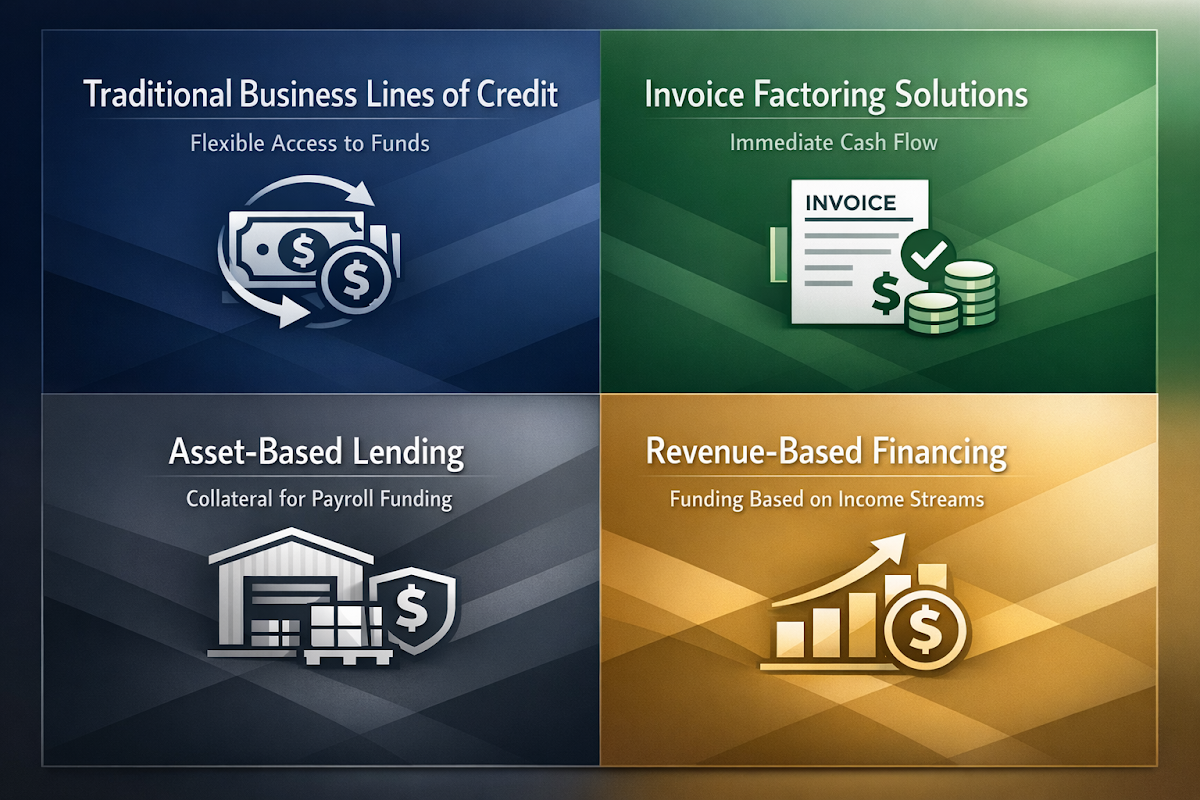
Essential payroll financing options for property investors typically include several funding mechanisms designed to address short-term cash flow gaps. Real estate investment businesses often experience irregular income patterns, making traditional payroll management challenging during slower periods.
- Traditional business lines of credit: These may offer flexible access to funds with competitive interest rates, allowing you to draw only what you need for payroll expenses
- Invoice factoring solutions: If your investment business generates invoices from property management or contracting services, factoring could provide immediate cash flow
- Asset-based lending: Your real estate portfolio might serve as collateral for securing payroll funding during temporary cash shortages
- Revenue-based financing: Some lenders offer funding based on your property income streams, which could align well with real estate investment cash flows
Managing Payroll with a Business Loan During Market Fluctuations
Managing payroll with a business loan during market fluctuations requires careful planning and strategic timing. Real estate markets can be unpredictable, and your investment income might vary significantly from month to month, making consistent payroll management challenging.
- Timing loan drawdowns strategically: You might coordinate loan usage with your property income cycles to minimize interest costs and maximize cash flow efficiency
- Creating payroll reserves: Using loan funds to establish a payroll reserve fund could provide stability during market downturns or unexpected vacancy periods
- Monitoring debt-to-income ratios: Keeping track of how payroll loans affect your overall financial picture helps maintain lending capacity for future property acquisitions
- Establishing repayment schedules: Aligning loan repayments with your property income schedules may help avoid cash flow conflicts between debt service and operational needs
Payroll Loan Interest Rates and Cost Considerations
Payroll loan interest rates and cost considerations play a crucial role in determining whether this financing option makes sense for your real estate investment business. Understanding the total cost of borrowing helps you evaluate whether the benefits outweigh the expenses.
- Short-term vs. long-term rates: Short-term payroll loans might carry higher interest rates but could be more cost-effective if you need funding for just a few months
- Secured vs. unsecured options: Using real estate assets as collateral typically results in lower interest rates compared to unsecured business loans
- Origination fees and processing costs: Many payroll financing options include upfront fees that could significantly impact the total cost of borrowing
- Early repayment penalties: Some lenders charge penalties for early loan repayment, which might affect your strategy if property sales accelerate your cash flow recovery
Alternative Funding Strategies Beyond Traditional Business Loans
Alternative funding strategies beyond traditional business loans might offer more flexible solutions for real estate investors facing payroll challenges. These options often provide faster approval processes and may better align with the unique needs of property investment businesses.
- Bridge financing solutions: If you're between property transactions, bridge loans could provide temporary payroll funding while waiting for closings or refinancing
- Private lending arrangements: Real estate investors might access private capital from other investors or lending networks specifically familiar with property investment cash flows
- Equipment financing for operational needs: If your payroll includes equipment operators or maintenance staff, equipment financing might free up working capital for payroll expenses
- Partnership or joint venture arrangements: Collaborating with other investors or property management companies could help share payroll costs and reduce individual funding needs
Best Practices for Payroll Funding in Real Estate Investment
Best practices for payroll funding in real estate investment focus on maintaining financial stability while preserving your ability to capitalize on investment opportunities. Successful investors often develop comprehensive strategies that balance immediate payroll needs with long-term growth objectives.
- Maintaining emergency cash reserves: Building and maintaining cash reserves equivalent to 3-6 months of payroll expenses could reduce your reliance on external financing during market downturns
- Diversifying income sources: Developing multiple revenue streams from different property types or geographic markets might provide more consistent cash flow for payroll management
- Establishing banking relationships: Building strong relationships with lenders who understand real estate investment can improve your access to favorable payroll financing terms
- Regular financial monitoring: Implementing monthly cash flow projections and payroll budgeting helps identify potential funding needs before they become critical issues
●Conclusion
Securing appropriate funding for payroll expenses remains a critical concern for real estate investors managing teams across various property ventures. While a business loan for payroll can provide necessary cash flow stability, the key lies in selecting financing options that align with your investment strategy and market conditions.
Whether you choose traditional lending products, alternative funding solutions, or a combination of strategies, maintaining adequate payroll funding helps protect your most valuable asset: your team. By implementing sound financial planning practices and establishing strong lending relationships, you can ensure your real estate investment business maintains operational stability while continuing to pursue profitable opportunities in the market.