
If you own a retail store, you already know that inventory demand doesn't stay the same from month to month. Whether you're gearing up for the holiday shopping rush, a back-to-school surge, or a summer slowdown, managing stock levels while keeping the lights on can feel like a constant balancing act. That's where the right financing can make a real difference. Understanding your business loan options for a retail store with seasonal inventory fluctuations is one of the smartest moves you can make as a small business owner. With the right funding strategy, you can stock up when it matters most and stay financially stable during quieter periods — without putting unnecessary strain on your operations.
Why Seasonal Cash Flow Creates Unique Financing Challenges
Retail businesses often experience dramatic swings in revenue throughout the year. A toy store may generate the bulk of its annual sales between November and January. A garden supply shop might see its busiest months in spring. A back-to-school clothing boutique could earn most of its income in late summer. These predictable but intense peaks and valleys create a very specific problem: you need to purchase inventory before the revenue arrives.
This timing gap is the heart of the challenge. You may need to place large orders with suppliers weeks or months in advance, often paying upfront or within tight credit terms. Meanwhile, your sales revenue from the previous season may already be stretched thin. Without adequate financing, you might miss out on bulk pricing, lose shelf space to competitors, or fail to meet customer demand at exactly the moment they're ready to buy.
Traditional financing products aren't always built with this rhythm in mind. A standard term loan, for example, typically requires fixed monthly payments regardless of your revenue cycle. That structure might work well for a business with steady income, but it can create pressure during off-peak months when cash flow is naturally tighter. That's why it's worth exploring financing options that are designed — or at least flexible enough — to align with how your business actually operates.
Business Lines of Credit: Flexible Funding That Moves With Your Business
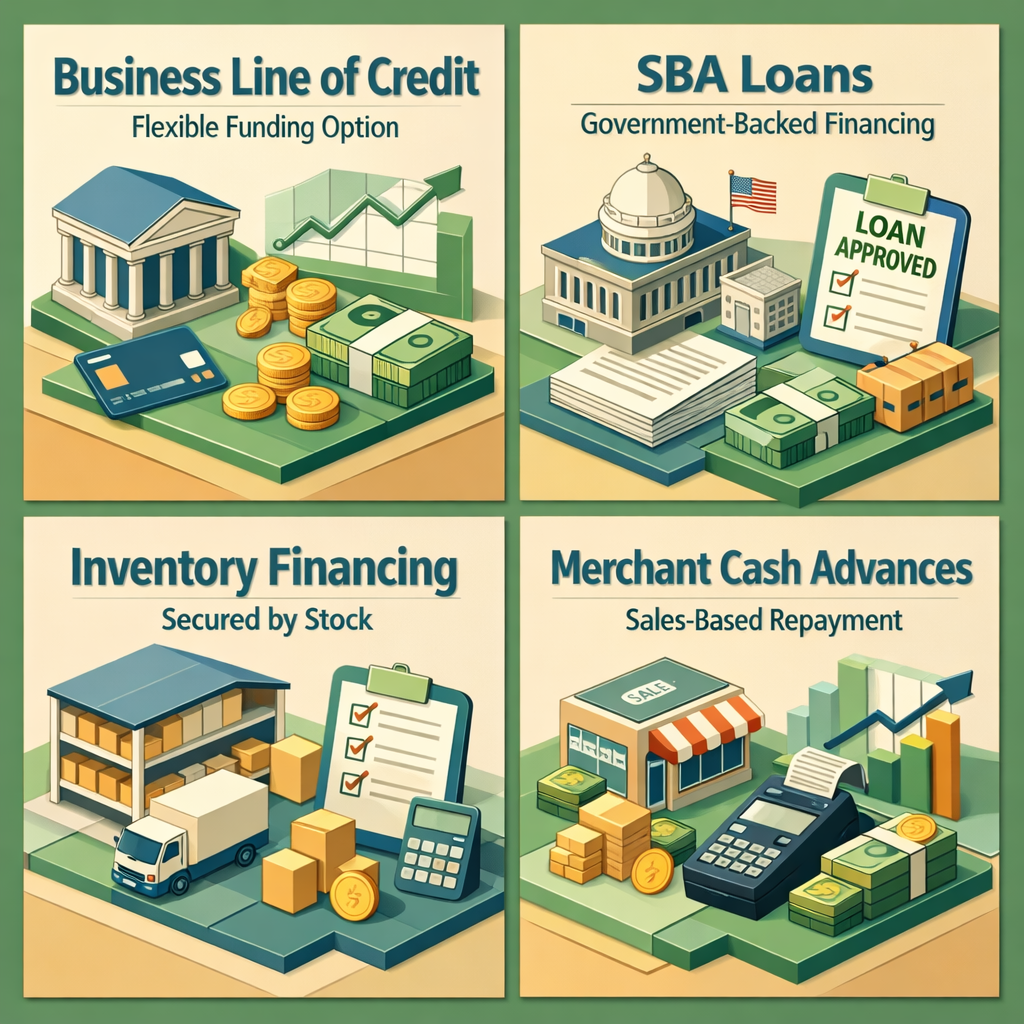
For many retail store owners dealing with seasonal inventory fluctuations, a business line of credit is often one of the most practical tools available. Think of it like a financial safety net you can draw from when you need it and pay back as revenue comes in. You're only charged interest on the amount you actually use, which makes it a cost-efficient option compared to taking a lump-sum loan you may not need all at once.
Here's how it typically works: a lender approves you for a maximum credit limit based on your business financials, credit history, and revenue. You can then draw funds as needed — whether that's $5,000 to restock a top-selling product or $30,000 to prepare for your biggest selling season. As you repay what you've borrowed, that credit becomes available again, giving you ongoing flexibility.
This revolving structure makes a line of credit particularly well-suited to the seasonal inventory business loan challenge. During slow months, you might draw very little or nothing at all. During peak prep seasons, you can access capital quickly without going through a lengthy new loan application. Many lenders offer both secured and unsecured lines of credit, though secured options — backed by business assets or accounts receivable — may come with higher limits and potentially more favorable terms.
- Best for: Retailers with predictable seasonal cycles who need recurring, flexible access to capital
- Watch out for: Variable interest rates and annual renewal requirements that could affect your terms
SBA Loans: Government-Backed Financing With Competitive Terms
Small Business Administration (SBA) loans are a popular choice among small business owners because they often offer lower interest rates and longer repayment terms than conventional business loans. The federal government guarantees a portion of these loans, which reduces risk for lenders and can make it easier for small retailers to qualify — especially those who may not have substantial collateral or a long credit history.
Two SBA programs are particularly relevant for retail store owners managing seasonal inventory needs:
- SBA 7(a) Loans: This is the SBA's most common loan program and can be used for a wide range of purposes, including working capital and inventory purchases. Loan amounts can go up to $5 million, and repayment terms may extend up to 10 years for working capital loans. The flexibility of the 7(a) program makes it a strong candidate for retailers who need meaningful funding ahead of a major selling season.
- SBA Microloans: For smaller retailers or newer businesses, SBA Microloans offer up to $50,000 through nonprofit intermediary lenders. These might be a practical option for boutique shop owners or entrepreneurs who don't yet have the revenue history to qualify for larger programs.
It's worth noting that SBA loans typically involve more paperwork and longer approval timelines compared to alternative lenders. If you need funding quickly before an upcoming seasonal rush, it may be wise to start the SBA application process well in advance — or use a faster financing option in parallel while your SBA application is in progress.
Inventory Financing: Loans Secured by Your Stock
Inventory financing is a specialized type of loan where the inventory itself serves as collateral. This can be a valuable option for retail store owners who have significant stock value but may not own real estate or other major assets to secure a traditional loan.
With inventory financing, a lender advances you a percentage of the value of the inventory you're purchasing — often somewhere between 50% and 80%, though terms vary by lender and product type. The lender holds a security interest in the inventory until the loan is repaid. As you sell your products and generate revenue, you pay down the loan balance.
This structure can align naturally with how seasonal retail works. You borrow to stock up, you sell through your inventory during peak season, and your revenue pays down the loan — ideally before the next slow period begins. It's a tidy cycle when managed well. However, lenders may conduct periodic audits of your inventory levels, and some may be selective about the types of goods they're willing to finance. Perishable items or highly specialized products with limited resale value may face more scrutiny.
Inventory financing tends to work best for retailers dealing in durable goods — apparel, electronics, sporting equipment, home furnishings, and similar product categories where the collateral holds relatively stable value.
Merchant Cash Advances and Revenue-Based Financing
For retail store owners who process a significant volume of credit card sales, a merchant cash advance (MCA) may be worth considering — though it comes with important trade-offs to understand. An MCA provides a lump sum of capital upfront in exchange for a percentage of your future daily credit or debit card sales until the advance is repaid.
One of the more appealing features of an MCA in the context of seasonal business is that repayment naturally fluctuates with your sales volume. During a busy holiday season when transactions are high, repayments are higher. During a slow January when fewer customers visit, the daily repayment amount is lower. This built-in flexibility can feel more manageable than rigid monthly loan payments during off-peak periods.
That said, MCAs can be costly. The factor rates used to calculate the total repayment amount often translate to high effective annual percentage rates. This type of financing is generally considered a short-term solution and may be better suited to bridging a temporary cash gap rather than funding a large seasonal inventory purchase. Entrepreneurs considering this path should carefully review all terms and compare total repayment costs against other available options.
Revenue-based financing works similarly but may involve slightly different repayment structures. Both options prioritize speed and accessibility, making them appealing for small retailers who need funds quickly and may not qualify for traditional bank products.
Choosing the Right Loan: Key Factors for Retail Store Owners
Not every financing product is the right fit for every retailer. When evaluating your business loan options for a retail store with seasonal inventory fluctuations, it helps to think through a few critical variables before committing to any single path.
- How quickly do you need the funds? Alternative lenders and MCAs may fund within days, while SBA loans and traditional bank lines of credit can take several weeks or longer. Timing your application relative to your inventory ordering deadlines is crucial.
- What's your credit profile? Strong personal and business credit scores typically unlock better rates and higher loan limits. If your credit needs work, some alternative lenders may still offer options — but often at a higher cost.
- How predictable is your seasonal cycle? If your busy season is highly consistent year over year, lenders may view your business favorably since they can see a clear repayment path tied to your sales calendar.
- What can you offer as collateral? Secured loans and inventory financing may offer better terms but require assets to back them. Unsecured options offer more flexibility but may come with higher interest rates.
- What are the total costs? Always look beyond the interest rate to understand origination fees, factor rates, draw fees, and prepayment penalties. The annual percentage rate (APR) gives a clearer picture of true cost.
Speaking with a business lending advisor who understands the retail sector can help you match your specific situation to the most appropriate product. Don't hesitate to compare offers from multiple lenders — differences in terms can be significant.
Preparing Your Business to Qualify for Seasonal Inventory Financing
One of the best things you can do as a retail store owner is to start preparing for financing well before you actually need it. Lenders want to see that your business is well-managed and that you have a clear plan for how the funds will be used and repaid. Here are some practical steps to strengthen your position:
- Maintain clean, up-to-date financial records. Profit and loss statements, balance sheets, and bank statements from the past two to three years give lenders confidence in your business's stability and revenue trends.
- Document your seasonal sales history. If you can clearly show that your business reliably generates strong sales during specific months, it tells a compelling story. Month-by-month sales data is particularly helpful for demonstrating your seasonal cycle to a lender.
- Build or maintain a solid credit profile. Pay existing debts on time, keep credit utilization reasonable, and check your business credit report for errors well before you apply for new financing.
- Create a realistic inventory and cash flow plan. Knowing exactly how much inventory you need, what it will cost, and when you expect to sell through it helps you request the right loan amount — not too much, not too little.
- Establish banking relationships early. Lenders often look more favorably on businesses that have an existing relationship with them. Opening a business checking account and maintaining it responsibly can work in your favor when you apply for credit.
Being proactive and organized not only improves your chances of approval — it may also help you secure better terms and a smoother lending experience overall.
●Conclusion
Managing a retail store with seasonal inventory swings is genuinely challenging, but the right financing can transform that challenge into a competitive advantage. By understanding your business loan options for a retail store with seasonal inventory fluctuations, you can stock shelves confidently before peak demand, protect your cash flow during slower months, and position your business for long-term growth. Whether you explore a revolving line of credit, an SBA program, inventory financing, or a revenue-based solution, the key is matching the right tool to your specific seasonal rhythm and business goals. At LoanWise, we're here to help small business owners navigate the lending landscape with clarity and confidence. Reach out today to explore which financing options may be the best fit for your retail store.