Building a dedicated workspace at home might seem like a personal expense, but for freelance writers, it's a legitimate business investment. Whether you're upgrading your desk setup, purchasing ergonomic furniture, buying a faster computer, or soundproofing a room, these costs add up quickly. The good news is that there are real business loan options for a freelance writer's home office setup worth exploring. From SBA microloans to business lines of credit, understanding what's available could make the difference between a cluttered corner and a productive professional space.
Why Freelance Writers Should Think Like Business Owners
Many freelance writers don't consider themselves business owners in the traditional sense. But from a lending perspective, that's exactly what you are. If you earn income from writing contracts, invoices, or content agreements, you're operating a business — and that opens doors to financing products designed for self-employed professionals.
Thinking like a business owner means recognizing that your home office is your primary place of operation. It's where you meet deadlines, manage client relationships, and produce the work that generates revenue. Investing in that space isn't just a lifestyle upgrade — it's a strategic move to improve productivity and professionalism.
When lenders evaluate your application, they're looking for signs that your writing income is consistent and your business has staying power. Freelancers with a track record of steady contracts, clear invoicing history, and growing client lists may be better positioned to qualify for financing than they realize.
Common Financing Challenges for Self-Employed Writers
It's no secret that freelancers sometimes face more scrutiny during the loan application process. Traditional lenders often prefer borrowers with W-2 income because it's easier to verify and appears more stable. For writers who rely on 1099 income, project-based contracts, or retainer agreements, documenting earnings can require a bit more preparation.
Some common hurdles freelance writers might encounter include:
- Inconsistent monthly income: Writing income can fluctuate depending on the volume of projects, seasonality, or client changes.
- Limited business credit history: Many solo writers operate under their personal name and haven't yet built a separate business credit profile.
- Lack of collateral: Unlike product-based businesses, freelance writers typically don't have physical inventory or equipment that could serve as loan security.
- Short business history: Newer writers may not have two or more years of tax returns, which some lenders require.
Despite these challenges, there are lenders and business loan options specifically designed to accommodate non-traditional income structures. The key is knowing where to look and how to present your financial story clearly.
Exploring Business Loan Options for a Freelance Writer's Home Office Setup
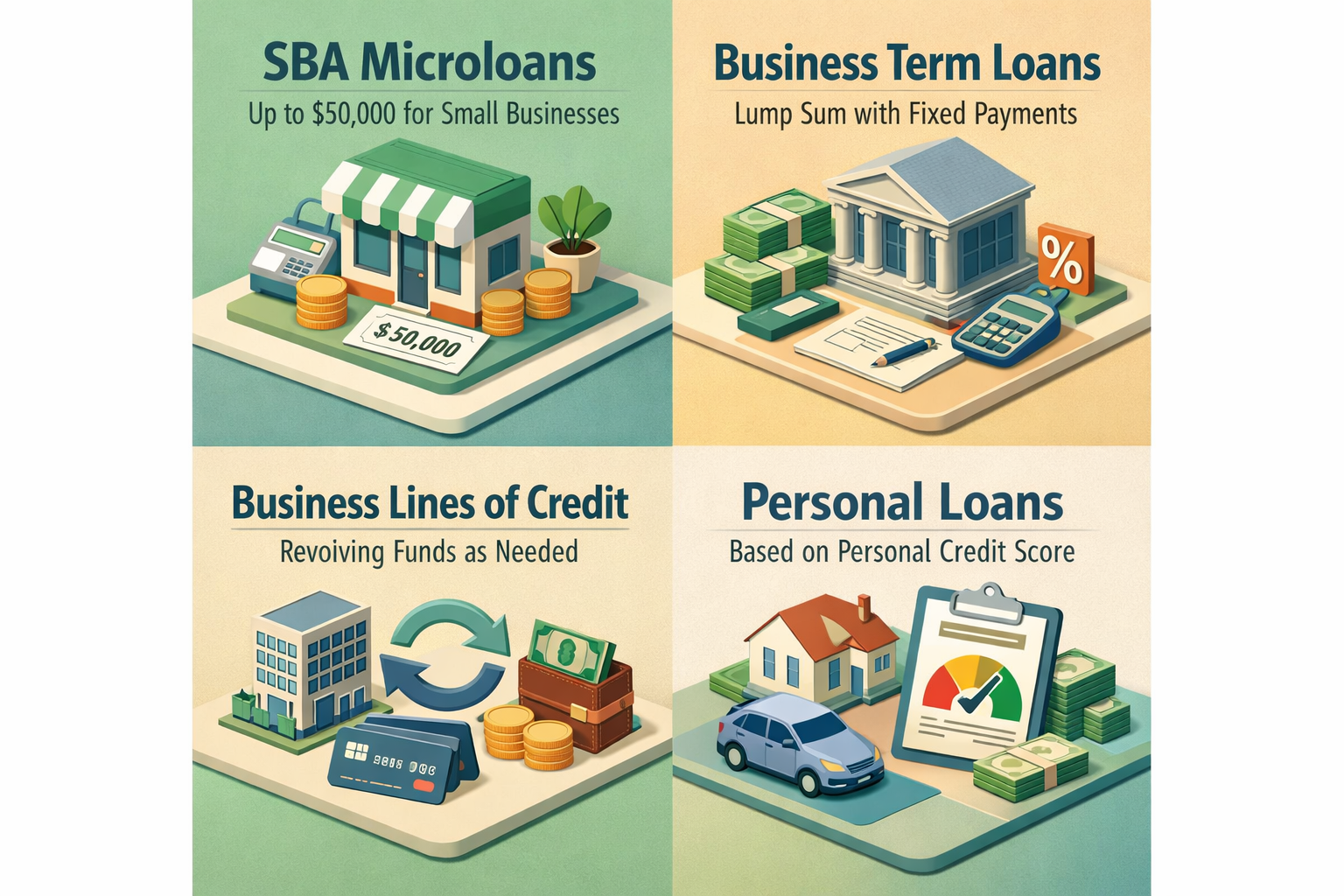
When it comes to business loan options for a freelance writer's home office setup, there isn't a one-size-fits-all solution. The right product depends on your income level, credit profile, how long you've been writing professionally, and what exactly you need to fund. Here's a look at the most relevant options:
SBA Microloans
The U.S. Small Business Administration's Microloan program offers loans typically up to $50,000 through nonprofit intermediary lenders. These are designed specifically for small businesses and startups that may not qualify for conventional bank loans. For a freelance writer looking to invest in a home office — think high-quality monitors, a recording setup for podcast-style content, or a dedicated desk and filing system — an SBA Microloan could be a practical fit. These loans often come with lower interest rates and more flexible qualification criteria than standard term loans.
Business Term Loans
A traditional business term loan provides a lump sum of capital that you repay over a fixed period with regular payments. This could work well if you have a clear sense of what your home office renovation will cost. Term loans may be available through banks, credit unions, or online lenders. Online lenders, in particular, may be more accommodating of freelance income structures and can often process applications more quickly.
Business Lines of Credit
A business line of credit gives you access to a revolving pool of funds that you draw from as needed and repay over time. This can be especially useful for writers whose office needs evolve gradually — maybe you start by upgrading your laptop, then later invest in noise-canceling headphones, a standing desk, or better lighting for video calls. You only pay interest on what you use, which keeps costs manageable.
Personal Loans Used for Business Purposes
While not a traditional business loan, some freelancers use personal loans to fund professional expenses. If your business credit isn't yet established, a personal loan based on your personal credit score and income might be easier to qualify for. Keep in mind, though, that mixing personal and business finances can complicate your tax situation, so it's worth consulting a financial advisor before going this route.
Building the Credit Profile Lenders Want to See
Whether you're pursuing a home office loan as a freelance writer or applying for any type of small business financing, your credit profile plays a significant role in the outcome. Lenders typically look at both your personal credit score and, if applicable, your business credit score.
Here are some steps that may strengthen your application:
- Separate your finances: Open a dedicated business checking account and use it exclusively for writing income and business expenses. This separation makes your cash flow much easier to document.
- Register your business: Even as a sole proprietor, formally registering your business name and obtaining an EIN (Employer Identification Number) can help you begin building a business credit profile.
- Pay bills on time: Your personal credit score is heavily influenced by payment history. Consistent, on-time payments across all accounts signal reliability to lenders.
- Reduce existing debt: Lowering your credit utilization ratio — how much credit you're using compared to your total available credit — can boost your credit score over time.
- Document your income carefully: Keep organized records of invoices, contracts, and bank deposits. Two years of tax returns showing consistent self-employment income can go a long way in a lender's eyes.
If your credit score is lower than you'd like, don't be discouraged. Some lenders specialize in working with newer businesses or self-employed borrowers and may weigh other factors like cash flow and client stability more heavily than your score alone.
What Lenders Typically Evaluate for Freelance Borrowers
Understanding how lenders assess your application can help you prepare a stronger submission. For freelance writers seeking a home office loan, lenders may look at a combination of the following factors:
- Annual revenue: Total income from your writing work, ideally documented through tax returns and bank statements.
- Time in business: Many traditional lenders prefer at least two years of operating history, though some online lenders may accept less.
- Credit score: Both personal and business scores may be reviewed. A score in the mid-600s or higher often improves your chances, though this can vary by lender and product.
- Debt-to-income ratio: Lenders want to see that your existing debt obligations are manageable relative to your income.
- Cash flow consistency: Even if your monthly income varies, showing an overall upward trend or stable average can reassure lenders of your ability to repay.
It may also help to write a brief business plan or summary that explains your writing niche, your current client base, and how the home office investment will support your income-generating activities. While not always required, this kind of context can make your application more compelling.
Tax Advantages That Make Office Investments More Worthwhile
One often-overlooked benefit of setting up a dedicated home office as a freelance writer is the potential for tax deductions. The IRS allows eligible self-employed individuals to deduct certain home office expenses, which could offset a portion of what you spend — and what you borrow to spend.
There are generally two methods for calculating the home office deduction: the simplified method and the regular method. The simplified approach allows a standard deduction per square foot of your workspace, while the regular method involves calculating the actual percentage of your home used exclusively for business. A qualified tax professional can help you determine which approach yields the greater benefit for your situation.
Deductible expenses may include a portion of your rent or mortgage interest, utilities, internet service, office supplies, and the cost of equipment like computers and printers. When you finance these purchases through a business loan, the interest on that loan may also be deductible as a business expense.
These tax advantages don't eliminate the cost of borrowing, but they can meaningfully reduce the net expense of building your home office — making the investment even more financially sound over time.
How to Choose the Right Lender for Your Writing Business
Not every lender is equally suited to working with freelance writers. Some banks have strict income verification requirements that favor traditional employees, while certain online lenders and community development financial institutions (CDFIs) are specifically structured to serve self-employed borrowers and small business owners.
When shopping for a loan, consider the following:
- Flexibility in income documentation: Look for lenders that accept bank statements, 1099 forms, or profit-and-loss statements in addition to or instead of W-2s.
- Loan size and term options: Make sure the lender offers amounts and repayment periods that align with your actual needs and cash flow.
- Interest rates and fees: Compare the annual percentage rate (APR), not just the interest rate, to get a true picture of what the loan will cost.
- Funding speed: If your office needs are time-sensitive — perhaps you're taking on a major client and need a better setup quickly — online lenders may fund faster than traditional banks.
- Reputation and reviews: Research lender reviews and check whether they're accredited with the Better Business Bureau or similar organizations.
Taking the time to compare multiple lenders could save you a meaningful amount in interest and fees over the life of your loan. Many lenders offer prequalification with a soft credit pull, so you can explore your options without impacting your credit score.
●Conclusion
Setting up a professional home office is more than a comfort upgrade — it's a business investment that could directly improve your output, client relationships, and long-term earning potential as a freelance writer. The good news is that business loan options for a freelance writer's home office setup are more accessible than many writers assume. From SBA Microloans to business lines of credit and online term loans, there are products worth exploring even if your income is variable or your business is relatively new.
The most important step is to start with an honest assessment of your financial profile, gather your documentation, and approach lenders with a clear picture of your business and your goals. At LoanWise, we're here to help small business owners and self-employed professionals navigate the lending landscape with confidence. Connect with a LoanWise advisor today to explore which financing options might be the right fit for your home office vision.