
Understanding Business Loan Collateral for Real Estate Investment Success
Securing adequate financing often determines the difference between profitable real estate deals and missed opportunities. Business loan collateral plays a crucial role in this equation, serving as the security that lenders require to approve funding for your investment projects. Whether you're pursuing fix and flip loans, rental property financing, or commercial real estate acquisitions, understanding collateral requirements can significantly impact your borrowing capacity and loan terms.
Smart real estate investors recognize that collateral isn't just about meeting minimum requirements. It's about strategically leveraging your assets to access better rates, higher loan amounts, and more favorable terms that can accelerate your portfolio growth and maximize returns on your investments.
Common Types of Business Loan Collateral
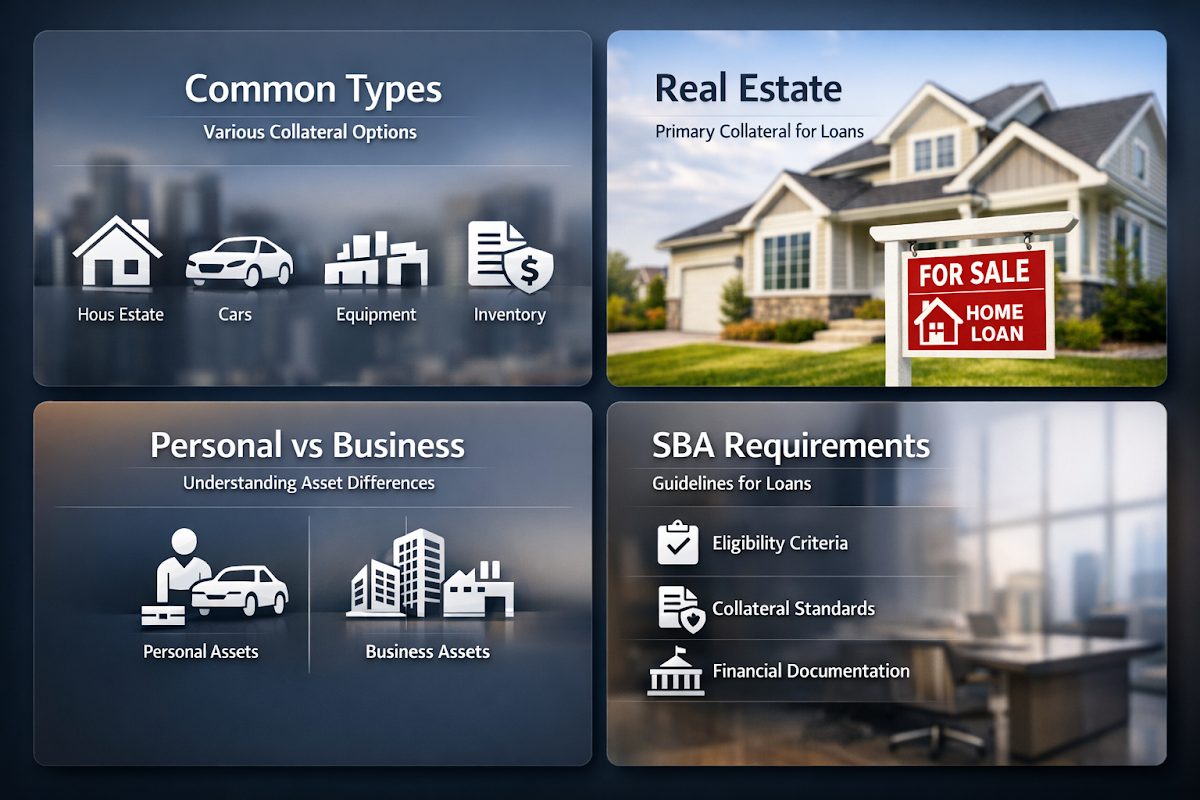
Common types of business loan collateral vary significantly depending on your investment strategy and the specific financing product you're pursuing. Real estate investors typically have access to multiple collateral options that can strengthen their loan applications and improve terms.
- Real Estate Properties: Investment properties, commercial buildings, and land holdings often serve as primary collateral for substantial loan amounts
- Business Equipment: Construction equipment, vehicles, and specialized tools used in property renovation or management operations
- Financial Assets: Business bank accounts, certificates of deposit, and investment portfolios that demonstrate liquidity and financial stability
- Future Cash Flows: Rental income streams from existing properties or projected revenues from completed fix and flip projects
Real Estate as Primary Collateral
Using real estate as collateral represents one of the most powerful tools in an investor's financing arsenal. Properties typically offer substantial value and can secure larger loan amounts compared to other asset types.
- Investment Properties: Existing rental properties can collateralize new acquisitions or refinancing arrangements while maintaining cash flow
- Commercial Real Estate: Office buildings, retail spaces, and mixed-use properties often qualify for higher loan-to-value ratios
- Raw Land: Undeveloped parcels may serve as collateral for construction loans or development financing projects
- Primary Residence: Though riskier, some investors leverage their personal homes to fund initial investment purchases
Personal vs Business Assets as Collateral
The distinction between personal vs business assets as collateral significantly affects your risk exposure and loan structure. Understanding these differences helps investors make informed decisions about asset protection and financing strategies.
- Business Asset Protection: Using business-owned properties and equipment limits personal liability exposure in case of default scenarios
- Personal Guarantees: Many lenders require personal guarantees even when business assets serve as primary collateral
- Credit Implications: Business collateral typically affects business credit profiles, while personal assets impact individual credit scores
- Tax Considerations: Business assets may offer different depreciation and interest deduction opportunities compared to personal property
SBA Loan Collateral Requirements
Collateral requirements for SBA loans follow specific guidelines that real estate investors should understand before applying. These requirements can vary between different SBA loans programs and loan amounts.
- Automatic Liens: SBA typically requires liens on all business assets and may include personal assets for loans over certain thresholds
- Real Estate Preferences: The SBA often prefers real estate collateral due to its stability and easier valuation processes
- Collateral Coverage: Full collateralization isn't always required, but adequate coverage strengthens approval chances and may improve terms
- Appraisal Requirements: Professional appraisals are typically mandatory for real estate collateral exceeding specific value thresholds
Steps to Prepare Collateral Documentation
Proper documentation preparation can expedite your loan approval process and demonstrate professionalism to potential lenders. Following these steps helps ensure your collateral package meets industry standards.
- Obtain Professional Appraisals: Hire certified appraisers to establish current market values for all real estate assets you plan to pledge as collateral
- Compile Title Documentation: Gather clear titles, deeds, and ownership records that demonstrate unencumbered ownership of collateral properties
- Prepare Financial Statements: Create detailed asset schedules that list all potential collateral with current values and outstanding liens
- Document Insurance Coverage: Provide evidence of adequate property insurance and consider additional coverage requirements lenders may mandate
- Organize Legal Records: Assemble partnership agreements, corporate documents, and other legal papers that establish your authority to pledge business assets
Strategies to Maximize Collateral Value
Smart investors employ various strategies to maximize their collateral value and improve their borrowing capacity. These approaches can lead to better loan terms and higher approval rates.
- Property Improvements: Strategic renovations and improvements can increase property values before using them as collateral for additional financing
- Portfolio Diversification: Maintaining diverse property types and locations can reduce lender concerns about concentrated risk exposure
- Equity Optimization: Pay down existing mortgages strategically to increase available equity for collateral purposes
- Market Timing: Consider market conditions and property appreciation cycles when determining optimal times to leverage specific assets
- Professional Relationships: Maintain relationships with appraisers, attorneys, and other professionals who can expedite collateral documentation processes
Moving Forward with Confidence
Understanding business loan collateral requirements positions you to make informed financing decisions that support your real estate investment goals. The key lies in matching appropriate collateral types to specific loan products while maintaining adequate asset protection and maximizing your borrowing capacity for future opportunities.
●Conclusion
Mastering business loan collateral strategies can dramatically improve your access to investment capital and loan terms. By understanding the various types of acceptable collateral, preparing thorough documentation, and strategically leveraging your assets, you position yourself for continued success in competitive real estate markets. Remember that collateral requirements can vary significantly between lenders and loan programs, so working with experienced mortgage professionals who understand investor needs can help you navigate these complexities and secure optimal financing for your portfolio growth.