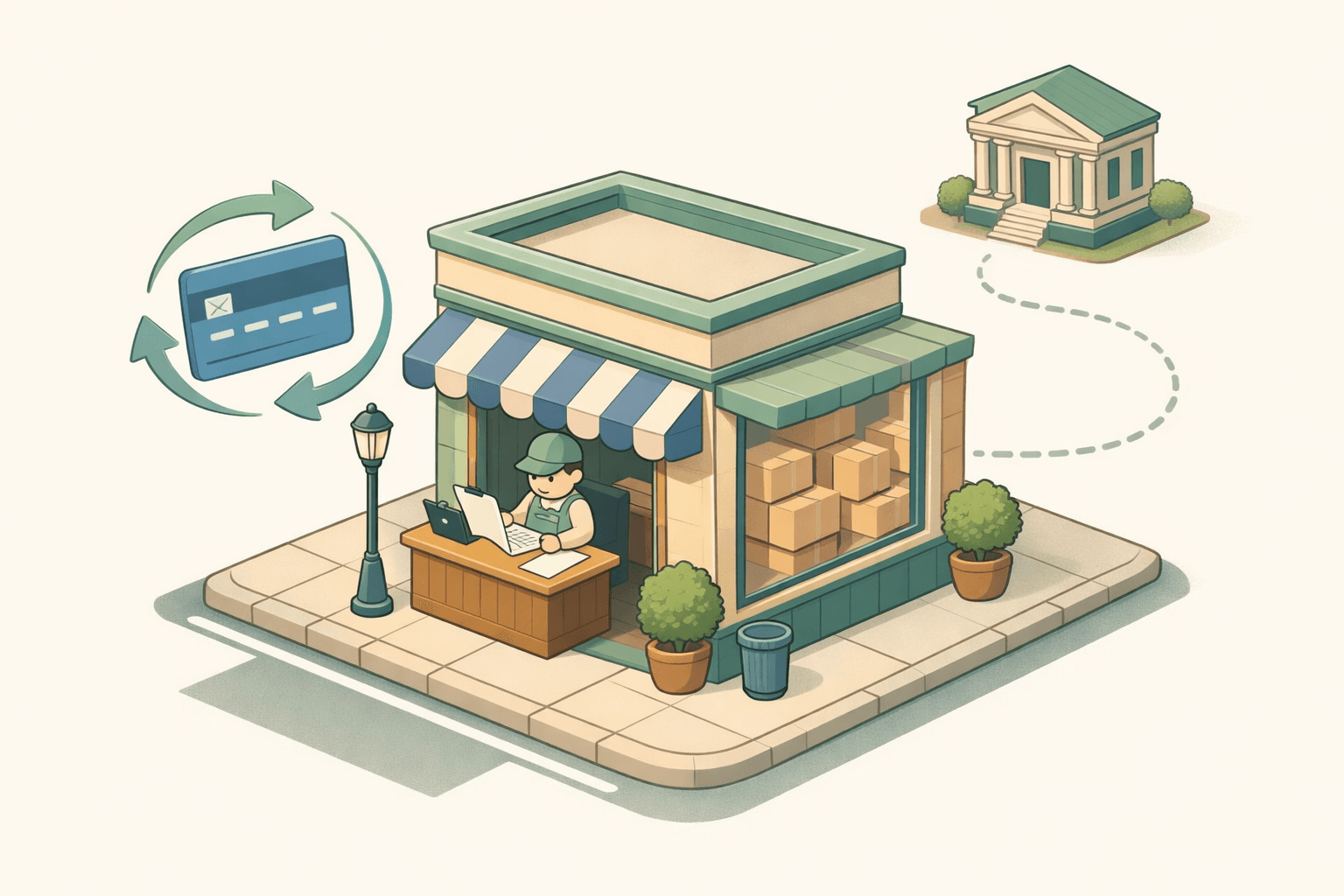
Running a small business means managing unpredictable cash flow, unexpected expenses, and growth opportunities that don't always arrive on a convenient schedule. That's where a business line of credit can be a powerful tool. Unlike a traditional term loan that delivers a lump sum, a business line of credit gives entrepreneurs flexible, revolving access to funds they can draw on when needed and repay over time. Whether you're covering a short-term cash gap, purchasing inventory, or bridging a slow season, this type of financing may offer the breathing room your business needs to keep moving forward.
What Is a Business Line of Credit and How Does It Work?
A business line of credit is a flexible financing arrangement between a lender and a borrower that establishes a maximum credit limit. Business owners can draw funds up to that limit, repay what they've used, and draw again — similar to how a personal credit card works, but typically with higher limits and terms better suited to commercial needs.
Here's a simple example: if your business is approved for a $75,000 line of credit and you draw $20,000 to cover payroll during a slow quarter, you'll only pay interest on that $20,000. Once you repay it, that $20,000 becomes available to use again. This revolving structure is one of the biggest advantages over a standard term loan.
There are two primary types to be aware of:
- Secured lines of credit: Backed by business assets such as inventory, equipment, or accounts receivable. These may offer lower interest rates because the lender has collateral to reduce their risk.
- Unsecured lines of credit: Not tied to specific collateral. These might carry higher interest rates but could be more accessible for businesses that don't have significant assets to pledge.
Repayment terms can vary widely by lender, so it's important to review the draw period, repayment schedule, and any fees before committing.
Common Ways Entrepreneurs Use a Business Line of Credit
One of the reasons a business line of credit is so popular among small business owners is its versatility. Unlike some loan products that restrict how funds are spent, a line of credit typically allows borrowers to use funds for a wide range of business purposes.
Some of the most common uses include:
- Managing cash flow gaps: Seasonal businesses or those with long invoice cycles often experience periods where expenses outpace incoming revenue. A line of credit can help bridge that gap without disrupting daily operations.
- Purchasing inventory: Retailers and wholesalers may need to stock up ahead of a busy season. Drawing on a credit line allows them to buy inventory now and repay once sales come in.
- Covering unexpected expenses: Equipment repairs, emergency staffing needs, or sudden overhead increases can strain a business budget. Having an accessible credit line may prevent these surprises from becoming crises.
- Funding short-term growth: When an opportunity arises — a new contract, a bulk purchase discount, or a marketing push — having funds readily available can make the difference between seizing the moment or missing it.
It's worth noting that a business line of credit is generally not the best fit for large capital expenditures like purchasing commercial real estate or heavy equipment. For those needs, products like SBA 504 loans or term loans may be more appropriate.
Qualification Requirements Lenders Typically Look For
Before applying for a business line of credit, it helps to understand what lenders are generally looking for. While requirements vary by lender and loan type, several common factors tend to influence approval decisions.
Business Credit Score and Personal Credit History
Many lenders will review both your business credit profile and your personal credit score, especially for smaller or newer businesses. A stronger credit history may help you access higher limits and more favorable interest rates. If your credit score needs improvement, taking steps to reduce existing debt and pay bills on time could strengthen your application over time.
Time in Business
Most traditional lenders prefer businesses that have been operating for at least one to two years. Some online lenders may work with newer businesses, though they might charge higher rates to offset the added risk. Startups with limited operating history may find it more challenging to qualify for larger credit lines through conventional channels.
Annual Revenue and Cash Flow
Lenders want to see that your business generates enough revenue to repay what you borrow. They'll typically review bank statements, tax returns, and financial statements to assess your cash flow stability. Businesses with consistent, documented revenue streams are often viewed more favorably.
Debt-to-Income and Existing Obligations
If your business is already carrying significant debt, lenders may be cautious about extending additional credit. Keeping your overall debt obligations manageable relative to your income can improve your chances of approval.
Secured vs. Unsecured Options: Weighing the Trade-Offs
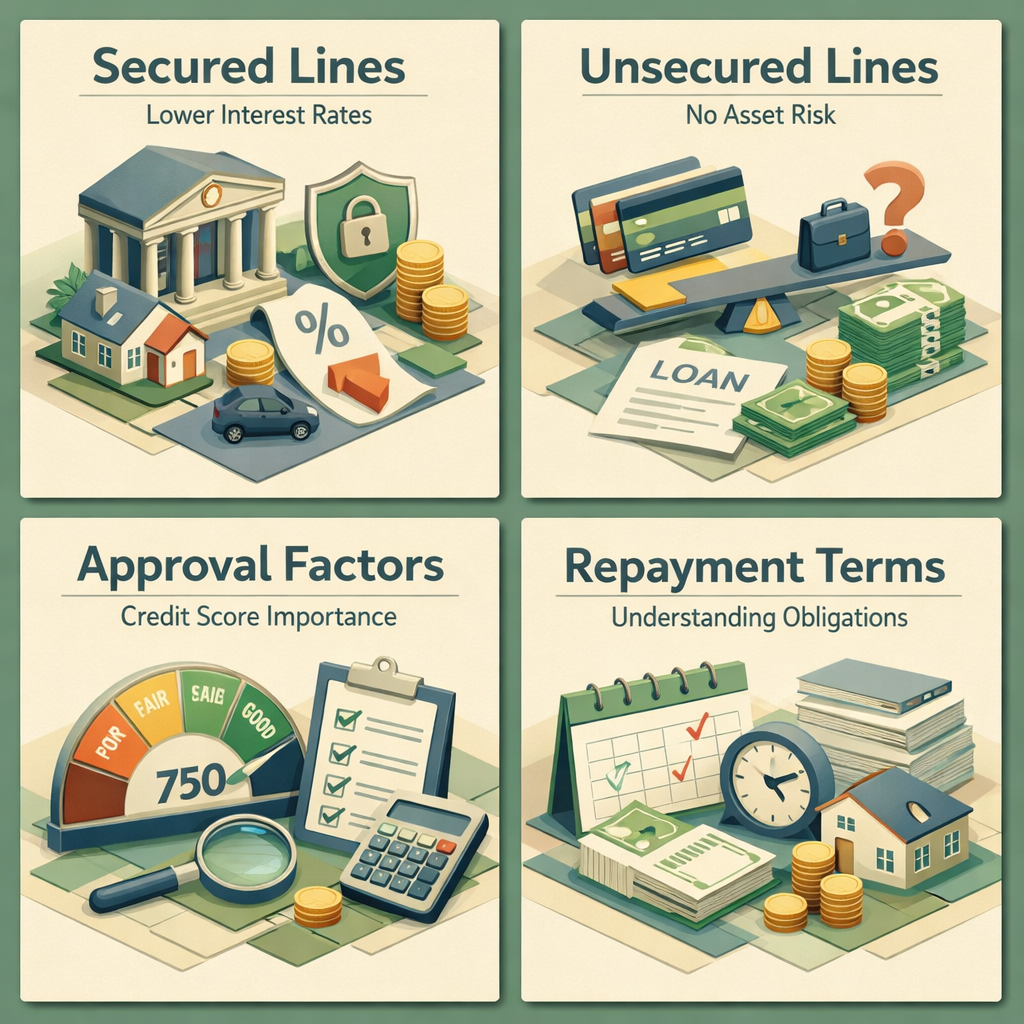
Choosing between a secured and unsecured business line of credit involves weighing the benefits of lower costs against the risks of pledging assets. Neither option is universally better — it depends on your business's financial profile and risk tolerance.
Secured lines of credit may offer:
- Lower interest rates due to reduced lender risk
- Higher credit limits for businesses with valuable assets
- Potentially easier approval for businesses with limited credit history but strong collateral
However, the trade-off is that if your business struggles to repay, the lender could claim the pledged assets. This could include equipment, inventory, or even accounts receivable depending on the agreement.
Unsecured lines of credit may offer:
- No risk to specific business assets
- Faster approval processes in some cases
- Accessibility for businesses that lack substantial collateral
The downside is that unsecured credit lines often come with higher interest rates and stricter credit requirements, since the lender is taking on more risk without a safety net.
It's also worth noting that many lenders require a personal guarantee for small business credit lines, particularly for newer or smaller businesses. This means you, as the business owner, may be personally liable if the business can't repay the debt. Understanding this obligation before signing is critical.
Bank, Credit Union, or Online Lender: Choosing the Right Source
Small business owners today have more options than ever when it comes to sourcing a business line of credit. Each type of lender has its own strengths, and the right choice depends on your business's needs, timeline, and financial profile.
Traditional Banks
Traditional banks often offer competitive interest rates and higher credit limits for established businesses with strong credit histories. However, the application process can be more involved, requiring extensive documentation and longer approval timelines. If your business has a solid financial track record and you're not in a hurry, a bank line of credit may offer the best long-term value.
Credit Unions
Credit unions are member-owned financial institutions that sometimes offer favorable terms to small business members. They may be more flexible with qualification criteria than large commercial banks, and they tend to prioritize relationship-based lending. If you're already a member of a credit union, it's worth exploring what business credit products they offer.
Online Lenders
Online and fintech lenders have made business credit lines more accessible, particularly for newer businesses or those with less-than-perfect credit. These lenders often have faster application and funding processes, sometimes approving and disbursing funds within days. The trade-off is that interest rates are typically higher, and terms may be less favorable than traditional options.
Regardless of which lender you choose, it's important to compare annual percentage rates (APRs), fees, draw limits, repayment terms, and any penalties for early repayment or inactivity before making a decision.
Tips for Using Your Credit Line Responsibly and Strategically
Having access to a business line of credit is only valuable if it's used wisely. Mismanaging a revolving credit facility can lead to mounting interest costs, credit score damage, and financial strain. Here are some practical strategies to help you get the most out of your credit line while minimizing risk.
- Use it for short-term needs, not long-term debt: A credit line is best suited for temporary cash flow needs, not ongoing operational deficits. If you find yourself consistently maxing it out to cover basic expenses, it may signal a deeper cash flow issue worth addressing.
- Repay promptly to reduce interest costs: Since interest accrues on the outstanding balance, repaying what you've drawn as quickly as your cash flow allows will reduce the total cost of borrowing.
- Avoid drawing the full limit unless necessary: Keeping utilization low not only reduces interest costs but may also positively influence your business credit profile, similar to how personal credit utilization affects personal credit scores.
- Review your credit line terms periodically: As your business grows and your credit profile improves, you may be eligible for better terms or a higher limit. It's worth checking in with your lender periodically to explore whether renegotiation makes sense.
- Keep emergency reserves separate: Don't rely solely on your credit line as your emergency fund. Maintaining some liquid cash reserves alongside your line of credit provides an extra layer of financial security.
●Conclusion
A business line of credit can be one of the most versatile and valuable financing tools available to small business owners and entrepreneurs. Its flexibility, revolving structure, and wide range of eligible uses make it well-suited for managing the unpredictable rhythms of running a business. That said, like any form of credit, it works best when used with a clear strategy and disciplined repayment habits. Whether you're evaluating your first line of credit or looking to upgrade your existing facility, taking time to compare lenders, understand the terms, and align the product with your business goals can make a meaningful difference. If you're ready to explore your options, speaking with a knowledgeable lending advisor can help you find the right fit for your unique business needs.