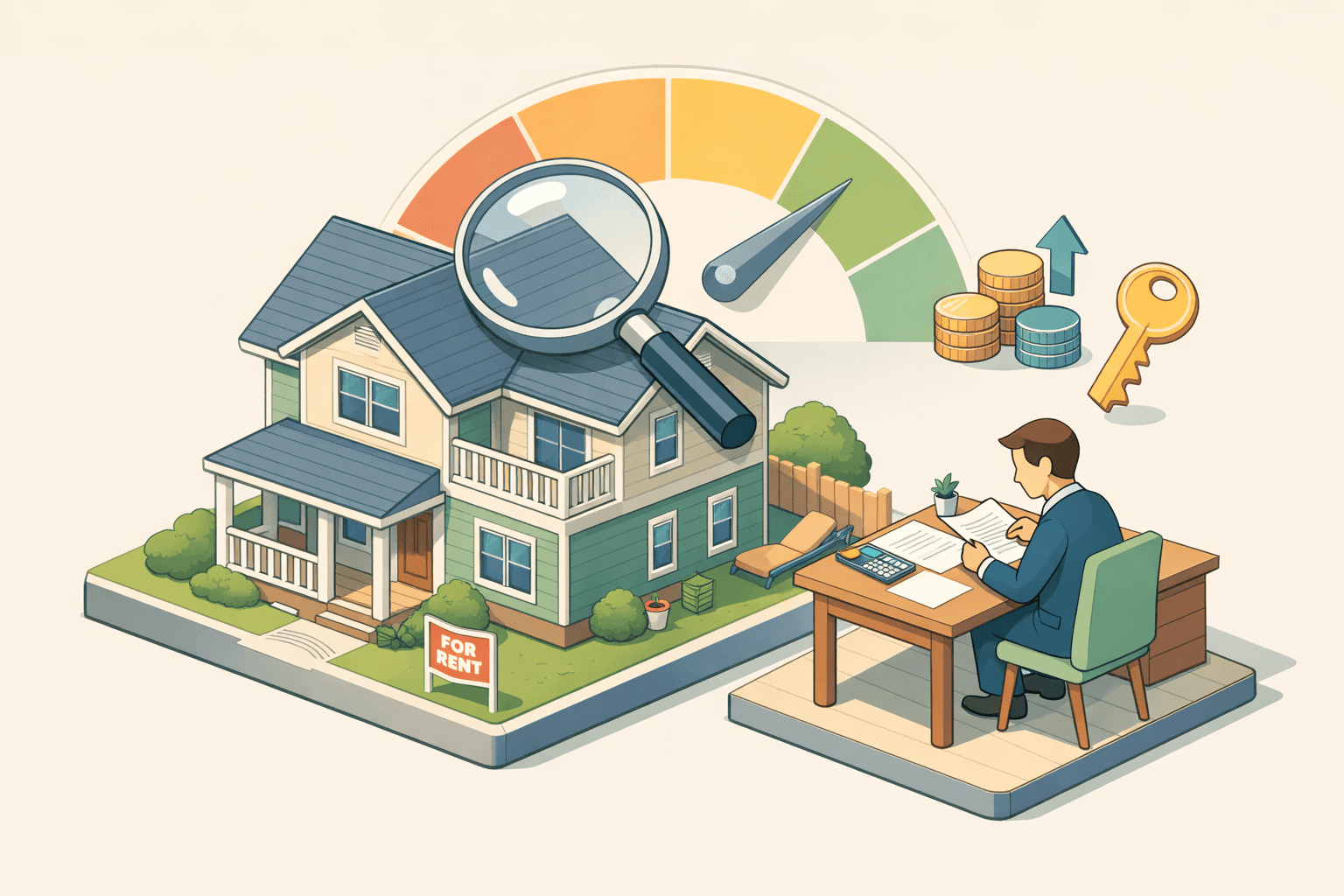
Real estate investors are always looking for smart ways to put their equity to work. If you own a rental property that has appreciated in value, you may have heard about using a home equity line of credit — commonly called a HELOC — to access that built-up equity. But before you apply, it's important to understand exactly what are requirements for HELOC on investment property, because lenders treat these applications quite differently from a standard primary residence HELOC. The rules are stricter, the costs can be higher, and not every lender even offers this product. The good news is that with the right preparation, qualifying is absolutely achievable. This guide breaks down every major requirement so you can walk into the process with confidence.
What Is a HELOC on an Investment Property?
A HELOC is a revolving line of credit secured by the equity in a property. Think of it like a credit card, but the credit limit is backed by real estate. During the draw period — typically five to ten years — you can borrow, repay, and borrow again up to your approved limit. After the draw period ends, you enter the repayment phase and begin paying down the principal along with interest.
When the property securing a HELOC is an investment property — meaning a home you rent out rather than live in — lenders view the loan as higher risk. A borrower facing financial hardship is statistically more likely to prioritize payments on their primary residence over a rental property. Because of this perceived risk, lenders impose tighter standards across the board. Understanding these distinctions is the first step toward a successful application for HELOC for rental property financing.
It's also worth noting that not all lenders offer HELOCs on non-owner-occupied properties. Before spending time gathering documents, confirm that your lender or mortgage broker has this product available for investment properties specifically.
Equity and Loan-to-Value Requirements
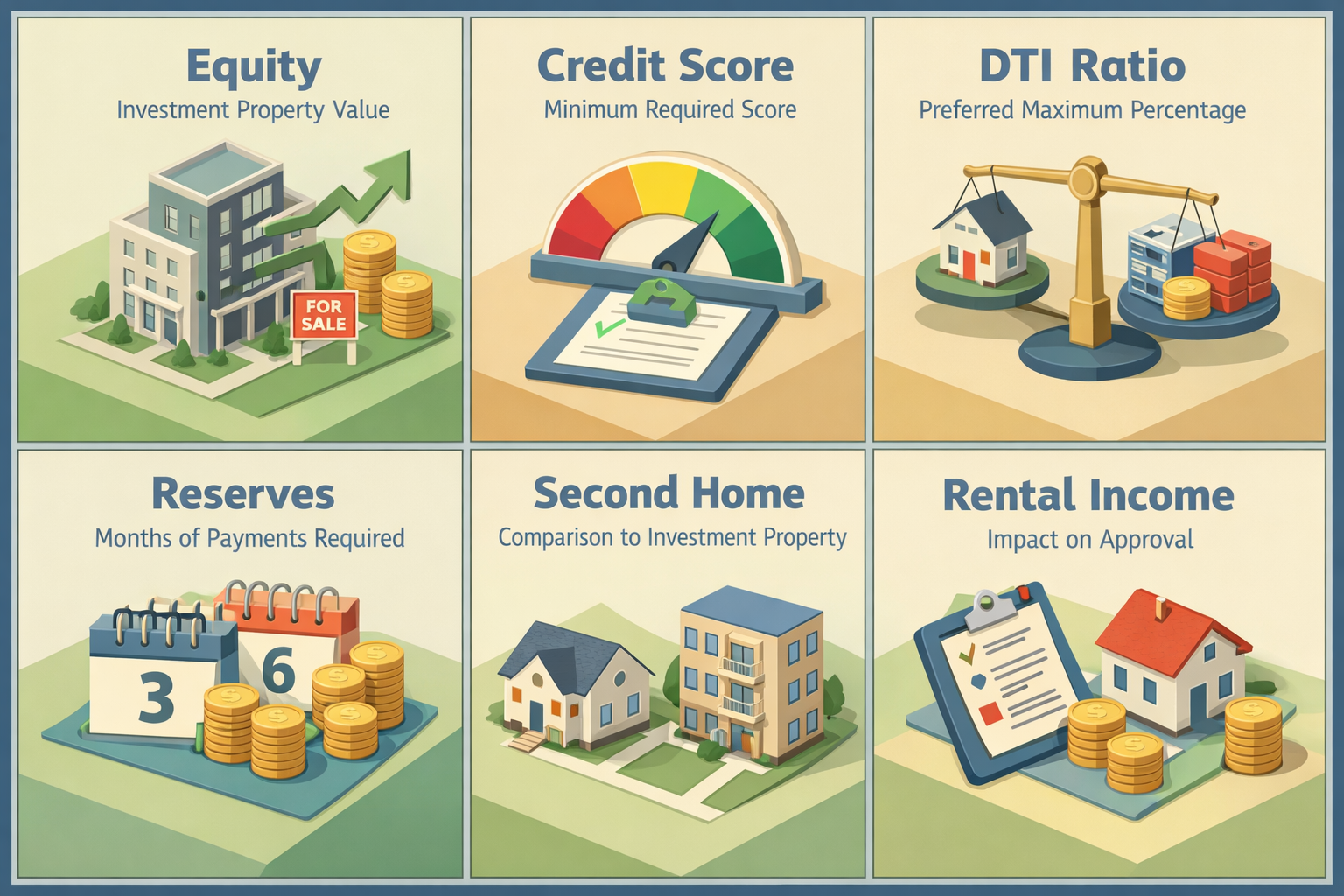
One of the most important factors in any HELOC application is how much equity you hold in the property. For a primary residence, many lenders allow borrowers to access equity up to a combined loan-to-value (CLTV) ratio of around 85 to 90 percent. For an investment property equity line of credit, lenders typically require you to retain significantly more equity in the home.
Most lenders who offer this product may cap the CLTV at around 70 to 75 percent for investment properties. This means if your rental property is valued at $400,000 and you still owe $200,000 on the first mortgage, your outstanding balance represents a 50 percent LTV. In that scenario, you might qualify to draw up to $100,000 or so — keeping the total debt at or below the lender's CLTV threshold. However, exact limits can vary by lender, so it's worth shopping around.
To determine how much equity you have available, lenders will typically order a formal appraisal of the investment property. The appraised value, not what you paid for it or what you believe it's worth, is what lenders use in their calculations. A strong appraisal can meaningfully improve your borrowing power.
Credit Score Standards for Investment Property HELOCs
Your credit score plays a major role in whether you'll be approved and at what interest rate. For a primary residence HELOC, many lenders look for a minimum score in the mid-600s. For an investment property, the bar is often set considerably higher. Many lenders may require a credit score of at least 680 to 720, and some may prefer scores of 740 or above to offer the most competitive terms.
A higher credit score signals to lenders that you manage debt responsibly, which is especially important when the collateral is a property you don't occupy. If your score is on the lower end of the qualifying range, you may still find lenders willing to work with you, but expect higher interest rates or stricter terms as a trade-off.
If your credit score needs improvement before applying, consider paying down revolving balances, addressing any derogatory marks, and avoiding new hard inquiries in the months leading up to your application. Even a modest improvement in your score could lead to meaningfully better loan terms.
Debt-to-Income Ratio and Cash Flow Considerations
Lenders will closely examine your debt-to-income (DTI) ratio when evaluating your HELOC application. Your DTI is calculated by dividing your total monthly debt obligations by your gross monthly income. For investment property HELOCs, lenders typically prefer a DTI of 43 percent or lower, though some may allow slightly higher ratios depending on other compensating factors like strong reserves or excellent credit.
One of the more nuanced parts of qualifying involves using rental income for HELOC approval. Many lenders will allow you to count rental income from the subject property and other investment properties to help offset your debt obligations. However, they often apply a vacancy or expense factor — commonly discounting the gross rental income by 25 percent — to account for periods of vacancy, maintenance costs, and property management fees. This means if your rental property generates $2,000 per month in rent, a lender might only count $1,500 toward your qualifying income.
Some lenders may require a history of rental income, often documented through tax returns and Schedule E forms, to verify that the income is stable and consistent. If you're new to renting the property, qualifying on rental income alone may be more difficult, and you may need to rely more heavily on your personal employment or business income.
Reserves and Financial Stability Requirements
Beyond income and credit, lenders want to see that you have sufficient financial reserves. Reserves are liquid assets — like savings, checking accounts, or retirement funds — that you could draw on to continue making loan payments if your rental income were interrupted. For investment property HELOCs, lenders often require more substantial reserves than they would for a primary residence loan.
A common requirement might be six to twelve months of mortgage payments (including the HELOC payment) held in reserve for the investment property, and in some cases, reserves may be required for your primary residence as well. This requirement reflects lenders' caution about the rental property's equity income dependency and the potential for vacancy periods.
Having strong reserves not only helps you qualify but can also give you negotiating leverage for better rates or terms. Lenders see well-reserved borrowers as lower-risk clients, which can translate into more favorable loan conditions.
Second Home HELOC Requirements vs. Investment Property Rules
It's helpful to distinguish between second home HELOC requirements and those that apply to true investment properties, because lenders treat them differently. A second home is generally a property you occupy for part of the year — like a vacation home — but do not rent out on a consistent basis. An investment property is one that generates rental income and is not used as a personal residence.
Second homes often fall somewhere between primary residences and investment properties in terms of lender requirements. They may qualify for slightly higher CLTV ratios and somewhat lower credit score minimums compared to full investment properties, because the personal use element reduces the lender's perceived risk. If you're renting out your second home for a significant portion of the year, some lenders may reclassify it as an investment property for underwriting purposes, which would subject it to the stricter standards outlined throughout this article.
Be transparent with your lender about how you use the property. Misrepresenting an investment property as a second home — even unintentionally — could lead to complications during underwriting or potential issues down the line. Accurate property classification leads to a smoother loan process for everyone involved.
●Conclusion
Understanding what are requirements for HELOC on investment property is essential before you begin the application process. From maintaining sufficient equity and a strong credit score to documenting rental income and holding adequate reserves, each requirement is designed to reflect the added risk lenders take on with non-owner-occupied properties. The good news is that with careful preparation — reviewing your credit, organizing income documentation, and confirming your property's equity position — you can approach the process strategically and improve your chances of approval.
At LoanWise, we work with real estate investors to explore financing options that match their goals. Whether you're looking to fund a renovation, consolidate debt, or expand your portfolio, our lending specialists can help you navigate the HELOC landscape for investment properties. Reach out to a LoanWise advisor today to discuss your options and take the next step toward putting your equity to work.