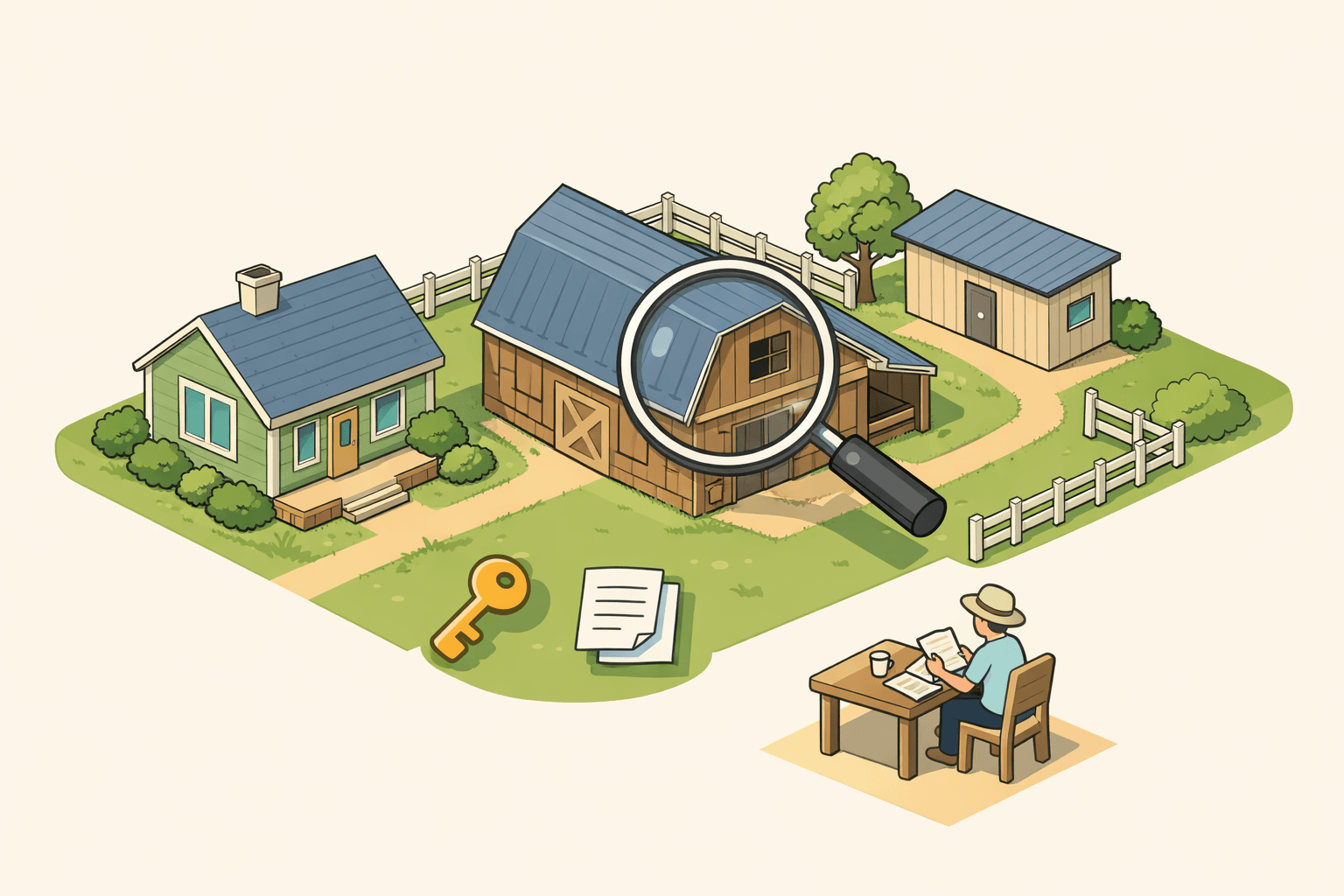
Purchasing a rural property that includes a barn, storage shed, or other farm outbuildings is an exciting opportunity — especially if you're hoping to use a USDA loan to finance it. USDA loans are well known for their zero-down-payment benefit and competitive interest rates, making them a popular choice for buyers in eligible rural and suburban areas. But before you close the deal, it's important to understand what are closing costs for USDA loan on property with existing barn and storage, and how those structures might influence the overall financing process. From lender fees to appraisal nuances, there's quite a bit to unpack — and being prepared could save you a meaningful amount of money at the closing table.
How USDA Loans Work for Rural Properties
The USDA loan Single Family Housing Guaranteed Loan Program is designed to help low-to-moderate income borrowers purchase homes in eligible rural areas. It's backed by the U.S. Department of Agriculture and offered through approved private lenders. One of the program's most attractive features is that it requires no down payment, which makes homeownership far more accessible for buyers who might struggle to save a large lump sum.
However, "rural" doesn't necessarily mean farmland. USDA loans are primarily intended for residential use — meaning the property must function as the buyer's primary residence. When a property includes agricultural structures like a barn or storage building, lenders and the USDA itself will take a closer look to determine whether the home still qualifies under the program's guidelines.
The key consideration is whether the property is primarily residential or primarily agricultural in nature. If the barn or storage building appears to be used — or intended for use — in a commercial farming operation, the property may not qualify for a USDA guaranteed loan. That said, small outbuildings that serve a hobby or personal use purpose are often acceptable, though this can vary depending on the lender and appraiser's assessment.
- Eligible properties typically include modest rural homes with small outbuildings for personal use.
- Ineligible properties may include large working farms or income-producing agricultural operations.
- The appraiser will typically assign value only to the residential portion of the property.
What Are Closing Costs for USDA Loan on Property with Existing Barn and Storage
Understanding what are closing costs for USDA loan on property with existing barn and storage starts with recognizing that most of the standard closing cost categories apply — but there are a few important nuances tied to rural and agricultural properties that could affect the total amount you pay.
Generally speaking, USDA loan closing costs tend to fall somewhere between 2% and 5% of the total loan amount, though the exact figure depends on the lender, the location, and the specifics of the transaction. For a property with outbuildings, certain line items may be higher than average due to the added complexity of appraising and inspecting a site with multiple structures.
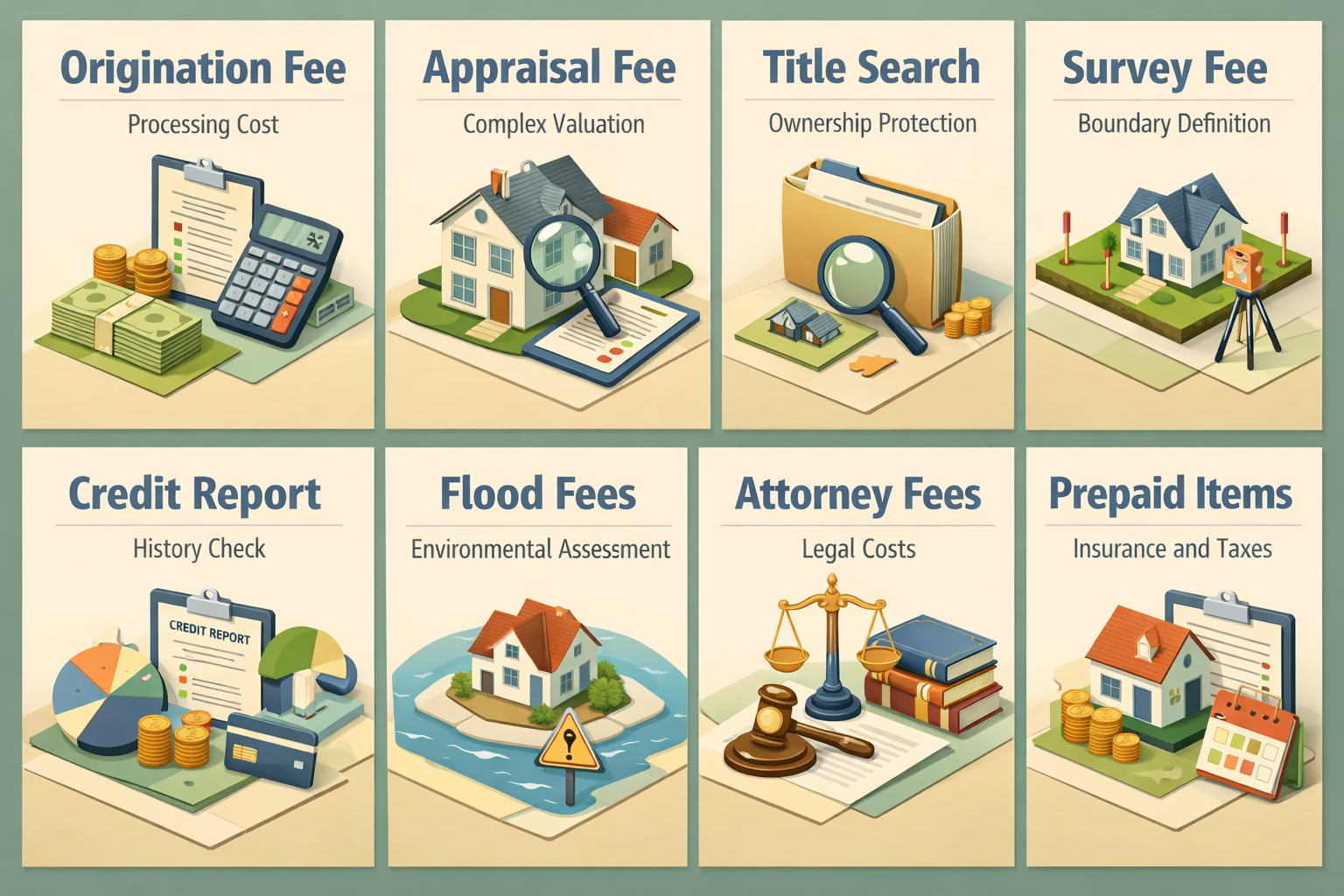
Here's a breakdown of the most common closing cost components you're likely to encounter:
- Origination fee: Charged by the lender to process the loan. This is typically around 1% of the loan amount, though it can vary.
- Appraisal fee: For properties with a barn or storage structure, the appraisal may cost more than a standard home appraisal due to the additional square footage and complexity involved in valuing rural outbuildings.
- Title search and title insurance: These fees protect both the lender and the buyer from potential ownership disputes. Rural properties with multiple structures may have more complex title histories.
- Survey fee: A land survey is often required for rural properties to clearly define boundaries, especially when outbuildings are present near property lines.
- Credit report fee: A relatively small charge to pull your credit history.
- Flood determination and environmental fees: More common with rural properties that include agricultural structures.
- Attorney or closing agent fees: Varies by state and transaction complexity.
- Prepaid items: These include homeowners insurance premiums, prepaid interest, and property tax escrow deposits.
It's worth noting that USDA loans include a guarantee fee, which functions similarly to mortgage insurance on other government-backed loans. There's an upfront guarantee fee (currently set by the USDA and subject to change) that can typically be financed into the loan, as well as an annual fee paid monthly. These fees are not traditional closing costs, but they do affect your overall loan costs.
How Barns and Storage Buildings Affect the Appraisal Process
The appraisal is one of the most critical steps in any USDA loan transaction — and it becomes even more important when the property includes a barn or storage building. USDA appraisals must follow specific guidelines set by the agency, and appraisers are required to evaluate whether the property meets minimum standards for safety, sanitation, and structural soundness.
When it comes to outbuildings, the appraiser's job is to determine what value, if any, to assign to those structures. In many cases, a barn or storage shed may add some contributory value to the overall appraisal — but it won't always be valued at full replacement cost. The appraiser will compare the property to similar rural homes in the area, which can sometimes be a challenge if comparable sales with barns are limited.
Here's how outbuildings can influence the appraisal and, by extension, your closing costs:
- A more complex appraisal may result in a higher appraisal fee, which the buyer typically pays out of pocket.
- If the barn is in poor condition, the appraiser may flag it as a repair requirement before the loan can close, adding to your upfront expenses.
- Properties with commercial-looking agricultural setups may receive scrutiny about whether the property is primarily residential, which could delay the process or require additional documentation.
It's always a good idea to work with a lender experienced in USDA loan closing costs farm property transactions, as they'll be better equipped to anticipate these appraisal challenges and help you navigate them efficiently.
USDA Loan Closing Costs Farm Property — What's Negotiable
One of the best-kept secrets about closing costs is that many of them are negotiable. Whether you're buying a suburban starter home or a rural property with agricultural outbuildings, there are several legitimate strategies to reduce what you pay at closing on a USDA loan.
Seller Concessions
USDA loan guidelines allow sellers to contribute toward the buyer's closing costs, up to a certain percentage of the purchase price. This is often referred to as a seller concession or seller credit. In a buyer-friendly market, sellers may be willing to cover a portion of your closing costs in exchange for a quicker or more straightforward transaction. This can be especially helpful on rural properties where motivated sellers may have fewer qualified buyers.
Lender Credits
Some lenders offer credits toward closing costs in exchange for a slightly higher interest rate. This is known as a lender credit. It can reduce your upfront expenses, though it does mean you'll pay a bit more over the life of the loan. Whether this trade-off makes sense depends on how long you plan to stay in the home.
Rolling Costs Into the Loan
USDA loans offer a unique benefit: if the appraised value of the property is higher than the purchase price, you may be able to roll some or all of your closing costs into the loan amount. This effectively reduces your out-of-pocket expense at closing, though it does increase your total loan balance and monthly payment.
Shopping for Third-Party Services
Certain closing cost line items — such as the title company, survey company, and homeowners insurance provider — can be shopped independently. Comparing quotes from multiple providers could result in meaningful savings, particularly for rural properties where service costs can vary widely.
Income and Eligibility Requirements That Affect Your Loan Approval
Before worrying too much about closing costs, it's important to confirm that you and the property actually qualify for a USDA loan. The program has specific income limits tied to your household size and geographic area. These limits are set by the USDA and updated periodically, so it's important to verify current figures with an approved lender rather than relying on outdated information.
From a property standpoint, the home must be located in a USDA-designated eligible area, which you can verify using the USDA's online eligibility map. The property also needs to be in good condition and serve as your primary residence. When a barn or storage building is part of the purchase, additional scrutiny may apply to ensure the property isn't classified as an income-producing agricultural operation.
Key eligibility factors to keep in mind include:
- Household income limits: Must fall within USDA-defined thresholds for your county and household size.
- Credit score: Most lenders look for a minimum score of 640 for streamlined processing, though exceptions may exist.
- Debt-to-income ratio: Generally, your total monthly debts should not exceed a certain percentage of your gross monthly income.
- Property eligibility: The home and land must meet USDA standards, including any outbuildings being evaluated as non-commercial.
Getting pre-qualified early in the process — especially for a property with farm structures — can help you identify potential hurdles before you're deep into a purchase agreement.
Tips for Budgeting Closing Costs on a USDA Loan with Farm Structures
Budgeting wisely for a USDA loan on a rural property with outbuildings requires a bit more planning than a straightforward home purchase. Here are some practical tips to help you estimate and manage your closing costs effectively:
- Request a Loan Estimate early: Once you apply for a USDA loan, your lender is required to provide a Loan Estimate within three business days. Review it carefully and ask questions about any fees you don't understand.
- Ask your lender about rural-specific fees: Some fees — like environmental assessments or well and septic inspections — are more common on rural properties. These aren't always included in initial estimates, so ask upfront.
- Inspect outbuildings before applying: If the barn or storage building is in disrepair, having it inspected before you begin the loan process can help you anticipate any USDA-required repairs that might affect your timeline or budget.
- Work with a USDA-experienced lender: Not all lenders handle rural and agricultural property nuances equally well. Choosing a lender familiar with USDA loan closing costs farm property scenarios can help you avoid surprises.
- Factor in prepaid costs: Don't forget that prepaid items like homeowners insurance, property taxes, and mortgage interest are typically due at closing and can add up quickly.
- Review the Closing Disclosure: You should receive this document at least three business days before closing. Compare it carefully to your Loan Estimate to catch any unexpected changes.
●Conclusion
Knowing what are closing costs for USDA loan on property with existing barn and storage can make a significant difference in how well-prepared you are when it's time to close. From appraisal fees influenced by outbuilding complexity to survey costs and seller concessions, there are many moving parts to consider. The good news is that USDA loans remain one of the most borrower-friendly financing options available for rural homebuyers — and with the right lender and a solid understanding of the costs involved, purchasing a property with a barn or storage building is absolutely achievable. Take the time to work with an experienced USDA lender, ask the right questions early, and budget carefully so your path to rural homeownership is as smooth as possible. Ready to explore your options? Connect with a LoanWise lending specialist today to get started on your USDA loan journey.