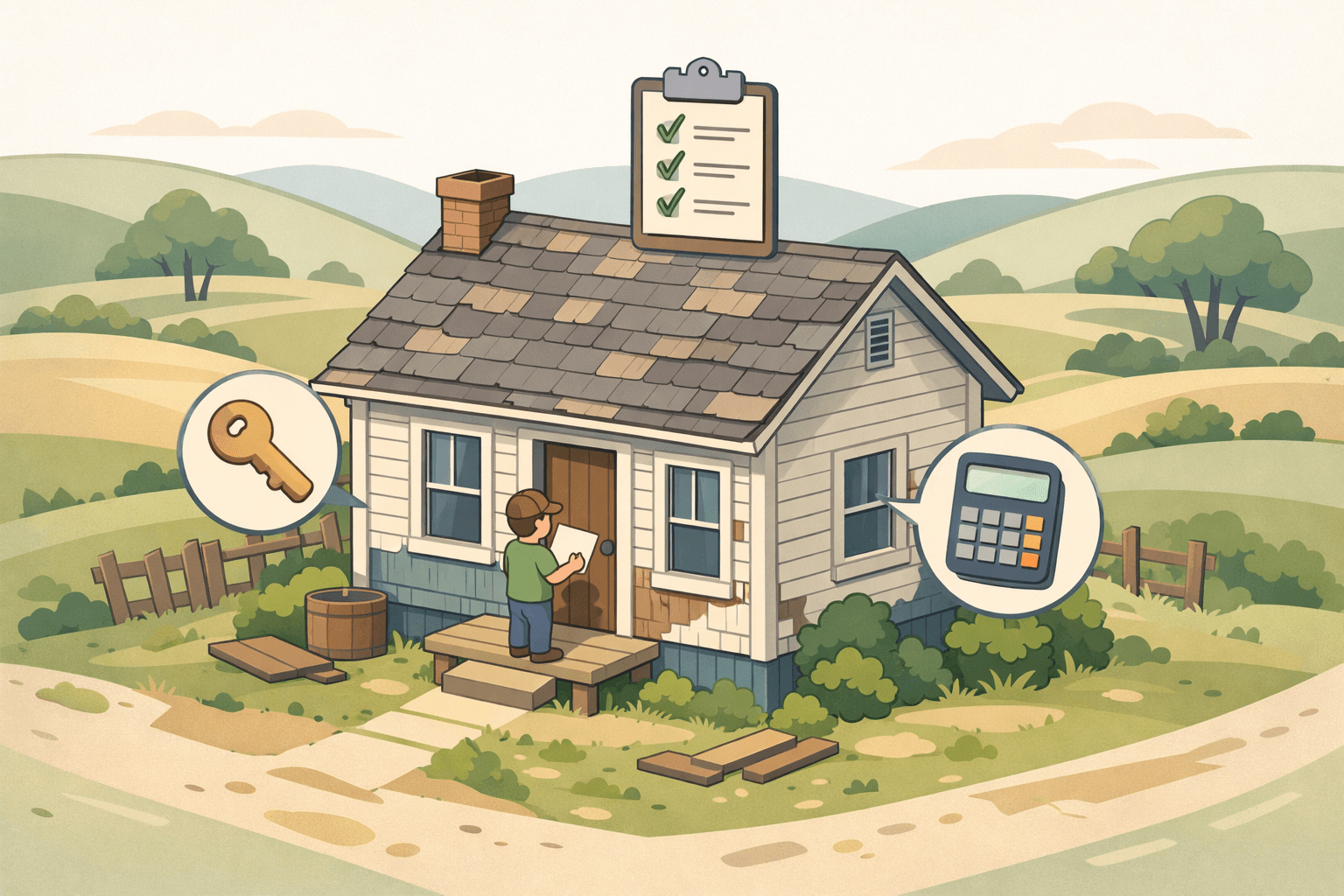
Buying a fixer upper in a rural area can be one of the smartest moves a homebuyer makes — especially when a USDA loan is in the picture. These government-backed loans offer low or even zero down payment options, making homeownership more accessible for eligible buyers. But before you get the keys, there's one important question to answer: what are closing costs for USDA loan on fixer upper purchases, and how much should you budget for them? Understanding the full picture of fees, lender charges, and government-required costs can help you walk into closing day prepared and confident.
How USDA Loans Work for Fixer Upper Properties
The USDA loan program — formally known as the USDA Rural Development Guaranteed Loan Program — is designed to help low-to-moderate income borrowers purchase homes in eligible rural and suburban areas. What makes it particularly appealing is the ability to finance 100% of the home's purchase price, meaning no down payment is required for qualifying buyers.
When it comes to fixer upper properties, the USDA loan landscape gets a bit more nuanced. Standard USDA purchase loans typically require the home to meet minimum property standards at the time of closing. However, the USDA Section 504 Repair Program and certain lender-approved renovation options may allow buyers to finance modest repairs into their loan. If you're eyeing a home that needs significant work, it's worth speaking with a USDA-approved lender early to understand which program structure fits your situation.
Regardless of the loan structure, closing costs are part of every real estate transaction — and USDA loans are no exception. What varies is how those costs can be handled, which we'll break down in the sections ahead.
USDA Loan Closing Costs Breakdown: What You'll Typically Pay
A USDA loan closing costs breakdown generally includes many of the same fee categories found in conventional or FHA loans, though a few items are unique to the program. On average, closing costs for a USDA loan may range from approximately 2% to 5% of the total loan amount, though the exact figure will depend on your loan size, lender, and location.
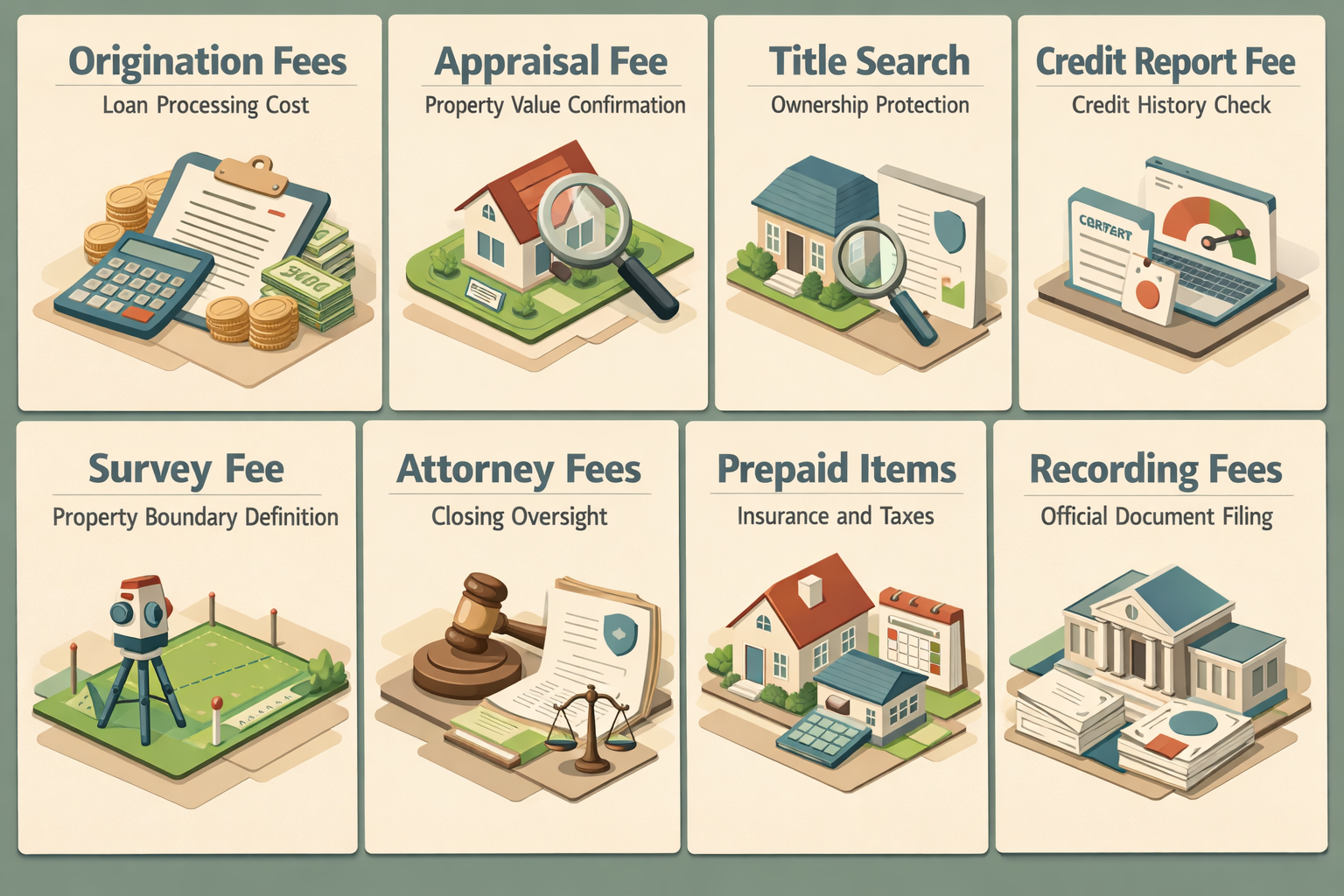
Here's a look at the most common closing cost categories you might encounter:
- Origination Fees: Charged by the lender to process your loan application. These can vary widely between lenders, so it's worth comparing Loan Estimates carefully.
- Appraisal Fee: USDA loans require a property appraisal to confirm market value and ensure the home meets program standards. For a fixer upper, this step is especially important since the appraiser will note any health or safety concerns.
- Title Search and Title Insurance: These fees protect both the lender and buyer from ownership disputes. Lender's title insurance is typically required; owner's title insurance is optional but strongly recommended.
- Credit Report Fee: Lenders charge a fee to pull your credit history as part of the underwriting process.
- Survey Fee: Some lenders or counties require a property survey, particularly for rural land parcels where boundary lines may be less clearly defined.
- Attorney or Settlement Fees: Depending on your state, a real estate attorney or settlement agent may be required to oversee the closing.
- Prepaid Items: These include prepaid homeowner's insurance, prepaid mortgage interest, and the initial escrow deposit for property taxes and insurance.
- Recording Fees: Charged by the local government to officially record the deed and mortgage documents.
One fee that's unique to USDA loans is the guarantee fee, which functions similarly to mortgage insurance on FHA loans. There are two components: an upfront guarantee fee (typically around 1% of the loan amount) and an annual fee (typically around 0.35% of the remaining loan balance). The upfront fee can often be rolled into the loan rather than paid out of pocket at closing.
Fixer Upper Considerations That Can Affect Your Closing Costs
Purchasing a fixer upper rather than a move-in-ready home introduces a few additional cost variables worth planning for. When lenders and appraisers evaluate a property that needs repairs, the process can sometimes take longer and involve more detailed inspections — which may affect certain fees.
Repair Escrow Accounts
If your lender allows a small repair escrow at closing, additional administrative fees may be associated with setting up and managing that account. This is sometimes called a repair completion escrow, and it allows the buyer to close on the home before repairs are fully complete, provided the funds are held in reserve until the work is done.
Additional Inspections
For fixer upper homes, lenders may require pest inspections, well water tests, or septic system evaluations — especially in rural areas where these systems are common. Each inspection typically carries its own fee, and results could influence whether the loan moves forward or requires seller-paid repairs before closing.
Appraisal Complexities
USDA appraisers must confirm that a home is safe, sound, and sanitary. If a fixer upper has visible deficiencies — like a damaged roof, broken windows, or faulty electrical — the appraiser may flag those items as required repairs before the loan can close. This could lead to a second appraisal visit, known as a re-inspection fee, once repairs are completed.
Understanding these potential add-ons ahead of time can help you budget more accurately and avoid surprises at the closing table.
Can You Roll Closing Costs Into a USDA Loan?
One of the more helpful aspects of the USDA loan program is the flexibility it offers when handling closing costs. Since USDA loans allow financing up to 100% of the appraised value — and in some cases slightly above it — there may be room to roll certain closing costs into the loan itself.
Here's how this might work in practice:
- If the home appraises above the purchase price: The difference between the appraised value and the purchase price can sometimes be used to cover closing costs. For example, if you're buying a fixer upper for $180,000 and it appraises at $190,000, you may be able to finance up to $10,000 in closing costs into the loan amount.
- Seller concessions: USDA guidelines allow sellers to contribute toward a buyer's closing costs. Sellers may offer to pay some or all of your closing costs as part of the purchase negotiation, which can significantly reduce your out-of-pocket expenses at closing.
- Lender credits: Some lenders offer credits in exchange for a slightly higher interest rate. While this reduces upfront cash needed, it does increase your monthly payment and the total interest paid over time — so it's a tradeoff worth weighing carefully.
It's important to note that not every closing cost can be financed, and the total loan amount must still fall within USDA program limits for your county. Confirming the specifics with your lender is the best way to understand what's possible in your scenario.
Comparing USDA Closing Costs to Other Loan Programs
When evaluating what are closing costs for USDA loan on fixer upper purchases, it helps to compare USDA fees against similar government-backed programs. This context can help you decide whether a USDA loan is the right fit for your goals.
USDA vs. FHA Loans
FHA loans are popular among buyers with lower credit scores or limited savings. Like USDA loans, FHA loans have both an upfront mortgage insurance premium (MIP) and annual MIP. However, FHA loans require a minimum 3.5% down payment, whereas USDA loans may require no down payment at all — making the total cash needed at closing potentially lower with USDA, depending on how costs are handled.
USDA vs. Conventional Loans
Conventional loans don't carry government guarantee fees, which can reduce certain line items at closing. However, buyers who put down less than 20% on a conventional loan will pay private mortgage insurance (PMI), which adds to monthly costs. USDA's annual fee structure may actually be more affordable for some borrowers when compared to PMI on low-down-payment conventional loans.
USDA vs. VA Loans
VA loans, available to eligible veterans and service members, are often considered the most favorable in terms of overall costs — no down payment and no monthly mortgage insurance. However, VA loans are limited by eligibility. For rural homebuyers who don't qualify for VA benefits, USDA loans remain one of the most cost-effective paths to homeownership.
Smart Strategies to Reduce What You Pay at Closing
Even with a zero-down loan like USDA, closing costs can still amount to several thousand dollars. The good news is there are practical strategies homebuyers can use to lower those out-of-pocket expenses.
- Negotiate seller concessions early: When making an offer on a fixer upper, consider asking the seller to cover some or all of your closing costs. Sellers of distressed or fixer upper properties may be more willing to negotiate, especially if the home has been on the market for a while.
- Shop multiple lenders: Origination fees and lender-specific charges can vary significantly from one lender to the next. Comparing Loan Estimates from at least three USDA-approved lenders could reveal meaningful cost differences.
- Ask about down payment assistance programs: Many state and local housing agencies offer closing cost assistance grants or forgivable loans that can be layered with a USDA loan. Eligibility requirements vary by program and location.
- Close at the end of the month: The amount of prepaid interest you owe at closing depends on how many days are left in the month after your closing date. Closing near the end of the month can reduce this prepaid expense.
- Review the Closing Disclosure carefully: Before closing day, you'll receive a Closing Disclosure listing all final costs. Reviewing it line by line — and comparing it to your original Loan Estimate — can help you catch unexpected fee increases or errors.
●Conclusion
Understanding what are closing costs for USDA loan on fixer upper properties is a key step toward a smooth and financially sound home purchase. From appraisal fees and title charges to the USDA guarantee fee and prepaid escrow items, the costs add up — but they're also more manageable than many buyers expect. With the right planning, seller negotiations, and lender comparisons, you may be able to minimize your out-of-pocket expenses significantly. Whether you're a first-time homebuyer pursuing an affordable rural property or a savvy investor looking to renovate in an eligible area, knowing your numbers upfront puts you in a much stronger position. Ready to explore your USDA loan options? Connect with a LoanWise lending specialist today and get a personalized closing cost estimate for your fixer upper purchase.