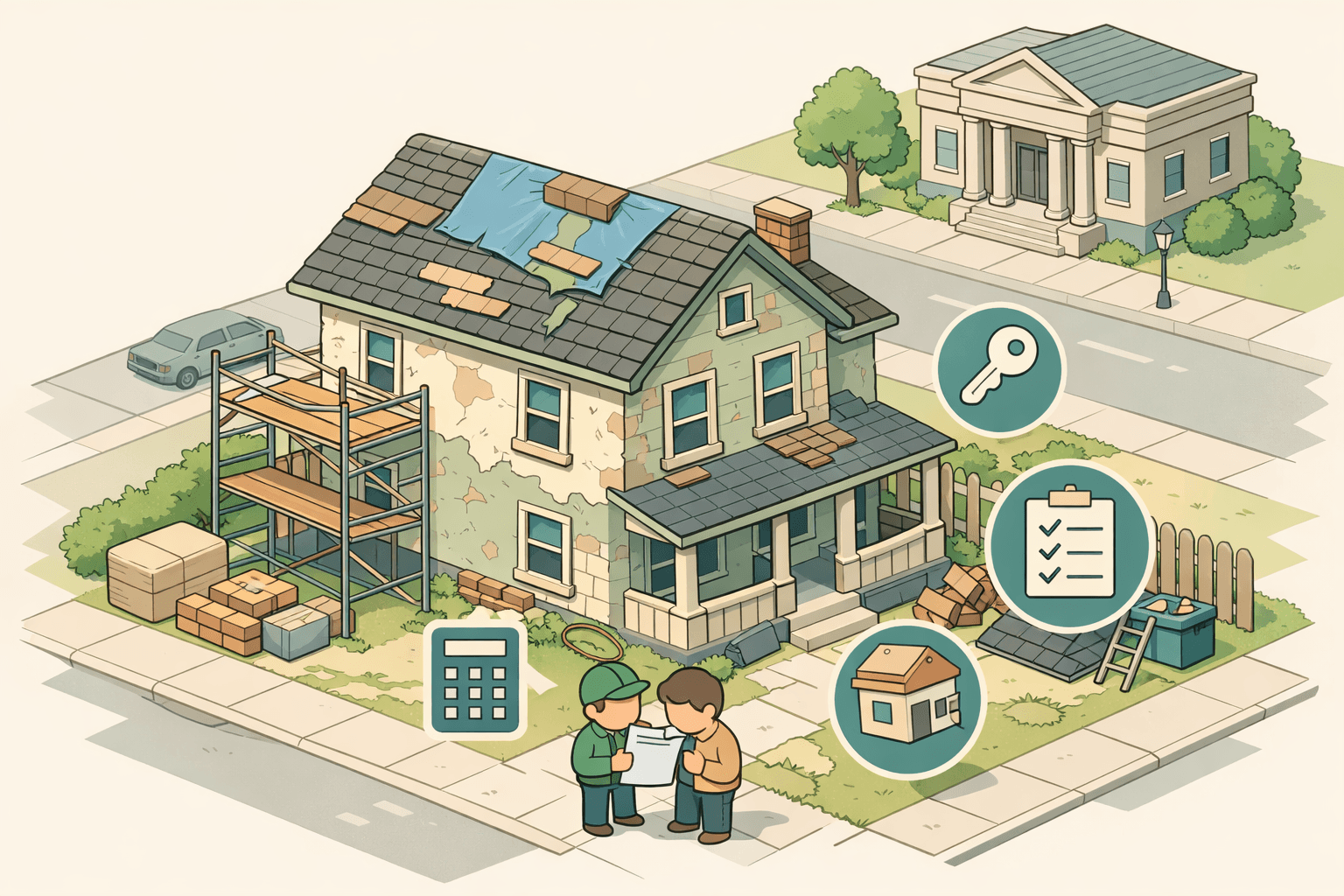
Purchasing a fixer upper can be an exciting opportunity to build equity and create a home tailored to your vision. But before you sign on the dotted line, it's important to understand the full financial picture — especially when using government-backed financing. Many homebuyers ask: what are closing costs for FHA loan on fixer upper needing extensive repairs? The answer involves more moving parts than a standard home purchase, and knowing what to expect can help you budget smarter and avoid surprises at the closing table.
Why FHA Loans Are Popular for Fixer Upper Purchases
FHA loans have long been a go-to option for homebuyers who may not have a large down payment or perfect credit. Backed by the Federal Housing Administration, these loans typically require a lower down payment — often as low as 3.5% for qualified borrowers — and tend to have more flexible credit requirements than conventional mortgages.
When it comes to fixer upper properties, the FHA offers a specialized product known as the FHA 203(k) loan. This program allows buyers to finance both the purchase price of the home and the cost of eligible renovations into a single mortgage. That means you don't need a separate construction loan or personal loan to cover repairs — everything is bundled together, which simplifies the financing process considerably.
There are two main versions of this program. The Standard 203(k) is designed for homes needing extensive structural repairs and typically requires a minimum renovation budget. The Limited 203(k), sometimes called the Streamlined version, is suited for smaller cosmetic improvements. If your fixer upper needs significant work — think foundation repairs, roof replacement, or major systems overhauls — the Standard 203(k) is likely the right fit.
What Are Closing Costs for FHA Loan on Fixer Upper Needing Extensive Repairs
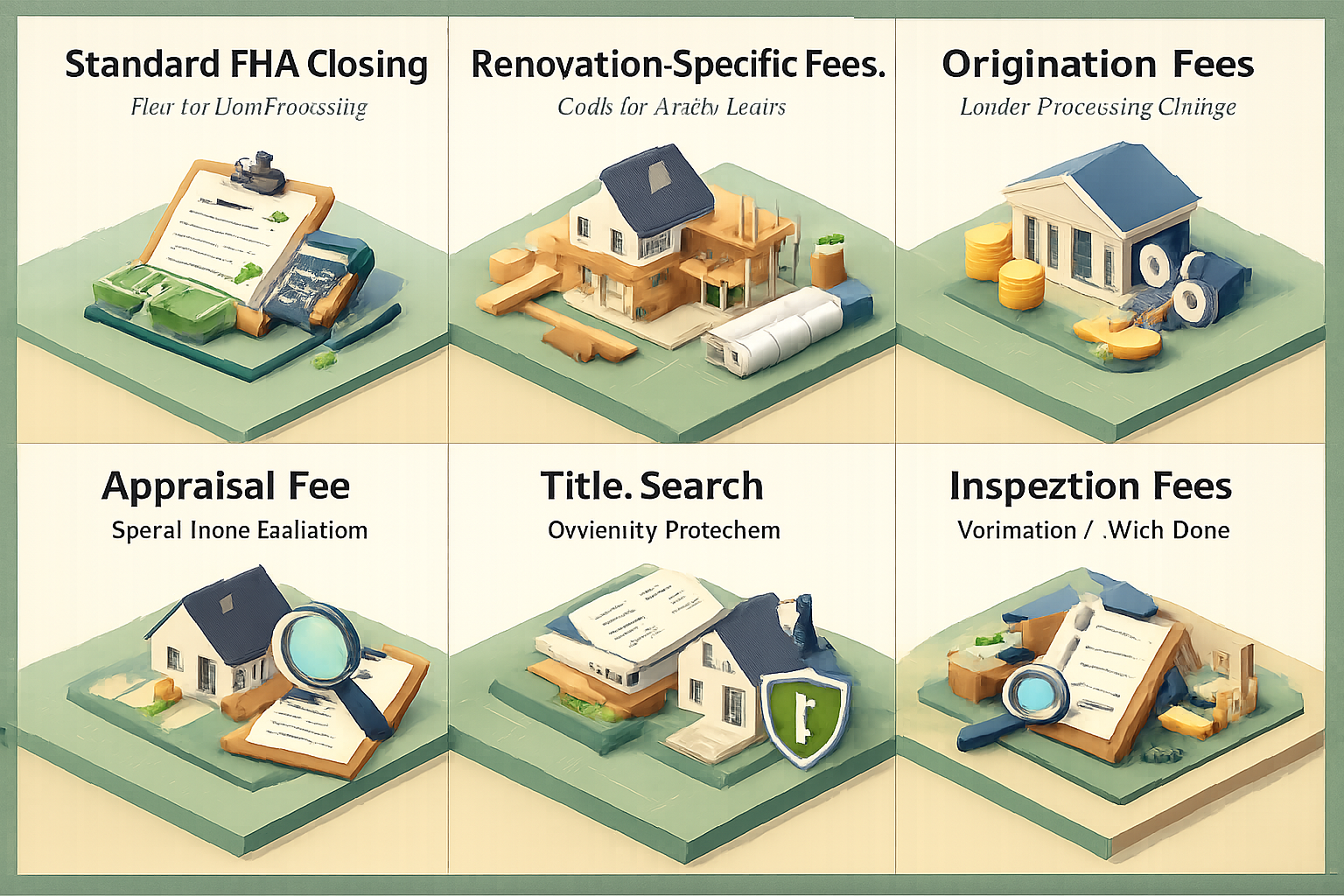
Understanding what are closing costs for FHA loan on fixer upper needing extensive repairs starts with recognizing that these costs fall into two broad categories: standard FHA closing costs and renovation-specific fees tied to the 203(k) program.
Standard FHA Closing Costs
Like any mortgage, an FHA loan comes with a range of closing costs that are paid at settlement. These may include:
- Origination fees: Charged by the lender for processing your loan application, typically ranging from 0.5% to 1% of the loan amount, though this can vary by lender.
- Appraisal fee: FHA loans require a special appraisal that evaluates both the current condition of the home and its projected value after repairs. This appraisal may cost more than a standard one due to its complexity.
- Title search and title insurance: These protect both the lender and buyer from ownership disputes and are standard in most real estate transactions.
- Credit report fee: A relatively small charge for pulling your credit history during underwriting.
- Prepaid costs: These include prepaid homeowners insurance, property taxes held in escrow, and prepaid mortgage interest from closing to your first payment date.
- FHA Upfront Mortgage Insurance Premium (UFMIP): FHA loans require an upfront MIP, which is currently set at 1.75% of the base loan amount. This can be rolled into the loan or paid at closing.
Overall, FHA closing costs typically range from 2% to 6% of the loan amount, though the exact figure depends on your loan size, lender, location, and the specifics of your transaction.
Additional Closing Costs Unique to FHA 203(k) Renovation Loans
When you add the renovation component through a 203(k) loan, several additional fees may apply:
- HUD Consultant fee: For the Standard 203(k), a HUD-approved consultant is generally required to inspect the property, create a work write-up, and oversee the renovation process. Consultant fees can vary but are typically several hundred to over a thousand dollars depending on the scope of the project.
- Architectural and engineering fees: If your repairs require structural plans or engineering assessments, those costs may also be included in the loan or paid at closing.
- Supplemental origination fee: Some lenders charge an additional origination fee specific to the 203(k) loan component, which may be a flat fee or a percentage of the renovation amount.
- Inspection fees during construction: Throughout the renovation phase, periodic draw inspections are typically required to verify that work has been completed before funds are released to contractors. These inspection fees can add up over the course of the project.
It's worth noting that many of these renovation-related fees can often be rolled into the total loan amount rather than paid out of pocket at closing, though that depends on your lender's policies and the loan limits in your area.
How Renovation Costs Are Structured Within the Loan
One of the most practical aspects of the FHA 203(k) program is how it handles renovation costs. Rather than receiving the full renovation budget upfront, the funds are placed into an escrow account that is controlled by the lender. As the contractor completes verified phases of work, draws are released from that escrow account.
This structure protects both the lender and the homebuyer by ensuring funds are used appropriately. However, it also means that your contractor needs to be comfortable working within this draw schedule — not all contractors are familiar with 203(k) requirements, so it's important to vet your contractor carefully before finalizing your renovation plans.
For homes needing extensive repairs, the Standard 203(k) may require a minimum renovation amount — often cited as at least $5,000 in eligible improvements — and there is no strict upper limit beyond the FHA loan limits for your county. Luxury improvements and certain non-essential upgrades are generally not eligible, so it's important to work with your HUD consultant to build a compliant scope of work.
A useful concept to understand is the After Improved Value (AIV). The FHA will base the loan amount on either the purchase price plus renovation costs or 110% of the projected value after repairs, whichever is lower. This calculation directly affects how much you can borrow, which in turn impacts your overall closing costs.
Breaking Down FHA Closing Cost Assistance and Seller Contributions
Many homebuyers are relieved to learn that FHA guidelines allow sellers to contribute toward the buyer's closing costs. Under FHA rules, sellers may contribute up to 6% of the home's sale price toward the buyer's allowable closing costs and prepaid items. This can meaningfully reduce the amount of cash you need to bring to the closing table.
In a buyer's market or when negotiating on a distressed fixer upper property, you may have a reasonable opportunity to negotiate seller concessions. However, in competitive real estate markets, sellers may be less willing to offer these contributions, so it's important not to rely on them exclusively in your financial planning.
Additionally, some state and local housing agencies offer down payment assistance programs that can also help cover a portion of closing costs for eligible buyers. These programs vary widely by location, income level, and property type, so it's worth researching what's available in your area.
Some lenders may also offer lender credits in exchange for a slightly higher interest rate. This allows you to reduce out-of-pocket closing costs in exchange for a modestly higher monthly payment over the life of the loan. Whether this trade-off makes sense depends on how long you plan to stay in the home and your overall financial priorities.
Budgeting for Mortgage Insurance and Ongoing Repair Costs
Beyond closing costs, FHA borrowers should be prepared for ongoing mortgage insurance premiums (MIP). Unlike some conventional loans, FHA loans require both an upfront MIP and an annual MIP that is paid monthly as part of your mortgage payment. The annual MIP rate varies based on your loan term, loan amount, and loan-to-value ratio.
For buyers financing a heavily distressed property, it's also wise to build a contingency reserve into your renovation budget. The FHA 203(k) Standard program actually requires a contingency reserve of typically 10% to 20% of the total repair costs to cover unforeseen expenses that arise during renovation. This reserve is held in the escrow account and can be released if needed or applied toward the principal balance if unused.
It's not uncommon for extensive renovation projects to uncover hidden issues — outdated wiring, plumbing problems, or structural concerns — that weren't visible during the initial inspection. Having that contingency cushion built into your loan can provide a meaningful financial safety net.
Homebuyers should also consider the cost of temporary housing if the property is uninhabitable during renovations. In some cases, the FHA 203(k) program allows up to six months of mortgage payments to be included in the renovation budget to cover your housing costs while repairs are underway. This is a lesser-known benefit that could significantly ease the financial burden during the construction phase.
Key Steps to Prepare Before Applying for an FHA Renovation Loan
If you're seriously considering buying a fixer upper with an FHA loan, a little preparation goes a long way. Here are some practical steps to set yourself up for success:
- Review your credit profile: While FHA loans are generally more accessible for borrowers with lower credit scores, a stronger credit score may help you qualify for better interest rates and terms. Check your credit report for errors and address any outstanding issues before applying.
- Get pre-approved early: Talk to an FHA-approved lender and ask specifically about the 203(k) program. Not all lenders offer this product, so it's important to find one with experience in renovation lending.
- Hire a HUD-approved consultant: For the Standard 203(k), working with a qualified consultant from the start helps ensure your renovation scope is compliant and realistic within the program's guidelines.
- Get multiple contractor bids: Lenders will want to see detailed bids before finalizing your loan. Having multiple bids also helps you understand the true scope and cost of your repairs.
- Understand the loan timeline: FHA 203(k) loans typically take longer to close than standard FHA purchase loans due to the additional documentation and inspection requirements. Budget your time accordingly, especially if you're under contract with a seller.
- Compare loan estimates: Lenders are required to provide a Loan Estimate within three business days of your application. Review these carefully and compare closing costs across multiple lenders before committing.
Is an FHA Fixer Upper Loan the Right Move for Your Situation
The decision to pursue an FHA loan for a fixer upper needing extensive repairs isn't one-size-fits-all. It may be a strong option if you're a first-time homebuyer with limited savings, a homebuyer looking to enter a desirable neighborhood at a lower purchase price, or someone who sees long-term equity potential in a distressed property.
On the other hand, if you have strong credit and substantial savings, a conventional renovation loan — such as the Fannie Mae HomeStyle loan — might offer more flexibility, especially if you're planning premium upgrades that fall outside FHA eligibility guidelines.
It's also worth considering the total cost of ownership over time. While FHA closing costs and mortgage insurance add to your upfront and ongoing expenses, the ability to purchase and renovate a home with a relatively small down payment can make homeownership accessible in ways that other financing options simply can't match.
Ultimately, the best path forward depends on your credit profile, available savings, renovation goals, and long-term housing plans. Speaking with a knowledgeable mortgage professional who specializes in FHA closing costs, renovation financing, and fixer upper loans can help you model the numbers and make a confident, informed decision.
●Conclusion
Understanding what are closing costs for FHA loan on fixer upper needing extensive repairs is a critical first step for any homebuyer exploring this path. From standard lender fees and FHA mortgage insurance to HUD consultant charges and contingency reserves, the costs can add up — but they're manageable with the right planning and the right lending partner. At LoanWise, we're here to help you navigate every layer of the process, from your first pre-approval conversation to the moment you get the keys. Ready to explore your options? Connect with a LoanWise mortgage specialist today and take the first step toward turning that fixer upper into your dream home.