
Buying a home is one of the biggest financial decisions most people will ever make. For many homebuyers, pulling together a down payment is the hardest part — which is why gift funds can be such a meaningful lifeline. But what happens when that gift comes from someone outside your immediate family? Understanding what are closing costs for conventional loan with gifted down payment from non-relative is essential before you sit down at the closing table. There are specific rules, documentation requirements, and cost considerations that every borrower using gift funds should know about — especially when those funds come from a friend, employer, or distant relative. This guide walks you through everything clearly and confidently so you can move forward with your homebuying plans.
How Conventional Mortgage Closing Costs Are Structured
Before diving into the nuances of gift funds, it helps to understand what conventional mortgage closing costs typically look like. These are the fees and expenses that are due at or near the time your loan closes. They're separate from your down payment, though both are paid around the same time.
Closing costs on a conventional loan generally fall into a few broad categories:
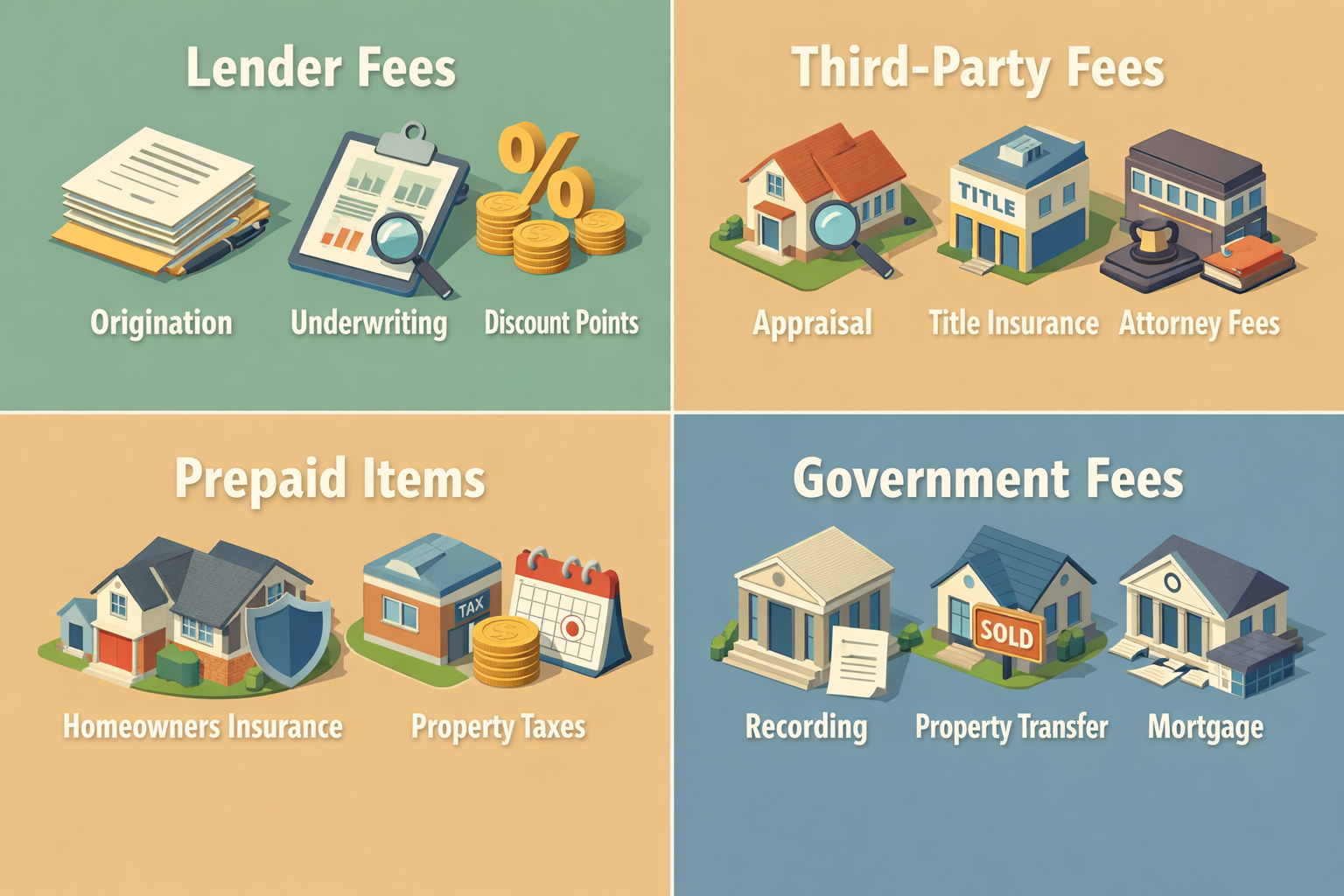
- Lender fees: These may include origination fees, underwriting fees, and discount points. They compensate the lender for processing and funding your loan.
- Third-party fees: These cover services like the appraisal, title search, title insurance, attorney fees (where required), and settlement or escrow fees.
- Prepaid items: These are upfront costs for things like homeowners insurance, property taxes held in escrow, and prepaid mortgage interest.
- Government recording fees: Charged by local or county governments to officially record the property transfer and new mortgage.
In total, closing costs on a conventional loan might range somewhere between 2% and 5% of the loan amount, though the exact figure can vary based on location, loan size, lender, and property type. It's worth requesting a Loan Estimate early in the process so you can compare costs across lenders and plan accordingly.
What Gift Funds Mean in the World of Conventional Lending
In mortgage lending, a "gift" refers to money provided to a borrower by another party that does not need to be repaid. Lenders and investors like Fannie Mae and Freddie Mac, which back most conventional loans, have specific guidelines about when and how gift funds may be used.
For conventional loans, gift funds are most commonly used toward the down payment. However, they may also be applied to closing costs in certain situations, depending on lender guidelines and the loan's overall structure. This is an important distinction — not all lenders treat gift funds for closing costs identically, so it's smart to confirm with your loan officer early.
The key requirement that lenders focus on is that the gift is truly a gift — meaning there's no expectation of repayment. If there's any indication that the money must be paid back, it's treated as a loan rather than a gift, which would affect your debt-to-income ratio and overall qualification.
Gift funds on conventional loans are typically documented through a formal gift letter, which includes the donor's name, the amount of the gift, the relationship to the borrower, the property address, and a clear statement that no repayment is required. Bank statements showing the transfer of funds are also commonly required.
Conventional Mortgage Gift Fund Rules for Non-Relative Donors
Here's where things get a bit more nuanced. Most people assume gift funds can only come from family members — and while family is the most common source, conventional loan guidelines may allow gifts from a broader range of donors under certain conditions.
Fannie Mae guidelines, for example, generally permit gift funds from relatives, domestic partners, fiancés, or even close friends with a clearly documented personal relationship to the borrower. Freddie Mac has similar allowances. The critical factor is that the donor must have a legitimate personal connection to the borrower — purely anonymous or unrelated business contacts may not qualify.
When the gift comes from a non-relative — such as a close friend, godparent, or mentor — lenders will typically apply additional scrutiny. This might include:
- A more detailed gift letter explaining the personal relationship between the donor and the borrower
- Documentation of the donor's ability to make the gift (bank statements showing the funds existed before the transfer)
- Evidence that the transfer was a clean financial transaction with no conditions attached
It's also worth noting that some lenders may have overlay policies — meaning they impose stricter rules than what Fannie Mae or Freddie Mac technically require. So even if the guideline technically allows a non-relative gift, your specific lender might not. Always confirm this upfront with your mortgage professional.
What Are Closing Costs for Conventional Loan with Gifted Down Payment from Non-Relative: The Full Picture
When you're asking what are closing costs for conventional loan with gifted down payment from non-relative, you're really asking two questions at once: what will I pay at closing, and how does the gift from a non-relative factor into those costs?
The closing costs themselves don't change based on where your down payment gift came from. Whether your gift came from a parent or a longtime family friend, you'll still pay the same appraisal fees, title charges, lender fees, and prepaid items. The structure of conventional mortgage closing costs remains consistent regardless of the gift source.
What does change is the documentation and underwriting process. Because the gift is coming from a non-relative, lenders will likely request more supporting paperwork to verify the legitimacy of the funds. This can include:
- A signed gift letter with a clear statement of the personal relationship
- The donor's bank statement showing the funds were available prior to the gift date
- Your bank statement showing the funds were deposited and are now "seasoned" in your account
- In some cases, a written explanation of the nature of your relationship with the donor
One area to watch carefully: if you're putting down less than 20%, you'll likely be required to pay private mortgage insurance (PMI). Some lenders may also require that a portion of the down payment — sometimes as much as 5% — come from the borrower's own funds when the loan-to-value ratio is above a certain threshold. This means that even if you have a non-relative gift, you may still need to contribute some money out of your own pocket alongside it.
How Lenders Verify and Season Gift Funds During Underwriting
Underwriting is the process where your lender verifies everything you've submitted to make sure it meets loan guidelines. When gift funds are involved — especially from a non-relative — the underwriter will scrutinize the paper trail carefully.
The term "seasoning" refers to how long the gift funds have been sitting in your bank account. When funds are seasoned for a period of time — often 60 days or more — lenders may require less documentation because the money is already reflected on your regular bank statements. However, if the gift is received shortly before closing, expect the underwriter to request full sourcing documentation from both you and the donor.
Here are some practical tips to help the process go smoothly:
- Receive the gift early: If possible, have the donor transfer the money to your account well in advance of your closing date. This gives the funds time to season and reduces documentation demands.
- Keep records clean: Avoid commingling the gift funds with unrelated large deposits. If a large deposit appears in your account, your underwriter will ask about it.
- Get the gift letter right: Make sure every required field is completed accurately. Missing details — like the donor's address or a clear no-repayment statement — can cause delays.
- Work with an experienced loan officer: A knowledgeable mortgage professional can guide you through lender-specific requirements and help you avoid surprises.
Tips for Reducing Out-of-Pocket Costs When Using Gift Funds
Even with a generous gift covering your down payment, closing costs can still add up quickly. The good news is there are a few strategies that may help reduce what you pay out of pocket at closing.
Negotiate seller concessions: In some market conditions, sellers may agree to contribute toward your closing costs as part of the sale negotiations. On conventional loans, seller concessions are typically allowed up to a certain percentage of the purchase price, depending on your loan-to-value ratio. This could meaningfully reduce the cash you need to bring to closing.
Ask about lender credits: Some lenders offer lender credits in exchange for a slightly higher interest rate. This means you pay less at closing but a bit more over the life of the loan. Whether this makes sense depends on how long you plan to stay in the home.
Roll costs into the loan: In some refinance situations — though typically not on a purchase — closing costs can be rolled into the loan balance. On a purchase, you generally can't do this with a conventional loan without it affecting your loan structure.
Shop around: Closing costs can vary significantly from one lender to the next. Getting multiple Loan Estimates and comparing them line by line is one of the most effective ways to reduce what you spend at closing. Third-party fees like title insurance and settlement services may also be negotiable or shoppable in your area.
●Conclusion
Navigating conventional mortgage closing costs gift funds — especially when the donor is a non-relative — doesn't have to be overwhelming. The closing costs themselves remain largely the same regardless of where your gift originates. What changes is the documentation process, the level of lender scrutiny, and potentially the contribution requirements based on your down payment size and loan structure.
The key takeaways are simple: know your lender's specific policies on non-relative gifts, prepare thorough documentation for both you and your donor, and work with a knowledgeable mortgage professional who can help you anticipate underwriting questions before they slow down your closing. If you understand what are closing costs for conventional loan with gifted down payment from non-relative and plan accordingly, you'll be in a much stronger position to close with confidence. Ready to take the next step? Connect with a LoanWise mortgage expert today to explore your options and get a personalized Loan Estimate.