
If you're in the process of buying a condo, you've likely come across the term closing costs more than once. These are the fees and expenses paid at the end of a real estate transaction, and they can catch many buyers off guard if they're not prepared. Understanding what are closing costs for conventional loan on condo with owner financing is an important step toward making confident, informed decisions. Whether you're working with a traditional lender or exploring a seller-financed arrangement, knowing what charges to expect — and how they differ — could save you thousands of dollars and a lot of stress.
Breaking Down Closing Costs on a Conventional Condo Loan
When you finance a condo purchase through a conventional loan, closing costs for conventional loan typically include a wide range of fees charged by the lender, third-party service providers, and government entities. These costs are generally paid at settlement — the day you officially take ownership of the property.
On a conventional mortgage, buyers might expect to pay closing costs that typically range between 2% and 5% of the purchase price, though the exact amount can vary based on the lender, location, loan size, and property type. For a condo, there are often additional layers of fees tied to the unique nature of the property.
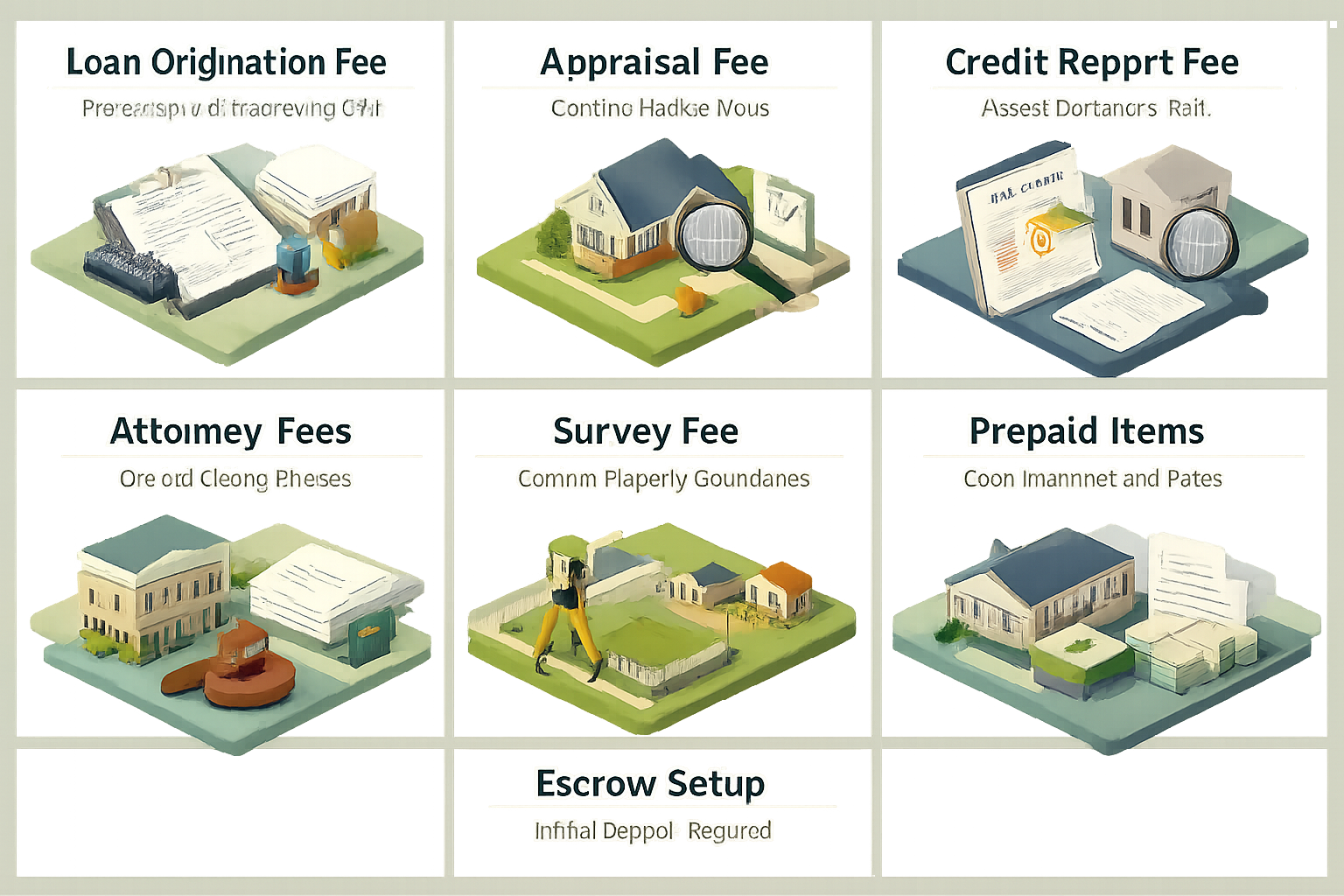
- Loan origination fee: Charged by the lender for processing and underwriting your loan. This may be expressed as a flat fee or a percentage of the loan amount.
- Appraisal fee: Lenders require a professional appraisal to confirm the condo's market value. Condo appraisals may cost slightly more than single-family home appraisals due to the added complexity of evaluating shared spaces and HOA financials.
- Credit report fee: The lender pulls your credit history to assess your borrowing risk. This is usually a modest fee passed on to the borrower.
- Title search and title insurance: A title company verifies ownership history and checks for liens or legal disputes. Title insurance protects both the lender and, optionally, the buyer from future claims.
- Attorney or settlement agent fees: Depending on your state, a real estate attorney or settlement agent may be required to oversee the closing process.
- Survey fee: Though more common in single-family transactions, some lenders may still request a survey to confirm property boundaries or condo unit delineations.
- Prepaid items: These include prepaid homeowner's insurance, prepaid property taxes, and prepaid mortgage interest covering the days from closing to the end of the month.
- Escrow account setup: Your lender may require an initial deposit into an escrow account to cover future insurance and tax payments.
It's worth noting that condos may face additional scrutiny from conventional lenders. Fannie Mae and Freddie Mac, which back most conventional loans, have specific guidelines about condo project eligibility. If the condo development doesn't meet warrantability standards — such as having too many investor-owned units or pending litigation — lenders may require a non-warrantable condo loan, which could come with higher rates and fees.
Condo-Specific Fees That Could Affect Your Closing Statement
Buying a condo isn't quite the same as purchasing a standalone home, and that difference shows up clearly on the closing disclosure. There are condo-specific charges that buyers should anticipate when reviewing their final settlement statement.
HOA-Related Charges at Closing
Most condos are governed by a homeowners association (HOA), and at closing, buyers typically encounter several HOA-related fees. These might include:
- HOA transfer fee: A one-time charge to transfer the seller's HOA membership to the buyer. The amount varies by association.
- HOA initiation or move-in fee: Some associations charge new residents an upfront fee to join the community.
- Prorated HOA dues: If you're closing mid-month, you may be responsible for a portion of the current month's dues.
- HOA document review fee: Lenders often require a review of the condo's HOA financial documents, reserve fund status, and meeting minutes. There's usually a fee associated with obtaining these records.
Condo Project Review Costs
Conventional lenders are required to conduct a condo project review before approving financing. This review assesses the HOA's financial health, owner-occupancy ratios, insurance coverage, and pending litigation. If the project isn't already on an approved list, a full or limited review may be needed, which can add time and potentially some fees to your closing process.
These layers of review are designed to protect both the lender and the buyer, ensuring that the community is financially stable and properly managed. However, they do add complexity compared to financing a single-family home.
What Are Closing Costs for Conventional Loan on Condo with Owner Financing Compared to Traditional Lending
Owner financing — sometimes called seller financing — is an arrangement where the seller of the property acts as the lender instead of a bank or mortgage company. Rather than taking out a conventional loan through a financial institution, the buyer makes payments directly to the seller under agreed-upon terms.
Understanding what are closing costs for conventional loan on condo with owner financing requires recognizing that these two paths involve very different cost structures.
How Owner Financing Changes the Fee Landscape
With traditional conventional lending, many of the closing costs stem from lender requirements — origination fees, underwriting fees, discount points, and mandatory third-party services ordered by the lender. When a seller finances the transaction directly, several of these costs may be reduced or eliminated entirely because there's no institutional lender imposing their standard fee schedule.
Here's how the cost picture might shift under owner financing for a condo:
- No lender origination or underwriting fees: Since there's no bank involved, buyer and seller negotiate terms privately, which means typical lender fees may not apply.
- No lender-required appraisal: While getting an independent appraisal is always a smart move for the buyer's protection, it may not be mandated by the seller the way a bank would require it.
- No mortgage insurance requirement: Conventional loans with less than 20% down typically require private mortgage insurance (PMI). Owner-financed deals can be structured without this requirement, though sellers may charge a higher interest rate to offset their risk.
- Simpler title process: Title searches and insurance are still highly recommended in owner-financed deals, but the complexity may be lower without lender-imposed title requirements.
- Still subject to HOA fees: Regardless of how the transaction is financed, HOA transfer fees, prorated dues, and document costs still apply when buying a condo.
- Negotiable terms: Down payments, interest rates, repayment schedules, and even some closing fees can often be negotiated directly between buyer and seller.
It's important to note that owner financing arrangements for condos may still involve attorney fees, title work, and recording fees at the county level. These are standard real estate transaction costs that don't disappear just because a traditional lender isn't involved. Buyers should still budget for these expenses and consider working with a real estate attorney to ensure the agreement is legally sound.
How Loan Estimates and Closing Disclosures Protect Conventional Loan Borrowers
One of the key protections built into the conventional lending process is federally mandated disclosure. When you apply for a conventional mortgage, the lender is required to provide you with a Loan Estimate within three business days. This document outlines your estimated interest rate, monthly payment, and projected closing costs in a standardized format that's easy to compare across lenders.
As you approach closing, you'll receive a Closing Disclosure at least three business days before settlement. This document mirrors the Loan Estimate but reflects the final, confirmed costs. Comparing the two side by side is a smart move — it helps you spot any unexpected increases in fees before you commit.
Key Sections to Review on Your Closing Disclosure
- Section A – Origination charges: Lender fees including application, underwriting, and processing costs.
- Section B – Services you cannot shop for: These are lender-selected providers such as appraisers or credit reporting agencies.
- Section C – Services you can shop for: Title companies, settlement agents, and attorneys where you may have flexibility to find competitive pricing.
- Prepaids and escrow: Clearly itemized prepaid costs and initial escrow deposits required at closing.
Owner-financed transactions don't come with the same disclosure requirements since federal mortgage lending regulations typically apply to institutional lenders. This is one reason why buyers in seller-financed deals should invest in independent legal and financial guidance — there's less regulatory oversight to catch errors or protect against unfavorable terms.
Strategies to Reduce Conventional Loan Closing Costs on a Condo Purchase
Closing costs are real expenses, but they're not entirely fixed. There are several legitimate strategies that homebuyers might use to reduce out-of-pocket costs when buying a condo with a conventional loan.
Negotiate Seller Concessions
In many real estate transactions, sellers may agree to cover a portion of the buyer's closing costs as part of the deal negotiation. These are called seller concessions. On a conventional loan, there are limits to how much sellers can contribute, which typically vary based on the down payment amount and loan-to-value ratio. Even partial concessions could meaningfully reduce what you owe at the closing table.
Shop for Third-Party Services
Certain closing costs — particularly title services, settlement agents, and home inspectors — are services you can shop for independently. Comparing quotes from multiple providers in your area could lead to meaningful savings without affecting your loan terms.
Consider a No-Closing-Cost Loan
Some lenders offer no-closing-cost mortgage options where the fees are rolled into the loan balance or offset by a slightly higher interest rate. This approach could make sense if you're short on cash at closing, though it typically means paying more over the life of the loan. It's worth running the numbers carefully before choosing this route.
Close at Month's End
Prepaid mortgage interest covers the period from your closing date to the end of the month. Closing later in the month means fewer days of prepaid interest to pay upfront — a small but practical way to reduce your immediate cash outlay.
Review All Fees for Accuracy
Errors on closing documents aren't unheard of. Reviewing your Closing Disclosure line by line and comparing it to your Loan Estimate can help you identify duplicate fees, miscalculations, or charges that were never disclosed. Don't hesitate to ask your lender or settlement agent for clarification on any item you don't recognize.
Owner Financing on Condos — What Buyers Should Carefully Consider
Owner financing can be an attractive option for buyers who may not qualify for a conventional mortgage or who want more flexible terms. However, it comes with its own set of risks and considerations — especially when the property is a condo.
Due Diligence Remains Essential
Even without a lender conducting their own review, buyers should independently verify the HOA's financial health, review the condo association's bylaws, and confirm there are no outstanding assessments or litigation pending. A financially troubled HOA could affect your property value and your ability to resell or refinance the unit later.
Balloon Payments and Short-Term Terms
Many owner-financed agreements are structured with a shorter repayment period — often five to ten years — followed by a balloon payment where the remaining balance comes due in full. Buyers should have a clear plan for refinancing or paying off this balance before that date arrives. Qualifying for a conventional loan at that future point will depend on your credit profile, the condo's warrantability status, and prevailing lending standards at the time.
Legal Documentation Is Non-Negotiable
A properly drafted promissory note and deed of trust or mortgage instrument are essential in any owner-financed deal. Working with a qualified real estate attorney helps ensure the agreement is legally enforceable and that your ownership interest is properly recorded with the county.
For some buyers, owner financing might serve as a bridge to eventually securing conventional loan closing costs condo owner finance comparisons become critical when evaluating whether to refinance into a traditional mortgage down the road.
●Conclusion
Navigating the world of condo financing doesn't have to feel overwhelming. Whether you're pursuing a conventional mortgage or exploring an owner-financed arrangement, understanding what are closing costs for conventional loan on condo with owner financing puts you in a much stronger position to negotiate, plan, and ultimately close with confidence. Conventional loans come with more regulatory structure and predictable fee disclosures, while owner financing may offer flexibility but requires extra diligence on your part. Either way, taking the time to review every line of your closing costs — and working with knowledgeable professionals along the way — could make a meaningful difference in what you pay and what you get. At LoanWise, we're here to help you make smarter financing decisions at every stage of your homebuying journey.