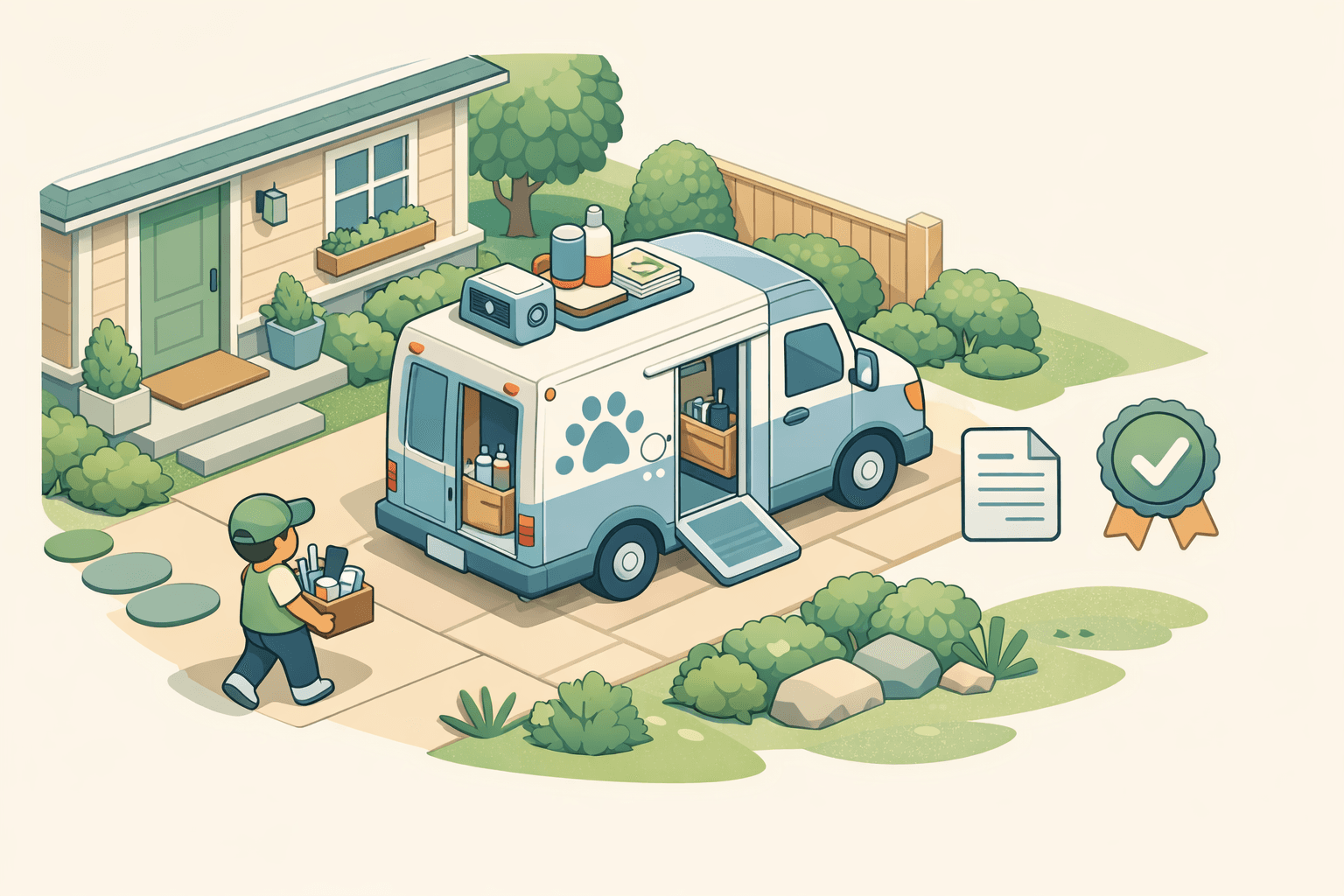
The pet services industry has seen remarkable growth over the past decade, and mobile dog grooming is one of its fastest-expanding niches. Entrepreneurs who love animals and want the freedom of self-employment are increasingly drawn to this low-overhead, high-demand business model. But like any new venture, getting started requires capital — and that's where understanding your startup loan options for a freelance mobile dog grooming business becomes essential. Whether you need to purchase a grooming van, buy professional-grade equipment, or cover your first few months of operating expenses, the right financing strategy could make all the difference. This guide walks you through the most practical and accessible funding paths available to aspiring mobile groomers.
Why Mobile Dog Grooming Is an Attractive Business to Finance
Before diving into loan types, it helps to understand why lenders and investors may view a mobile dog grooming business as a viable financing opportunity. Unlike traditional brick-and-mortar pet salons, a mobile grooming business has a relatively low barrier to entry. Your primary asset — a fully equipped grooming van or trailer — doubles as both your workspace and your transportation, which means you're not locked into a long-term commercial lease.
Pet ownership in the United States has remained strong, and demand for convenient, door-to-door grooming services has grown alongside it. Busy households, elderly pet owners, and pet parents with anxious animals often prefer the one-on-one attention that mobile groomers provide. This steady demand can make your business plan more compelling when you sit down with a lender.
That said, most startup businesses — including those in the pet services space — face the same core challenge: limited credit history and no track record of revenue. Lenders typically view startups as higher-risk borrowers, which means you may need to be creative, thorough, and well-prepared when applying for financing. Understanding which loan programs are designed for entrepreneurs in your situation is the first step toward securing the capital you need.
SBA Microloans: A Strong Starting Point for New Pet Service Entrepreneurs
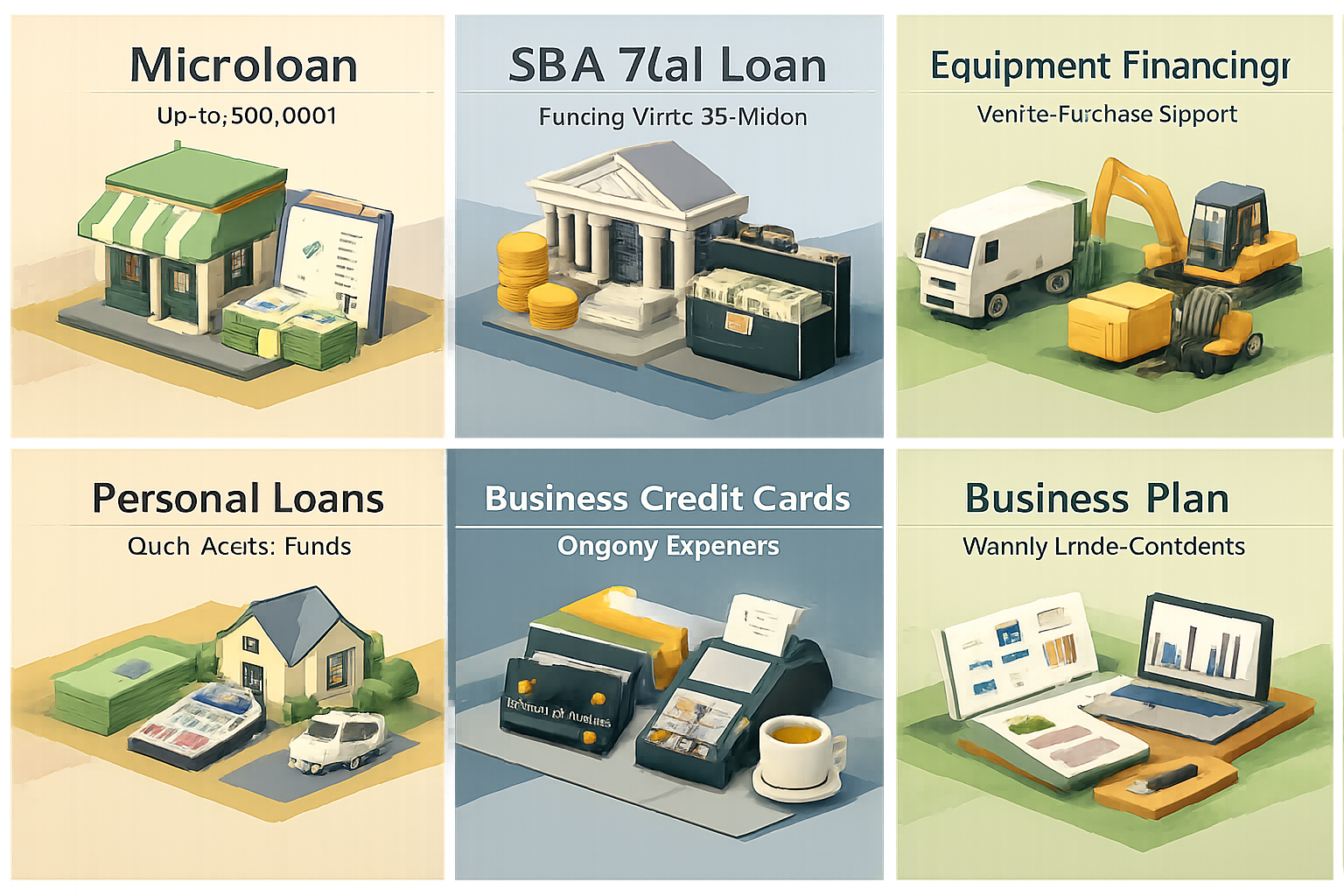
One of the most accessible startup loan options for a freelance mobile dog grooming business is the SBA Microloan program. Administered by the U.S. Small Business Administration, this program offers loans of up to $50,000 through nonprofit community lenders. The average microloan is around $13,000 — which could be more than enough to cover a used grooming trailer, starter equipment, and initial supplies.
Microloans are specifically designed for small and early-stage businesses that may not qualify for conventional bank financing. Many microloan lenders also provide mentorship, business planning support, and financial coaching alongside the loan itself, which can be invaluable for first-time entrepreneurs entering the pet services space.
- Loan amounts: Typically up to $50,000
- Use of funds: Equipment, inventory, supplies, working capital
- Credit requirements: Generally more flexible than traditional bank loans
- Repayment terms: Up to six years, depending on the lender
Keep in mind that microloans usually cannot be used to pay off existing debt or purchase real estate. But for funding a grooming van build-out or stocking up on professional shampoos, clippers, and dryers, they could be an excellent fit. The application process may require a solid business plan, personal financial statements, and sometimes collateral or a personal guarantee.
SBA 7(a) Loans for Freelance Groomers Ready to Scale
If your financing needs exceed what a microloan can cover — say, you want to purchase a brand-new customized grooming van or expand your fleet from day one — an SBA 7(a) loan might be worth exploring. This is the SBA's flagship loan program and offers funding up to $5 million, though most startup applicants would seek much smaller amounts.
SBA 7(a) loans are made through approved lenders such as banks and credit unions, with a government guarantee covering a portion of the loan. This guarantee reduces the lender's risk and makes it more likely they'll approve borrowers who might not qualify for a traditional commercial loan.
For a new freelance mobile dog groomer, qualifying for an SBA 7(a) loan may require:
- A detailed and realistic business plan with financial projections
- Good personal credit — typically a score of 650 or above, though requirements vary by lender
- Demonstration of industry knowledge or relevant work experience
- Collateral, which may include the grooming vehicle or personal assets
- A personal guarantee from all owners with 20% or more equity in the business
Interest rates on SBA 7(a) loans are regulated and tied to the prime rate, which may make them more affordable than many alternative financing options. Repayment terms can extend up to 10 years for equipment or working capital loans, giving new business owners more breathing room as they build their client base.
Equipment Financing: Fund Your Grooming Van Without Draining Your Savings
For many mobile dog groomers, the single largest startup expense is the vehicle and its custom build-out. A professionally equipped grooming van can cost anywhere from $30,000 to well over $100,000, depending on whether you're buying new or used, and how extensively it's outfitted. Equipment financing is a loan type specifically designed to help business owners purchase vehicles, machinery, and tools without tying up their working capital.
With equipment financing, the vehicle or equipment itself typically serves as collateral. This can make approval somewhat easier compared to unsecured loans, since the lender has a tangible asset to recover if the borrower defaults. Repayment terms are generally tied to the useful life of the equipment — often between two and seven years for commercial vehicles.
This option may be particularly appealing for freelance groomers who want to keep their loan and business expenses clearly separated. Some lenders specialize in commercial vehicle financing and may be familiar with mobile service businesses, which could streamline the application process.
It's also worth noting that equipment loans often allow you to preserve your credit lines for other needs, such as inventory, marketing, or unexpected repairs. Rather than depleting your cash reserves on a van purchase, you can spread the cost over time while putting your working capital to use growing your client list.
Personal Loans and Business Credit Cards as Supplemental Funding Tools
When traditional small business loans aren't immediately accessible — especially for brand-new freelancers with no business credit history — personal loans and business credit cards can serve as supplemental or bridge financing tools. While these options typically carry higher interest rates than SBA programs or equipment loans, they can help cover smaller startup loan options quickly.
A personal loan may be an option if you have a strong personal credit score and a verifiable income history. Some online lenders offer personal loans of up to $50,000 with relatively fast approval timelines, which could help you get your grooming supplies, licensing fees, and initial marketing off the ground while you build your business credit profile.
Business credit cards, on the other hand, offer revolving credit that can be useful for ongoing expenses like grooming products, fuel, and routine maintenance. Many cards also come with rewards programs or cashback on business-related purchases, which adds incremental value over time.
- Use personal loans for one-time startup costs with a clear repayment plan
- Use business credit cards for recurring, manageable monthly expenses
- Pay balances in full when possible to avoid high-interest debt accumulation
- Monitor your credit utilization ratio, as high balances can negatively affect your score
The key is to use these tools strategically — not as primary funding sources, but as complements to a broader financing plan.
Building the Business Plan That Wins Lender Confidence
No matter which financing path you pursue, a well-crafted business plan is one of the most important tools in your arsenal. Lenders evaluating a small business loan for pet services want to see that you've done your homework — that you understand your local market, your competition, your target customers, and your realistic revenue potential.
Your business plan for a mobile dog grooming startup should typically include:
- Executive summary: A concise overview of your business concept, mission, and goals
- Market analysis: Data on local pet ownership trends, competitor pricing, and demand for mobile grooming in your area
- Services and pricing: A clear menu of grooming services with competitive but profitable rates
- Marketing strategy: How you plan to attract and retain clients — social media, referrals, local partnerships, etc.
- Financial projections: Month-by-month estimates of revenue, expenses, and cash flow for at least the first two years
- Loan purpose: A specific breakdown of how you'll use borrowed funds
Lenders want to feel confident that you have a realistic path to profitability. Even if your numbers are projections, showing that you've thought carefully about costs — fuel, insurance, grooming supplies, vehicle maintenance, licensing — demonstrates the kind of financial discipline that lenders look for in a small business loan for pet services borrower.
Tips for Strengthening Your Loan Application as a Startup Groomer
Applying for startup funding in the pet services industry comes with its own set of challenges. Since you likely won't have years of business tax returns or established business credit, you'll need to lean on other strengths. Here are several practical steps that may improve your approval odds:
- Check and improve your personal credit score before applying. Pay down existing balances, dispute any errors on your report, and avoid opening new credit accounts in the months leading up to your application.
- Gather relevant experience documentation. If you've worked as a groomer before — even in a salon — letters of reference, certifications, or a portfolio of your work can demonstrate your professional credibility to lenders.
- Open a dedicated business bank account as early as possible. This helps establish your business as a separate financial entity and makes it easier to track income and expenses.
- Explore nonprofit lenders and CDFIs. Community Development Financial Institutions often have more flexible underwriting standards than traditional banks and may have specific programs for minority-owned, women-owned, or veteran-owned small businesses in the service sector.
- Consider a co-signer or collateral. If your credit or financial history is limited, offering collateral or having a creditworthy co-signer may make lenders more willing to extend credit.
- Start small and build. If you're denied for a larger loan, a microloan or equipment financing agreement may help you establish a repayment track record that opens doors to larger funding later.
Remember that persistence matters. Many successful small business owners were turned down initially before finding the right lender or loan program that matched their profile and needs.
●Conclusion
Launching a freelance mobile dog grooming business is an exciting entrepreneurial journey — and securing the right funding doesn't have to be overwhelming. From SBA microloans and 7(a) programs to equipment financing and business credit cards, there are multiple accessible pathways to consider when evaluating startup loan options for a freelance mobile dog grooming business. The key is to understand your options, prepare a compelling business plan, and approach lenders with a clear picture of how you'll use the funds and repay them responsibly. At LoanWise, we're here to help small business owners and entrepreneurs in the pet services industry navigate the lending landscape with confidence. Take the next step today — explore your financing options and get your mobile grooming business on the road.