Starting a bakery is an exciting venture, but turning your passion for baking into a thriving business takes more than great recipes — it takes capital. For many aspiring bakery owners, a Small Business Administration (SBA) loan could be one of the most practical financing paths available. However, the application process can feel overwhelming, especially if you're not sure where to begin. One of the most common questions entrepreneurs ask is: what documents needed for SBA loan for a new bakery startup? The good news is that with the right preparation, the process becomes far more manageable. This guide breaks down every key document category you'll likely need, so you can walk into your lender's office — or submit your SBA loan application for bakery business — with confidence.
Why the SBA Loan Is a Smart Choice for New Bakery Owners
Before diving into the documentation checklist, it helps to understand why SBA loans are particularly well-suited for food service startups like bakeries. SBA-backed loans — especially the popular SBA 7(a) loan program — are designed to help small businesses that might not qualify for conventional financing. Because the SBA guarantees a portion of the loan, lenders may be more willing to work with borrowers who have limited operating history.
For a new bakery, this could mean access to funds for commercial kitchen equipment, leasehold improvements, initial inventory, working capital, and even the purchase or renovation of a retail space. Loan amounts under the 7(a) program can potentially reach up to $5 million, though startup bakeries will typically seek smaller amounts depending on their business plan and projected revenue.
The SBA Microloan program is another option worth considering for very small startups. It offers loans up to $50,000 and may involve less stringent requirements, making it a potential fit for home-based or small-scale bakery operations just getting off the ground.
Personal and Business Identification Documents You Must Gather
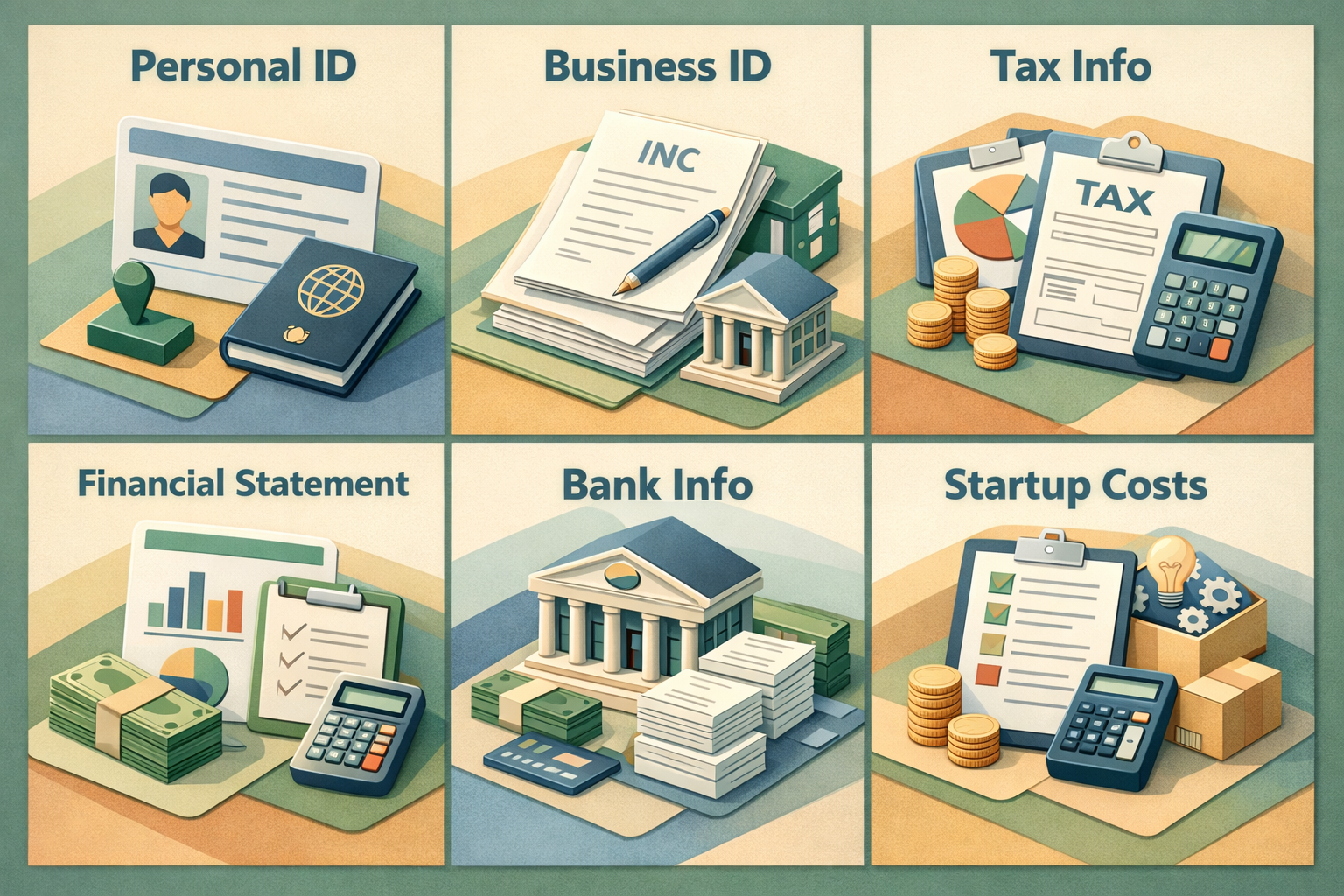
Every SBA loan application begins with verifying who you are and what your business is. Lenders and the SBA need to confirm your identity, legal standing, and ownership structure. Here's what you'll typically need in this category:
- Government-issued photo ID: A valid driver's license or passport for all owners with 20% or more ownership stake.
- Social Security Number (SSN) or Individual Taxpayer Identification Number (ITIN): Required for personal credit checks and background screening.
- Business formation documents: This includes your Articles of Incorporation or Articles of Organization, depending on whether your bakery is structured as an LLC, corporation, or partnership.
- Employer Identification Number (EIN): Issued by the IRS, this is your business's tax identification number.
- Business licenses and permits: For a bakery, this is especially important. You'll likely need a food handler's permit, a health department certification, and a general business operating license from your local municipality.
- Doing Business As (DBA) certificate: If your bakery operates under a name different from its legal entity name, you'll need this document on file.
Having these documents organized before you begin your SBA loan application for bakery business could save you significant time and prevent unnecessary delays in processing.
Building a Solid Business Plan That Lenders Will Take Seriously
One of the most critical components of any startup loan application — and particularly for a new bakery — is a well-developed business plan. Since your bakery has no operating history, lenders will rely heavily on this document to assess your viability and repayment ability. A thorough business plan for an SBA loan application typically includes:
- Executive summary: A concise overview of your bakery concept, mission, and goals.
- Business description: Details about your products, target market, location, and what sets your bakery apart from competitors.
- Market analysis: Research demonstrating demand for your bakery in your area, including competitor analysis and your target customer demographics.
- Organizational structure: An outline of ownership, management roles, and any key staff members.
- Products and services: A detailed description of your baked goods, pricing strategy, and any specialty offerings like custom cakes or wholesale supply.
- Marketing and sales strategy: How you plan to attract and retain customers, whether through social media, local events, or partnerships.
- Financial projections: This is often the most scrutinized section. Include projected income statements, cash flow forecasts, and balance sheets for at least three years.
A strong business plan doesn't just satisfy lenders — it also serves as your strategic roadmap. The more detailed and realistic your projections, the more credibility you'll carry throughout the application process.
What Documents Needed for SBA Loan for a New Bakery Startup: Financial Records Explained
Since your bakery hasn't opened yet, you won't have business financial statements to submit. However, lenders will closely examine your personal financial history as a proxy for how you're likely to manage business finances. Here are the financial documents you should prepare:
- Personal tax returns: Most lenders will request the last two to three years of your personal federal tax returns, including all schedules.
- Personal financial statement: The SBA uses Form 413, which outlines your personal assets, liabilities, income, and net worth. All owners with 20% or more stake must typically complete this form.
- Bank statements: Recent personal bank statements (usually three to six months) help demonstrate your financial stability and cash reserves.
- Credit report authorization: You'll need to authorize the lender to pull your personal credit report. Most SBA lenders look for a credit score of at least 650, though some programs may have different thresholds.
- Startup cost breakdown: A detailed list of all anticipated startup expenses — commercial ovens, display cases, point-of-sale systems, initial ingredient inventory, signage, and so on. This helps justify the loan amount you're requesting.
- Collateral documentation: While not all SBA loans require collateral, lenders may ask for documentation of assets you're willing to pledge, such as equipment or real estate.
Being transparent and thorough with your financial documents signals to lenders that you're a responsible borrower — which could strengthen your overall application.
Location-Specific and Operational Documents That Support Your Application
For a brick-and-mortar bakery, your physical location plays a major role in demonstrating business viability. Lenders may want to see evidence that you've secured or are in the process of securing a suitable commercial space. Relevant documents in this category often include:
- Lease agreement or letter of intent: If you've already signed a lease for your bakery space, include the full agreement. If negotiations are still in progress, a letter of intent from your landlord may be accepted.
- Property appraisal or inspection report: If you're purchasing a commercial property rather than leasing, an appraisal may be required as part of the collateral evaluation process.
- Construction or renovation estimates: If your space requires buildout work to meet health codes or accommodate commercial kitchen equipment, include contractor quotes or signed contracts.
- Equipment quotes or purchase agreements: Lenders often want to see documentation supporting how loan funds will be used, so itemized equipment quotes from suppliers can be very helpful.
- Franchise agreement (if applicable): If your bakery operates under a franchise model — such as a licensed brand — include the full franchise disclosure document and agreement.
These operational documents paint a picture of a business owner who has done the groundwork, which may increase a lender's confidence in your ability to execute your plan successfully.
Ownership, Resumes, and Legal Disclosures That Complete Your Application File
The SBA and its approved lenders want a complete picture of who is behind the business. Several additional documents round out a thorough application package:
- Owner resumes or biographical statements: Highlight any relevant experience in the food industry, bakery management, culinary training, or entrepreneurship. Even if your background is in a different field, transferable skills in operations, marketing, or finance can strengthen your profile.
- SBA Form 1919 — Borrower Information Form: This form collects information about the applicant's background, business history, and any prior SBA loans or federal debt obligations.
- SBA Form 912 — Statement of Personal History: Required if there are any criminal history disclosures or regulatory concerns. Full transparency here is essential, as omissions can result in automatic disqualification.
- Ownership and affiliations disclosure: If any owner has stakes in other businesses, those relationships must be disclosed to assess overall financial exposure.
- Purchase agreement (if buying an existing bakery): If you're acquiring an existing operation rather than starting from scratch, include the full purchase agreement, seller's financial statements, and any business valuation reports.
Completeness matters enormously in SBA loan applications. Missing even one required form could delay your approval timeline by weeks, so working with a knowledgeable lender or SBA resource partner early in the process is strongly recommended.
Practical Tips to Strengthen Your SBA Loan Application for Bakery Business
Gathering your documents is just one part of the equation. How you present your application also matters. Here are some practical strategies that could give your SBA loan application for bakery business a meaningful edge:
- Work with an SBA-preferred lender: These lenders have delegated authority to approve certain SBA loans without waiting for SBA review, which can significantly speed up the process.
- Connect with a Small Business Development Center (SBDC): SBDCs offer free or low-cost guidance and can help you refine your business plan and prepare your documents before you apply.
- Check your personal credit early: Request a free copy of your credit report months before applying so you have time to address any errors or outstanding issues that could hurt your score.
- Organize documents digitally: Many lenders now accept or prefer digital submissions. Keeping all files in clearly labeled folders makes the submission process smoother and faster.
- Be realistic with your projections: Lenders are experienced in reviewing financial forecasts. Overly optimistic projections without supporting assumptions can raise red flags. Base your numbers on actual market research and conservative estimates.
- Demonstrate personal investment: SBA lenders typically expect borrowers to contribute some equity — often around 10% to 30% of the total project cost — to show personal commitment. Document any funds you're injecting from savings or other sources.
Preparation is your most powerful tool. The more organized and thorough your application, the smoother the process is likely to be — and the better your chances of getting the funding your bakery needs to thrive.
●Conclusion
Understanding what documents needed for SBA loan for a new bakery startup is the first step toward making your entrepreneurial dream a reality. From personal identification and a compelling business plan to financial records, location agreements, and SBA-specific forms, each document serves a purpose in helping lenders evaluate your application with confidence. While the paperwork may seem daunting at first, approaching it systematically — ideally with the guidance of an SBA resource partner or experienced business lender — can make the entire journey far less stressful. At LoanWise, we're here to help small business owners like you navigate the financing landscape with clarity and confidence. Ready to take the next step? Connect with a LoanWise lending specialist today and let's get your bakery business off the ground.