Understanding Reverse Mortgage for Seniors: Investment Opportunities for Real Estate Professionals
The reverse mortgage for seniors market represents an often overlooked segment that could impact real estate investment strategies. While these financial products primarily serve homeowners aged 62 and older, they create ripple effects throughout the housing market that savvy investors might leverage for portfolio growth and acquisition opportunities.
Real estate investors who understand how reverse mortgages work often discover unique pathways to property acquisition and investment strategies. These mortgage products allow eligible seniors to convert home equity into cash while remaining in their homes, potentially creating situations where properties eventually enter the market through different channels than traditional sales.
Essential Reverse Mortgage Qualification Requirements
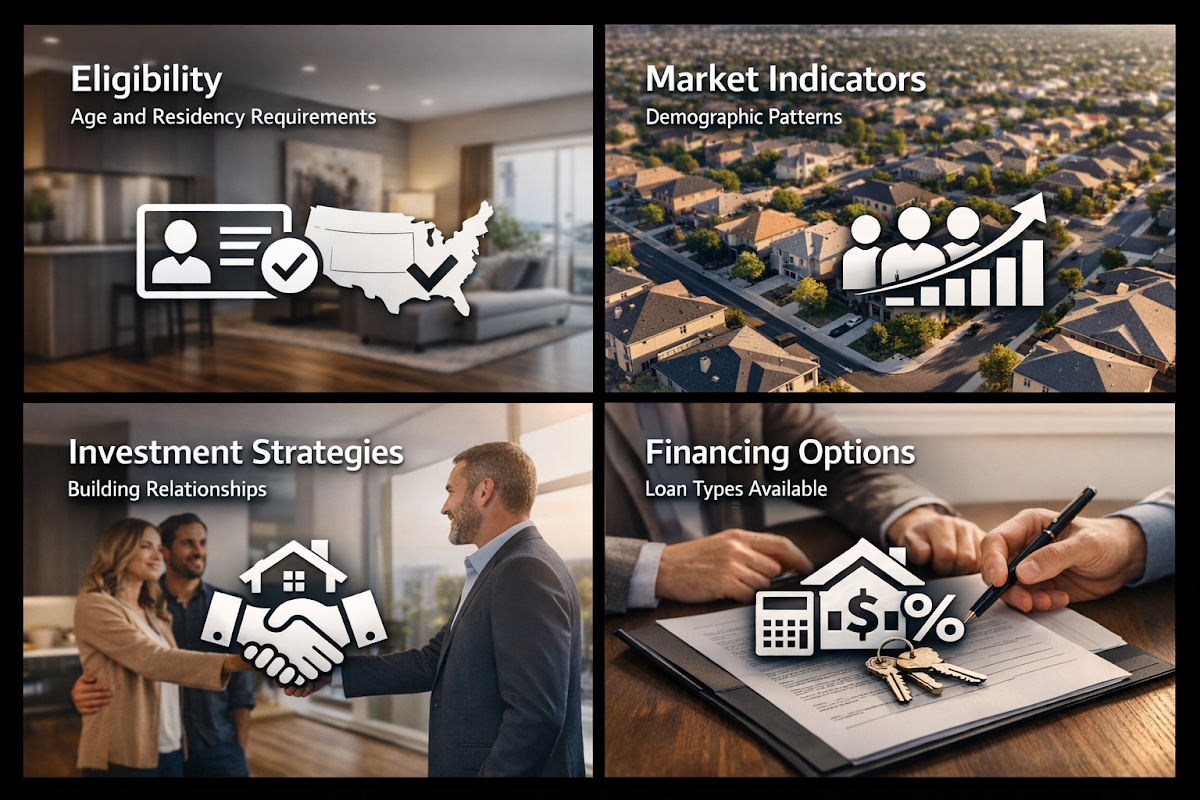
Understanding reverse mortgage qualification requirements helps investors identify potential opportunities in their target markets. The eligibility criteria for reverse mortgages create specific demographic patterns that could influence local housing inventory.
- Primary borrowers must be at least 62 years old, with younger spouses potentially qualifying under certain circumstances
- The property must serve as the borrower's primary residence, eliminating investment properties from reverse mortgage eligibility
- Homeowners typically need substantial equity in their homes, often requiring properties to be mortgage-free or have low remaining balances
- Financial assessments may evaluate the borrower's ability to maintain property taxes, insurance, and home maintenance costs
Key Market Indicators for Investment Opportunities
Reverse mortgage market dynamics often signal emerging investment opportunities in neighborhoods with aging populations. These indicators help investors identify areas where properties might become available through non-traditional channels.
- High concentrations of homeowners aged 62 and above in established neighborhoods with substantial home equity
- Areas where reverse mortgage originations have increased, potentially indicating future inventory changes
- Properties with deferred maintenance where reverse mortgage proceeds might fund renovations before eventual sale
- Neighborhoods experiencing demographic shifts as younger families move in while seniors age in place
Strategic Investment Approaches Using Reverse Mortgage Insights
Smart real estate investors develop strategies that align with reverse mortgage market trends. Understanding how these loans function helps investors position themselves for opportunities that might arise when properties eventually transition ownership.
- Building relationships with seniors who might eventually need to sell properties after reverse mortgage terms conclude
- Identifying properties where reverse mortgage proceeds enable improvements that increase neighborhood values
- Developing expertise in properties that might require updates after periods of deferred maintenance
- Creating partnerships with professionals who serve the senior demographic to identify potential opportunities
Step-by-Step Property Evaluation Process
When reverse mortgage situations create investment opportunities, having a systematic evaluation process ensures investors make informed decisions. This approach helps assess properties that might have unique circumstances or deferred maintenance.
- Analyze the property's condition and estimate renovation costs, as reverse mortgage properties might have deferred maintenance issues that create value-add opportunities
- Research the local demographic trends and reverse mortgage activity to understand if similar opportunities might arise in the area
- Evaluate the timeline and circumstances that led to the property becoming available, which might influence negotiation strategies
- Calculate potential returns based on renovation costs and expected rental income or resale value after improvements
Financing Options for Reverse Mortgage Property Acquisitions
Real estate investors need appropriate financing when opportunities arise from reverse mortgage situations. Different loan products might better suit properties with unique histories or renovation requirements.
- Bridge loans provide quick financing for properties requiring immediate purchase and renovation before traditional refinancing becomes viable
- Fix and flip loans offer specialized terms for investors planning to renovate and resell properties acquired through non-traditional channels
- DSCR loans might work well for investors planning to hold properties as rentals after completing necessary improvements and repairs
- Portfolio lenders sometimes offer flexibility for unique situations that don't fit conventional lending guidelines
Maximizing Returns Through Strategic Planning
Strategic planning becomes crucial when working with properties that have reverse mortgage histories. These situations often require patient capital and careful execution to achieve optimal returns. Investors who understand the nuances of reverse mortgage situations position themselves to capitalize on opportunities that other investors might overlook. The key lies in developing systems and relationships that provide early insight into potential opportunities while maintaining the financial flexibility to act quickly when situations arise. Success in this niche typically requires combining traditional real estate investment skills with an understanding of senior demographics and reverse mortgage market dynamics.
●Conclusion
The reverse mortgage for seniors market creates unique opportunities for experienced real estate investors willing to understand its complexities. While these situations require specialized knowledge and patient capital, they often provide access to properties with significant potential in established neighborhoods.
Successful investors in this space typically develop long-term strategies that align with demographic trends and reverse mortgage market cycles. By building expertise in renovation financing, senior demographics, and property evaluation, investors position themselves to capitalize on opportunities that others might miss.
For real estate investors seeking to diversify their acquisition strategies, understanding reverse mortgages for seniors provides another tool for building profitable portfolios. The key lies in developing the relationships, knowledge, and financial resources needed to act when opportunities arise in this specialized market segment.