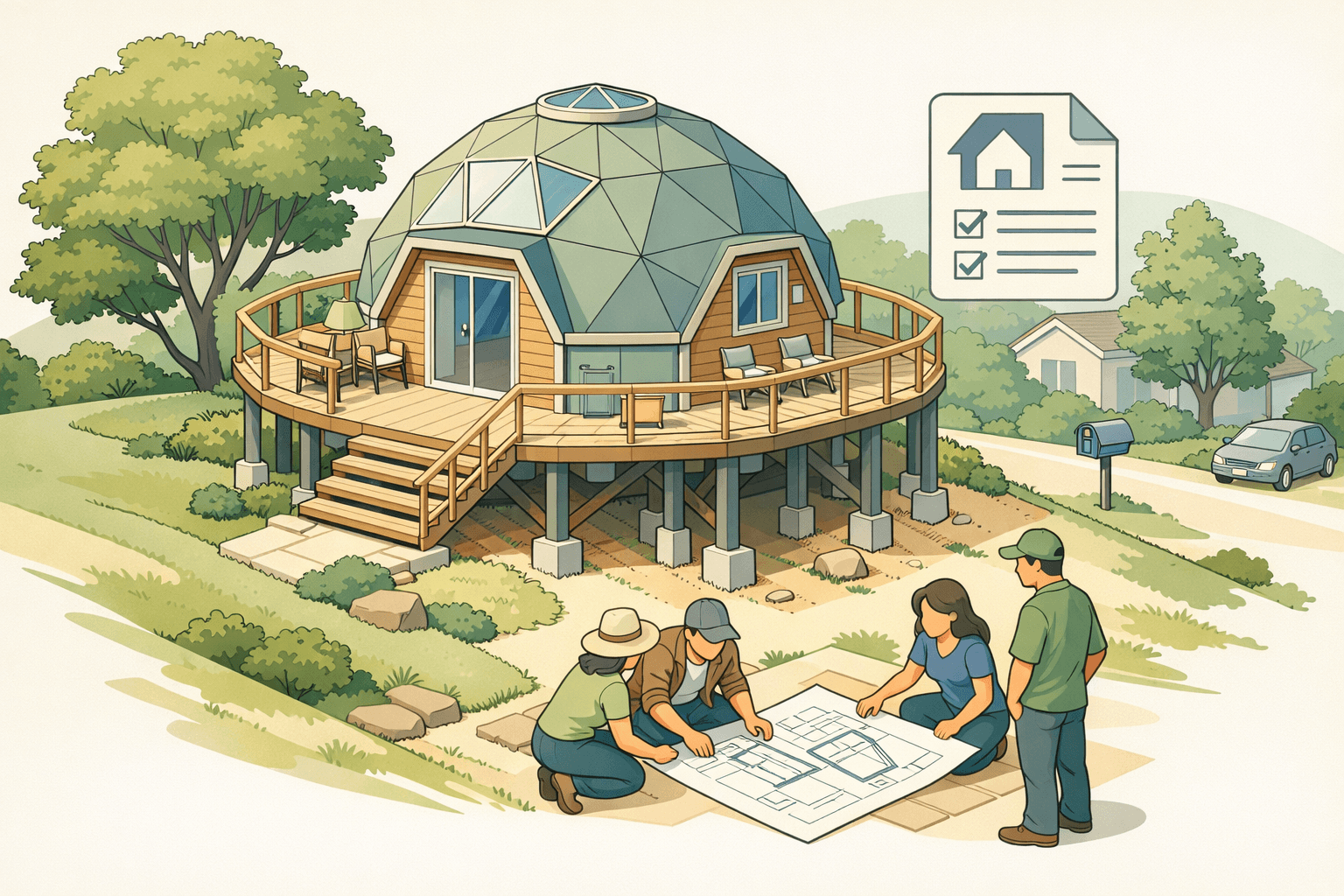
Geodesic dome homes are fascinating structures — energy-efficient, architecturally striking, and increasingly popular among buyers who want something different. But if you're a veteran or active-duty service member hoping to use your VA home loan benefit to purchase one, you may face some unique hurdles. The requirements for VA loan on a geodesic dome home with non-traditional foundation are more involved than financing a standard single-family residence. Understanding what the VA looks for — and how lenders evaluate these properties — can help you plan ahead and avoid costly surprises.
What Makes Geodesic Dome Homes Unique in the Eyes of Lenders
Geodesic dome homes are built using a network of triangular panels that form a roughly spherical shape. While they're known for their structural strength, energy efficiency, and reduced material waste, they fall outside the mold of what most mortgage lenders consider a standard property. This distinction matters greatly when you're seeking VA financing.
Most lenders — including those who originate VA loans — prefer properties that are easy to appraise and resell. A standard ranch or two-story colonial has plenty of comparable sales nearby. A geodesic dome, however, may have very few similar homes in the area, which makes it harder for appraisers to determine a reliable market value.
Beyond the shape of the structure itself, the foundation type adds another layer of complexity. Geodesic domes are sometimes built on non-traditional foundations such as earthen berms, pier systems, floating slabs, or concrete pads that don't conform to conventional full perimeter foundation standards. Each of these raises specific questions about long-term stability and structural integrity — two factors the VA takes very seriously.
Core VA Property Requirements Every Borrower Should Know
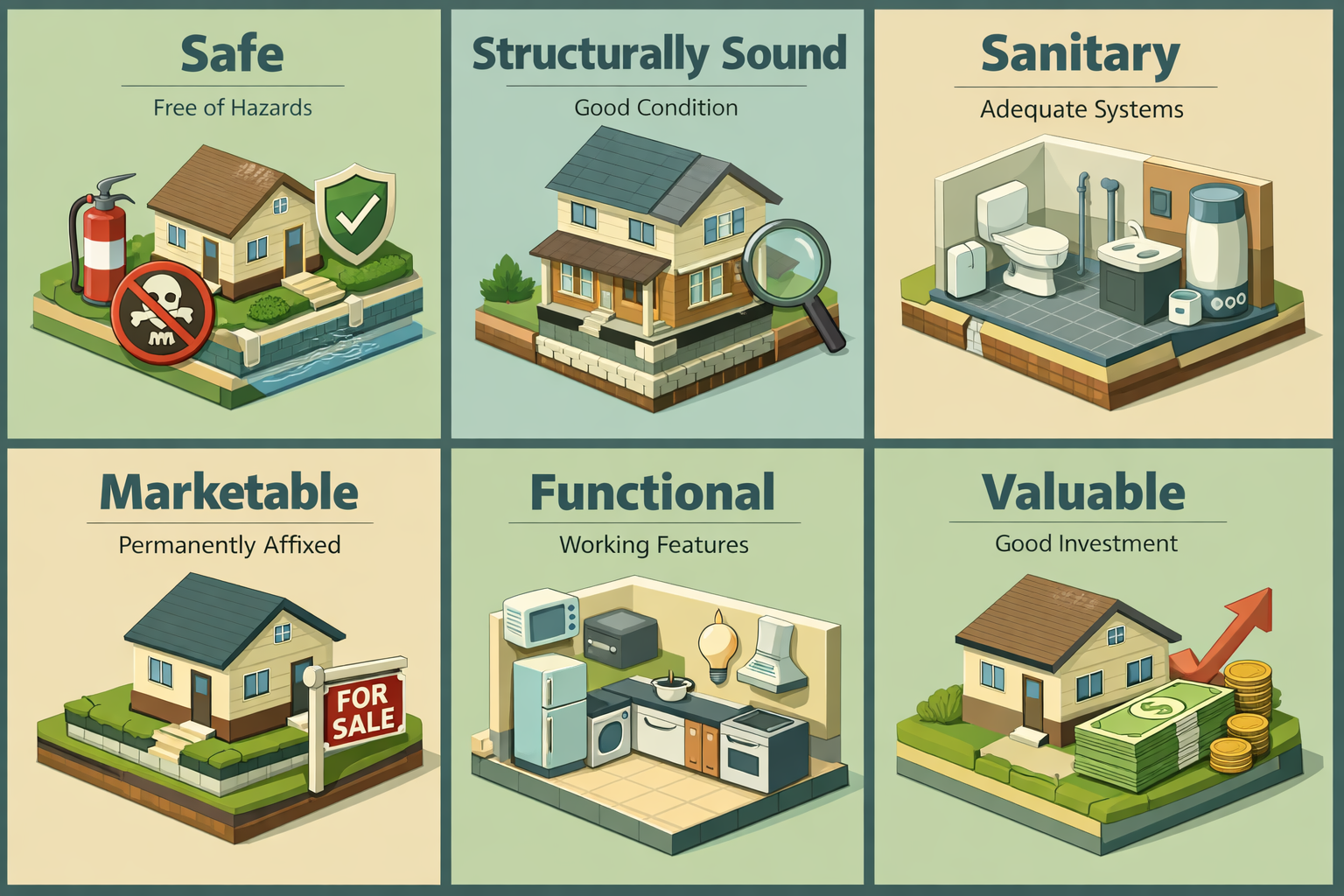
The Department of Veterans Affairs sets minimum property requirements (MPRs) that every home must meet before a VA loan can be approved. These standards are designed to protect veterans from purchasing homes that could be unsafe, unsound, or unmarketable. When evaluating geodesic dome VA loan eligibility, these MPRs take center stage.
According to VA guidelines, a property must meet the following general conditions:
- Safe: The home must be free of hazards that could affect the health and safety of occupants.
- Structurally sound: The foundation, roof, and overall structure must be in good condition and capable of withstanding normal loads.
- Sanitary: The property must have adequate water supply, sewage disposal, and heating systems.
- Marketable: The home must be a real property that is permanently affixed to a foundation.
For a geodesic dome, the structural soundness requirement is especially relevant. The VA will typically require an inspection and appraisal to confirm that the dome's unique construction doesn't compromise its long-term durability. If the home is built on a non-traditional foundation, additional documentation may be needed to demonstrate that it meets local building codes and engineer-certified stability standards.
How Non-Traditional Foundations Are Evaluated for VA Financing for Dome Properties
The foundation of a home is one of the most scrutinized elements in any VA loan appraisal. For conventional homes, a full perimeter concrete foundation is widely accepted. But geodesic domes often use alternative foundation systems — and this is where the requirements for VA loan on a geodesic dome home with non-traditional foundation become particularly detailed.
Common non-traditional foundation types associated with dome homes include:
- Concrete piers or posts: Vertical supports anchored into the ground, often used when terrain is uneven or when minimizing ground disruption is a priority.
- Monolithic or floating slabs: A single continuous pour of concrete that the structure rests on, common in warmer climates.
- Earthen or berm foundations: The dome is partially embedded in the ground, using the earth itself as part of the structural support system.
- Rubble trench foundations: A drainage-focused system using gravel-filled trenches as the base, popular in alternative construction.
The VA doesn't automatically disqualify any of these foundation types, but it does require that they be proven structurally sound. A VA-approved appraiser will assess whether the foundation is appropriate for the soil conditions, the local climate, and the specific load requirements of the dome structure. In many cases, a licensed structural engineer's report may be required to support the appraisal findings.
If the foundation doesn't meet VA standards as-is, the seller or buyer may need to make repairs or improvements before the loan can close. This could involve reinforcing the base, adding moisture barriers, or bringing the foundation into compliance with local building codes.
The Appraisal Challenge: Finding Comparable Sales for Dome Homes
One of the biggest practical obstacles in securing non-traditional home VA financing for a geodesic dome is the appraisal process. VA loans require a VA-assigned appraiser who must determine the home's fair market value based on recent, comparable sales — often called "comps" in real estate.
For a geodesic dome, finding true comps can be extremely difficult. There simply aren't many dome homes selling in most markets. Appraisers may need to look at properties with similar square footage, lot size, and location, but the unique form factor can still result in a lower-than-expected appraised value.
If the appraised value comes in below the purchase price, you'll face what's known as a VA appraisal gap. In this situation, you may need to:
- Negotiate a lower purchase price with the seller
- Pay the difference out of pocket (though this can limit the no-down-payment benefit)
- Request a reconsideration of value with additional comparable data
- Walk away from the deal if the numbers don't work
Working with a VA-experienced real estate agent who has dealt with non-traditional properties can be a real asset here. They may be able to identify useful comps or help you build a stronger case for the appraiser.
Lender Overlays and Why They Matter for Dome Home Financing
Even when a property technically meets VA minimum property requirements, individual lenders may impose their own stricter guidelines — known as lender overlays. These overlays can make it harder to finance a geodesic dome even if the VA itself doesn't object to the property.
Some lenders may be reluctant to finance dome homes due to:
- Concern about resale difficulty if the loan goes into default
- Limited experience with non-standard property appraisals
- Internal policies that exclude round, dome, or otherwise unusual structures
This means that even if you qualify as a borrower — good credit, sufficient income, valid Certificate of Eligibility — you might still face rejection at the lender level based on the property alone. The solution is to shop lenders carefully. Not all VA-approved lenders apply the same overlays, and some specialty lenders have more experience with non-traditional homes.
It's worth asking potential lenders directly whether they have any restrictions on geodesic dome properties or non-standard foundations before you get deep into the application process. This can save you significant time and frustration.
Steps to Improve Your Chances of VA Loan Approval on a Dome Home
Securing VA financing for a geodesic dome isn't impossible, but it does require careful preparation. Here are some practical steps that may improve your odds of a successful outcome:
- Get a structural engineer's report: Commission a professional assessment of the foundation and overall structure before applying. Having this documentation ready can streamline the appraisal process and give the lender greater confidence.
- Verify local building code compliance: Make sure the home was built with proper permits and meets all local codes. Unpermitted construction is a significant red flag for VA appraisers.
- Confirm permanent affixation: The VA requires that a home be permanently affixed to its foundation and classified as real property. Ensure the dome meets this standard legally and physically.
- Work with a VA-specialist lender: Choose a lender who has experience with non-traditional properties. They'll know what documentation is needed and how to navigate potential appraisal issues.
- Research your market for comps: Work with your real estate agent to compile a list of potentially comparable properties in advance, which can help support a fair appraisal value.
- Review your Certificate of Eligibility: Confirm your VA entitlement is in order before making an offer, so borrower-side eligibility isn't a last-minute concern.
Taking these steps proactively could make the difference between a smooth closing and a frustrating dead end. The more evidence you can provide that the home is safe, sound, and compliant, the better positioned you'll be.
●Conclusion
Purchasing a geodesic dome home with your VA benefit is a genuinely achievable goal — but it requires more groundwork than a standard home purchase. The requirements for VA loan on a geodesic dome home with non-traditional foundation center on structural soundness, foundation integrity, appraisal comparability, and lender willingness. By understanding these hurdles early and working with experienced professionals, you can give your application the best possible chance of success. At LoanWise, we're here to help veterans and service members navigate even the most complex financing scenarios. If you're exploring VA loan options for a unique property, reach out to our team today for personalized guidance.