
Essential Mortgage Pre-Approval Guide for Investors
Mortgage pre-approval serves as the foundation for successful real estate investing. When you're competing for investment properties or looking to secure DSCR loans, having your financing lined up beforehand can make the difference between closing a deal and losing it to another investor. The pre-approval process has evolved significantly, with lenders now asking more detailed questions about your financial profile and investment strategy. Understanding what lenders expect and how to position yourself favorably can help you secure better terms and move quickly when the right opportunity presents itself.
Key Financial Documents Lenders Require
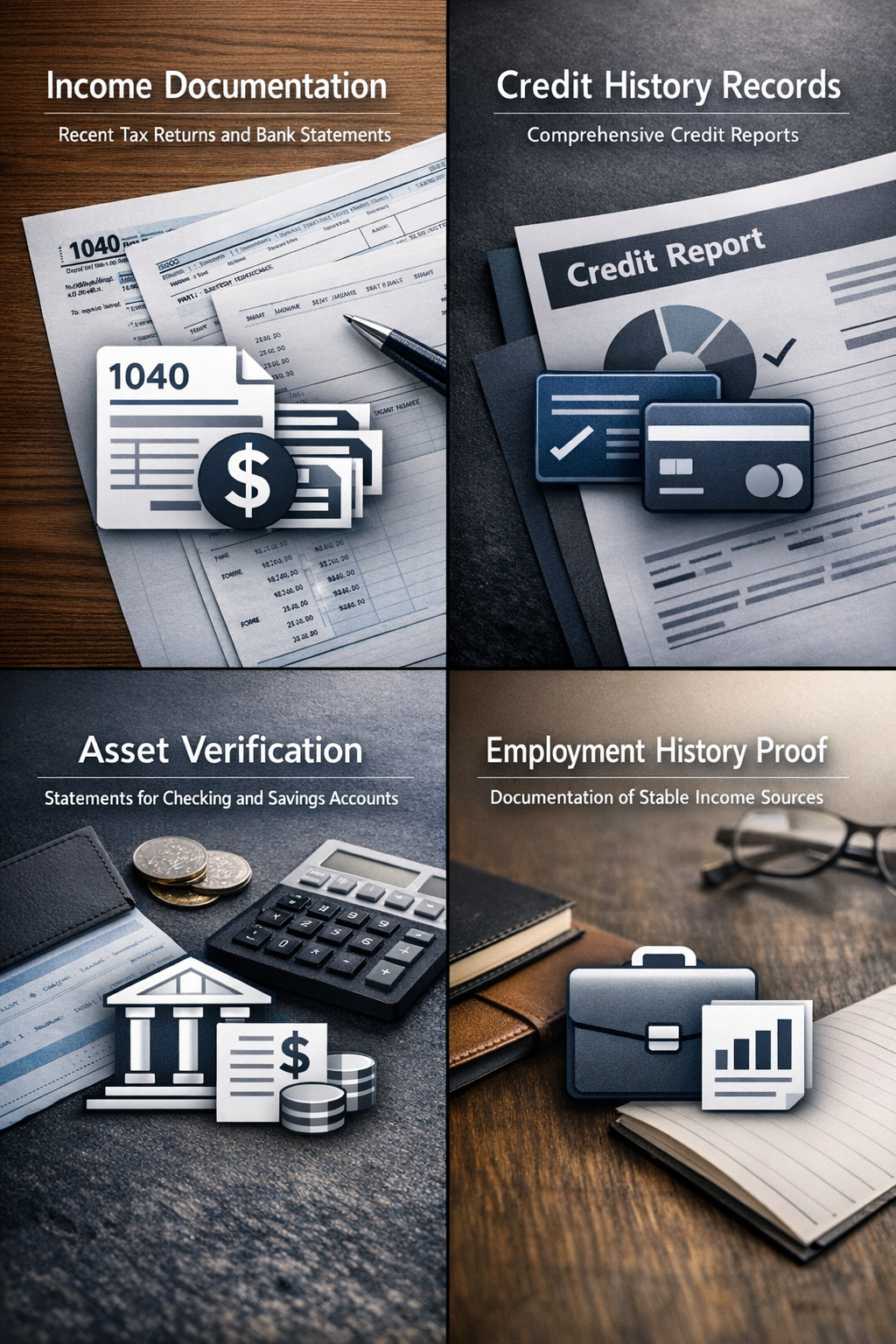
Key financial documents lenders require form the backbone of your mortgage pre-approval application. Lenders typically evaluate multiple aspects of your financial situation to determine your eligibility for investment properties financing.
- Income Documentation: Recent tax returns, profit and loss statements, and bank statements showing consistent cash flow patterns that support your ability to service debt on investment properties
- Credit History Records: Comprehensive credit reports demonstrating your payment history and current debt obligations, which directly impact the interest rates and terms you may qualify for
- Asset Verification: Statements for checking, savings, and investment accounts that prove you have sufficient reserves for down payments and unexpected expenses on rental properties
- Employment History Proof: Documentation showing stable income sources, whether from traditional employment, self-employment, or existing rental property income streams
How Lender Questions Have Evolved in 2024
How lender questions have evolved in 2024 reflects the changing landscape of real estate investment financing. Mortgage lenders are now asking more sophisticated questions during the pre-approval process to better assess risk and investment strategy.
- Investment Strategy Assessment: Lenders may ask about your experience with fix and flip projects, rental property management, and long-term investment goals to gauge your expertise level
- Market Knowledge Evaluation: Questions about local market conditions, property values, and rental rates in your target areas help lenders understand your market awareness
- Financial Stress Testing: Lenders might inquire about your ability to handle vacancy periods, major repairs, and market downturns when evaluating DSCR loan applications
- Portfolio Analysis: Questions about your existing real estate investments, their performance, and your overall portfolio diversification strategy have become more common
Timeline and Process Expectations
Timeline and process expectations for mortgage pre-approval can vary significantly depending on your specific situation and the type of investment financing you're seeking. Understanding these timelines helps you plan your investment strategy more effectively.
- Initial Application Processing: Basic pre-approval applications typically take 3-5 business days once you submit all required documentation, though complex investment scenarios may require additional time
- Document Review Period: Lenders often need 7-10 days to thoroughly review financial statements, especially for self-employed investors or those with multiple income streams
- Verification Timeframes: Employment verification, asset confirmation, and credit checks usually add another 2-3 business days to the overall timeline
- Final Pre-Approval Letter: Once approved, your pre-approval letter typically remains valid for 60-90 days, giving you a window to make offers on investment properties with confidence
Common Pre-Approval Challenges for Investors
Common pre-approval challenges for investors often stem from the unique nature of real estate investment financing compared to traditional homebuyer mortgages. These challenges require specific strategies to address effectively.
- Complex Income Structures: Self-employed investors or those with multiple rental properties may face difficulty proving consistent income, requiring detailed financial documentation and explanations
- Debt-to-Income Calculations: Existing mortgage payments on investment properties can impact your debt-to-income ratio, potentially limiting your borrowing capacity for additional acquisitions
- Property Type Restrictions: Some lenders have specific requirements or limitations on property types they'll finance, which might affect your investment strategy
- Down Payment Requirements: Investment property loans typically require higher down payments than primary residences, which can strain your available capital for multiple deals
Steps to Improve Your Pre-Approval Chances
Steps to improve your pre-approval chances involve strategic preparation and financial positioning before you approach lenders. Taking these actions can significantly enhance your ability to secure favorable terms.
- Organize Financial Records: Compile comprehensive documentation including tax returns, bank statements, and rental income records for the past two years to demonstrate financial stability
- Strengthen Credit Profile: Review your credit reports, address any discrepancies, and consider paying down existing debts to improve your credit score and debt-to-income ratio
- Build Cash Reserves: Accumulate sufficient funds for down payments, closing costs, and several months of property expenses to show lenders you're prepared for investment challenges
- Document Investment Experience: Prepare a summary of your real estate investment history, including property performance and management experience, to demonstrate your competence as an investor
- Research Appropriate Lenders: Identify mortgage lenders who specialize in investment property financing and understand products like DSCR loans that might better financing terms suit your needs than traditional mortgages
●Conclusion
Mortgage pre-approval represents a critical step in building a successful real estate investment portfolio. By understanding what lenders expect, preparing comprehensive documentation, and positioning yourself as a knowledgeable investor, you can streamline the financing process and capitalize on opportunities more effectively. The evolving nature of lender requirements means staying informed about current expectations and maintaining strong financial records becomes increasingly important. Remember that pre-approval is not just about qualifying for a loan, it's about positioning yourself to secure the best possible terms for your investment strategy. With proper preparation and the right approach, you can navigate the pre-approval process confidently and focus on what matters most: finding and acquiring profitable investment properties.