
Smart Mortgage Payment Scheduling for Investors
Understanding your mortgage payment schedule is crucial for real estate investors managing multiple properties and financing options. Whether you're working with DSCR loans, fix and flip financing, or traditional rental property mortgages, a well-structured payment schedule can significantly impact your cash flow and long-term investment returns. Creating a mortgage payment schedule involves more than just knowing your monthly payment amount. It requires understanding how principal, interest, taxes, and insurance work together to affect your investment strategy.
Smart investors use payment schedules to time acquisitions, plan refinances, and maximize their portfolio's profitability. With DSCR loan requirements evolving and new lending thresholds being announced, staying on top of your payment obligations becomes even more critical for maintaining strong relationships with lenders and securing future financing opportunities.
Essential Components of Investment Property Payment Schedules
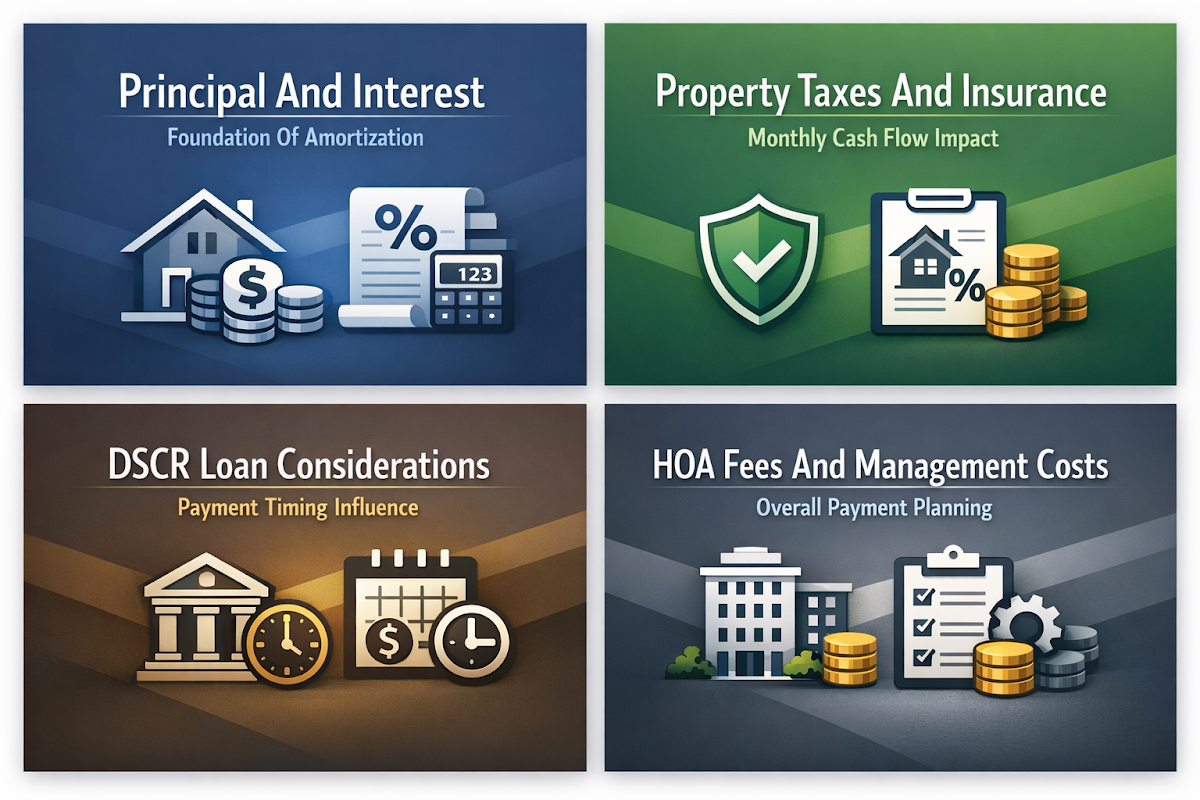
Essential components of investment property payment schedules extend beyond basic monthly payments to include strategic elements that impact your investment returns. Understanding these components helps investors make informed decisions about their financing structure.
- Principal and interest calculations: These form the foundation of your amortization schedule and directly affect your equity building over time
- Property taxes and insurance escrow: These amounts may fluctuate annually and can significantly impact your monthly cash flow requirements
- DSCR loan considerations: Debt service coverage ratios might influence your payment timing and refinancing opportunities
- HOA fees and property management costs: While not part of the mortgage payment, these should be integrated into your overall payment schedule planning
Monthly Mortgage Payment Breakdown Strategies
Monthly mortgage payment breakdown strategies help investors optimize their cash flow and maximize returns on their real estate investments. Understanding how each component affects your bottom line enables better financial planning.
- Interest-heavy early payments: Early years typically see more money going toward interest, which may provide tax advantages for investors
- Principal acceleration opportunities: Later in the loan term, more payment goes toward principal, building equity faster
- Tax and insurance adjustments: Annual escrow analyses might require payment adjustments that affect your cash flow projections
- DSCR impact calculations: Your payment breakdown directly affects debt service coverage ratios for future loan applications
Amortization Schedule Planning for Rental Properties
Amortization schedule planning for rental properties requires careful consideration of how payment timing aligns with your investment goals and cash flow needs. Different amortization strategies can significantly impact your long-term wealth building.
- 30-year vs shorter terms: Longer amortization typically means lower monthly payments but higher total interest costs over the loan life
- Interest-only periods: Some investment loans offer initial interest-only payments to maximize cash flow during property stabilization
- Balloon payment considerations: Bridge loans and some DSCR products may include balloon payments that require refinancing or sale strategies
- Refinancing timing optimization: Understanding your amortization schedule helps identify optimal refinancing windows to reduce costs or extract equity
Strategic Extra Payment Implementation
Strategic extra payment implementation can dramatically reduce the total interest paid over your loan term while building equity faster in your investment properties. However, the decision to make extra payments should align with your overall investment strategy.
- Analyze opportunity costs: Compare the interest saved against potential returns from investing extra funds in additional properties or improvements
- Target high-interest loans first: If managing multiple properties, prioritize extra payments on loans with the highest interest rates
- Consider prepayment penalties: Some investment loans include prepayment penalties that could offset the benefits of extra payments
- Time payments strategically: Extra principal payments early in the loan term typically provide the greatest long-term savings
DSCR Loan Payment Optimization Techniques
DSCR loan payment optimization techniques focus on maintaining strong debt service coverage ratios while maximizing cash flow from your investment properties. These specialized loans require specific payment strategies to ensure continued qualification for future financing.
- Maintain minimum DSCR requirements: Ensure your property income consistently covers debt service payments by the required ratio, typically 1.0 or higher
- Plan for rate adjustments: If using adjustable-rate DSCR loans, budget for potential payment increases and their impact on your coverage ratio
- Coordinate with rent increases: Time rent adjustments to improve your DSCR before loan renewals or when applying for additional financing
- Monitor property performance: Regular analysis of rental income versus debt service helps identify properties that may need attention or refinancing
Key Takeaway for Investment Success
Successful real estate investors understand that creating a mortgage payment schedule goes far beyond calculating monthly obligations. It's about strategically aligning your financing structure with your investment goals, cash flow requirements, and long-term wealth-building objectives. The impact of extra payments on mortgage terms, the intricacies of amortization schedules, and the specific requirements of DSCR loans all play crucial roles in your success. By mastering these payment schedule fundamentals, investors can optimize their portfolios, maintain strong lender relationships, and position themselves for continued growth. Whether you're managing fix and flip projects with bridge financing or building a rental portfolio with DSCR loans, disciplined payment schedule management forms the foundation of sustainable real estate investment success.
●Conclusion
Mastering mortgage payment schedules is essential for real estate investors who want to optimize their financing strategy and maximize returns. Understanding the monthly mortgage payment breakdown, amortization schedules, and the strategic impact of extra payments helps investors make informed decisions about their portfolio management. As DSCR loan requirements continue to evolve and new lending thresholds are implemented, staying informed about payment schedule optimization becomes even more critical.
The key to successful payment schedule management lies in aligning your financing structure with your investment objectives. Whether you're using DSCR loans for rental properties, bridge financing for fix and flip projects, or traditional mortgages for long-term holds, a well-planned payment strategy supports both immediate cash flow needs and long-term wealth building. Take time to analyze your current payment schedules and consider how strategic adjustments might enhance your investment performance.