Complete Construction Home Mortgage Guide
Securing a mortgage for a new construction home presents unique opportunities and challenges for real estate investors. Unlike purchasing existing properties, construction financing typically involves a more complex process with specialized loan products designed to accommodate the building timeline and associated risks.
For investors looking to develop rental properties or flip newly constructed homes, understanding the nuances of construction financing can make the difference between a profitable project and a costly mistake. The process often requires different qualification criteria, payment structures, and risk management strategies compared to traditional investment property loans.
Understanding Construction Loan Fundamentals
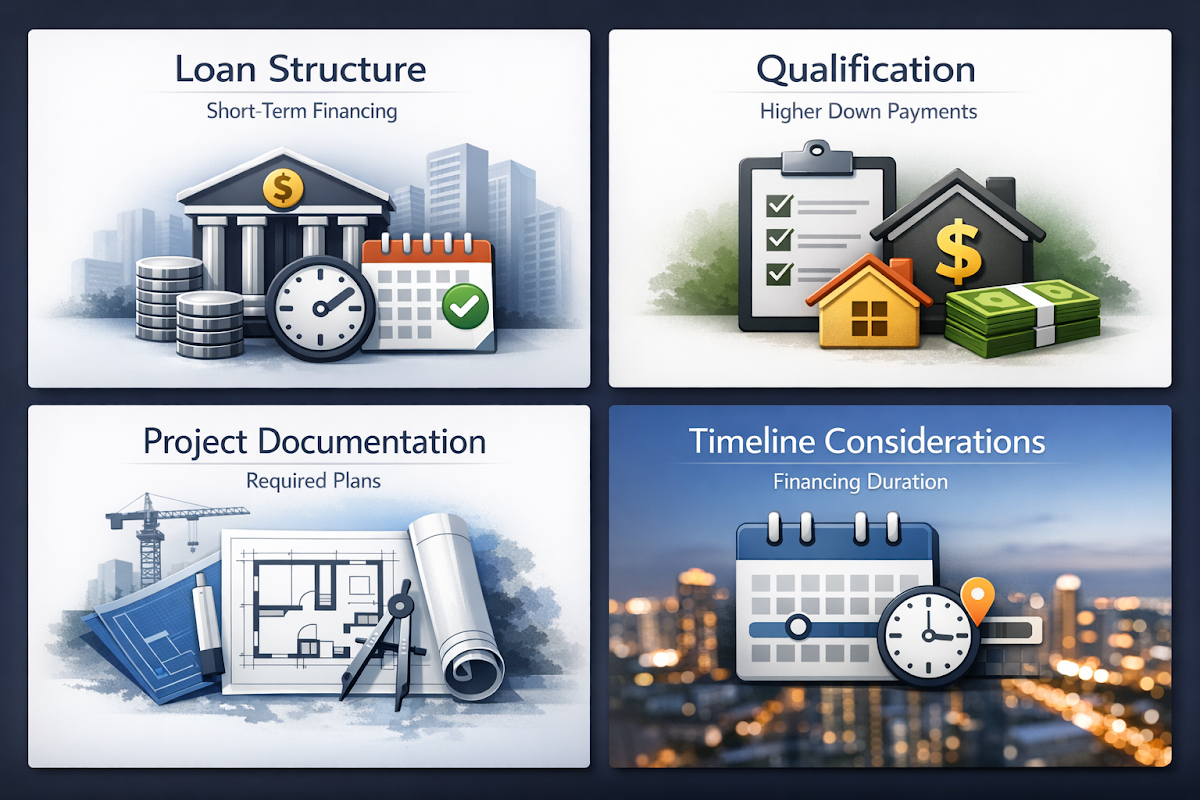
Understanding construction loan fundamentals is crucial for investors entering the new construction market. These specialized financing products differ significantly from conventional mortgages in structure and requirements.
- Loan Structure Assessment: Construction loans typically operate as short-term financing during the building phase, often converting to permanent mortgages upon completion. This two-phase approach may require separate qualification processes and different interest rate structures.
- Qualification Requirements: Lenders often require higher down payments for construction projects, sometimes ranging from 20% to 30% of the total project cost. Credit score requirements might be more stringent than traditional investment property loans.
- Project Documentation: Comprehensive construction plans, contractor licenses, building permits, and detailed cost estimates are typically required before loan approval. The lender may also require proof of the contractor's experience and financial stability.
- Timeline Considerations: Construction loans usually have terms of 6 to 18 months, depending on project complexity. Investors must plan for potential delays that could extend financing costs.
Draw Schedule Management Process
Draw schedule management process determines how construction funds are released throughout the building timeline. This system protects both lenders and investors by ensuring funds align with completed work.
- Initial Draw Preparation: The first draw typically covers land purchase and initial site preparation costs. Investors should prepare detailed documentation showing completion of foundation work and any required inspections.
- Progress-Based Releases: Subsequent draws are usually tied to specific construction milestones such as framing completion, roofing, electrical rough-in, and final inspections. Each phase may require professional inspections before fund release.
- Documentation Requirements: Each draw request typically requires contractor invoices, lien waivers, inspection reports, and photographic evidence of completed work. Proper documentation can prevent delays in fund disbursement.
- Reserve Management: Lenders often withhold a percentage of each draw as a contingency reserve, usually released upon final project completion and certificate of occupancy.
Permanent Financing Transition Steps
Permanent financing transition steps guide the conversion from construction loans to long-term investment property financing. This phase requires careful coordination to ensure seamless funding continuation.
- Pre-Conversion Planning: Investors should begin permanent loan applications before construction completion to avoid funding gaps. This might involve qualifying for debt-service coverage ratio loans if the property will generate rental income.
- Final Inspection Coordination: The transition typically requires final building inspections, certificate of occupancy, and completion of any punch list items. Timing these requirements helps prevent conversion delays.
- Rate Lock Considerations: Interest rates for permanent financing might differ from construction loan rates. Investors should understand rate lock options and timing to optimize their long-term financing costs.
- Loan Product Selection: The permanent loan might offer different product options such as DSCR loans for rental properties or bridge financing for flip projects, depending on the investor's strategy.
Key Risk Management Factors
Key risk management factors help investors navigate the complexities and potential challenges of construction financing. Understanding these elements can prevent costly setbacks and protect investment returns.
- Cost Overrun Protection: Construction projects may experience budget increases due to material costs, change orders, or unforeseen site conditions. Investors should maintain contingency reserves and understand how additional funding might be accessed.
- Timeline Risk Assessment: Weather delays, permit issues, or contractor problems can extend construction timelines. Extended timelines might increase interest costs and delay revenue generation for rental properties.
- Contractor Performance: The builder's experience, financial stability, and track record directly impact project success. Investors should verify contractor credentials, insurance coverage, and previous project outcomes.
- Market Condition Changes: Property values or rental market conditions might shift during construction. Investors should consider how market changes could affect their exit strategy or long-term investment returns.
Alternative Financing Options
Alternative financing options provide investors with additional pathways to fund new construction projects when traditional construction loans might not align with their investment strategy or qualification profile.
- Private Money Lending: Private lenders might offer more flexible terms for construction projects, potentially faster approval processes, and less stringent documentation requirements. However, interest rates are typically higher than traditional bank financing.
- Portfolio Lender Programs: Some regional banks and credit unions offer portfolio construction loans with customized terms. These lenders might be more willing to work with local investors and consider unique project circumstances.
- Bridge Loan Solutions: Short-term bridge financing can provide quick funding for time-sensitive construction opportunities. This option might work well for experienced investors with multiple properties as collateral.
- Partnership Structures: Joint ventures with other investors or contractors can provide alternative funding sources while sharing risks and expertise. These arrangements might reduce individual capital requirements while maintaining investment returns.
●Conclusion
Securing a mortgage for a new construction home requires careful planning, thorough preparation, and understanding of specialized financing products. Real estate investors who master the construction loan process, manage draw schedules effectively, and plan for permanent financing transitions position themselves for successful project outcomes.
The construction financing landscape offers various options for different investor profiles and project types. Whether pursuing DSCR loans for rental property development or bridge financing for construction-to-flip strategies, investors should evaluate multiple financing sources and maintain flexibility in their approach.
Success in construction financing often depends on working with experienced contractors, maintaining adequate reserves, and understanding the unique risks associated with ground-up development. Investors who approach construction projects with proper preparation and realistic expectations can capitalize on the opportunities that new construction presents in today's real estate market.