
Homeownership in America isn't limited to U.S. citizens. Many non-citizens, including immigrants and foreign nationals, can pursue their dream of owning property through specialized financing programs. ITIN loans represent a vital pathway for individuals who don't have Social Security numbers but possess Individual Taxpayer Identification Numbers. These alternative mortgage solutions bridge the gap between traditional lending requirements and the diverse needs of today's homebuying market, opening doors for qualified borrowers who might otherwise face significant barriers to homeownership.
Understanding ITIN Loan Programs
Individual Taxpayer Identification Number loans serve borrowers who file taxes using ITINs rather than Social Security numbers. These specialized mortgage products recognize that creditworthy individuals exist beyond traditional identification frameworks. Lenders offering these programs evaluate borrowers using alternative documentation and assessment methods.
The programs typically accommodate various property types, including primary residences, second homes, and investment properties. Unlike conventional mortgages that rely heavily on Social Security-based credit reporting, ITIN loans may consider alternative credit histories, banking relationships, and payment patterns to assess borrower creditworthiness.
Many financial institutions have developed robust underwriting guidelines specifically for ITIN borrowers. These guidelines often incorporate factors such as employment history, tax filing consistency, and asset accumulation patterns to paint a comprehensive picture of a borrower's financial stability and repayment capacity.
Qualification Requirements and Documentation
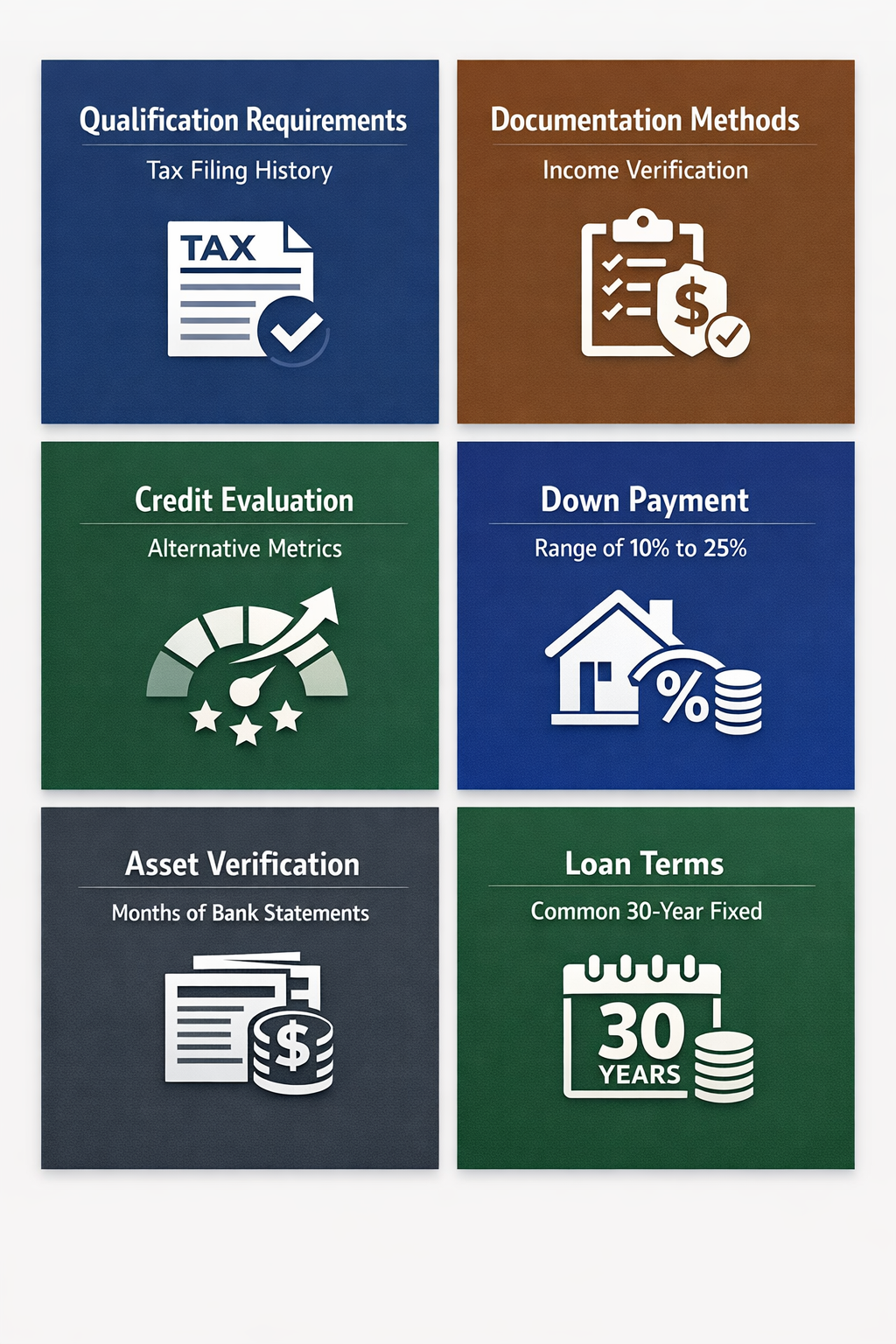
ITIN loan qualification typically requires consistent tax filing history, usually spanning two to three years. Borrowers must demonstrate stable income through various documentation methods, including tax returns, bank statements, and employment verification letters. Some lenders accept alternative income documentation such as profit and loss statements for self-employed applicants.
Credit evaluation for ITIN loans often differs from traditional approaches. Lenders might review utility payments, rent history, insurance payments, and other recurring obligations to establish creditworthiness. Some programs accept credit references from the borrower's home country or alternative credit reporting agencies.
Down payment requirements vary by lender and program, but typically range from 10% to 25% of the purchase price. Higher down payments might help offset perceived risk factors and could lead to more favorable loan terms. Asset verification usually requires several months of bank statements and documentation of fund sources.
Interest Rates and Loan Terms
ITIN loan interest rates generally reflect the specialized nature of these programs. Rates might be slightly higher than conventional mortgages, though competitive options exist for well-qualified borrowers. The rate differential often depends on factors such as down payment size, credit profile strength, and overall loan risk assessment.
Loan terms typically mirror conventional mortgages, with 30-year fixed-rate options being common. Some lenders offer 15-year terms or adjustable-rate mortgages for borrowers seeking different payment structures. The availability of specific terms often depends on the lender's program guidelines and the borrower's qualification profile.
Many ITIN loan programs include prepayment flexibility, allowing borrowers to pay down principal faster without penalties. This feature can be particularly valuable for borrowers who anticipate income growth or wish to build equity more rapidly in their properties.
Benefits and Advantages
The primary advantage of ITIN loans lies in their accessibility to borrowers who might not qualify for traditional financing. These programs recognize that financial responsibility and creditworthiness extend beyond conventional metrics, opening homeownership opportunities to a broader population.
Many ITIN loan programs offer flexibility in income documentation and credit evaluation. This approach can benefit self-employed borrowers, recent immigrants building U.S. credit history, or individuals with non-traditional income sources. The programs often consider the totality of a borrower's financial picture rather than relying solely on credit scores.
Property ownership through ITIN loans can provide stability and potential appreciation benefits. Homeownership often represents a significant step toward financial security and can serve as a foundation for building wealth over time. Additionally, mortgage interest and property tax deductions may provide tax benefits for qualifying borrowers.
Application Process and Timeline
The ITIN loan application process typically begins with pre-qualification discussions to assess borrower eligibility and program suitability. Borrowers should gather necessary documentation early, including tax returns, bank statements, employment verification, and any alternative credit documentation that might strengthen their application.
Processing timelines for ITIN loans might be slightly longer than conventional mortgages due to additional documentation review and specialized underwriting requirements. Borrowers should typically allow 45 to 60 days for complete processing, though timelines can vary based on documentation completeness and lender capacity.
Working with experienced loan officers familiar with ITIN programs can streamline the process significantly. These professionals understand the nuances of alternative documentation and can guide borrowers through requirement fulfillment and timeline management effectively.
Choosing the Right Lender
Selecting an appropriate lender for ITIN loans requires careful consideration of program offerings, experience levels, and service quality. Not all lenders offer ITIN programs, so borrowers should focus on institutions with demonstrated expertise in alternative mortgage products and non-traditional borrower populations.
Key evaluation factors include interest rate competitiveness, program flexibility, documentation requirements, and customer service quality. Borrowers should compare multiple lenders to understand available options and identify the best fit for their specific circumstances and goals.
Lender reputation and track record with ITIN loans can provide valuable insights into service quality and program reliability. Reading reviews, seeking referrals, and evaluating lender responsiveness during initial consultations can help borrowers make informed decisions about their financing partners.
Long-term Considerations and Refinancing
ITIN loan borrowers should consider their long-term financial goals and potential refinancing opportunities. As credit profiles strengthen and circumstances change, borrowers might qualify for more favorable terms through refinancing or loan modification programs.
Building U.S. credit history while maintaining an ITIN loan can improve future financing options. Consistent mortgage payments, along with other positive credit activities, can enhance creditworthiness and potentially lead to better refinancing opportunities down the road.
Property value appreciation and principal paydown can create equity that might facilitate future financial opportunities. This equity can potentially be accessed through home equity loans, cash-out refinancing, or other financial products as borrowers' situations evolve and their relationships with U.S. financial institutions mature.
●Conclusion
ITIN loans represent an important bridge to homeownership for non-citizens and individuals without Social Security numbers. These specialized mortgage programs recognize that creditworthiness and financial responsibility exist across diverse populations, providing pathways to property ownership that might not otherwise be available. While these loans may involve different requirements and potentially higher costs than conventional mortgages, they offer valuable opportunities for qualified borrowers to achieve their homeownership goals. Success with ITIN loans typically depends on thorough preparation, working with experienced lenders, and maintaining realistic expectations about terms and timelines. For non-citizens seeking homeownership opportunities, ITIN loans could provide the financing solution needed to turn real estate dreams into reality.