
The tattoo industry has grown into a thriving, multi-billion-dollar market, and more artists than ever are choosing the flexibility of a mobile setup over a traditional brick-and-mortar shop. Whether you're envisioning a custom-built trailer, a converted van, or a pop-up studio that travels to events and festivals, the startup costs can add up quickly. That's where smart financing comes in. Knowing how to secure equipment financing for a portable tattoo studio can be the difference between keeping your creative vision on hold and hitting the road fully equipped. This guide walks small business owners and entrepreneurial tattoo artists through the lending landscape, so you can make an informed decision and move forward with confidence.
What Does a Portable Tattoo Studio Actually Cost?
Before approaching any lender, it's helpful to have a clear picture of your total startup expenses. A portable tattoo studio typically involves a range of costs that go well beyond just your machines and needles. Depending on the scale and style of your setup, you might be looking at expenses that include:
- Vehicle or trailer purchase: A converted cargo van or custom trailer can range from a modest used vehicle to a fully outfitted professional unit costing tens of thousands of dollars.
- Tattoo equipment: Professional-grade tattoo machines, power supplies, autoclave sterilization units, and lighting can represent a significant upfront investment.
- Interior buildout: Sanitary surfaces, furniture, plumbing for handwashing stations, and ventilation systems are often required to meet health and safety regulations.
- Licensing and permits: Many states and municipalities require mobile tattoo businesses to obtain specific health department approvals, which may involve inspection fees.
- Branding and marketing materials: Wraps, signage, and a professional online presence help attract clients on the go.
When you add these costs together, the total investment for a well-equipped mobile studio could range from roughly $15,000 on the low end to well over $80,000 for a premium setup. That's a wide range, which is why exploring the right mobile business equipment loan early in your planning process is so important.
Understanding Your Equipment Financing Options
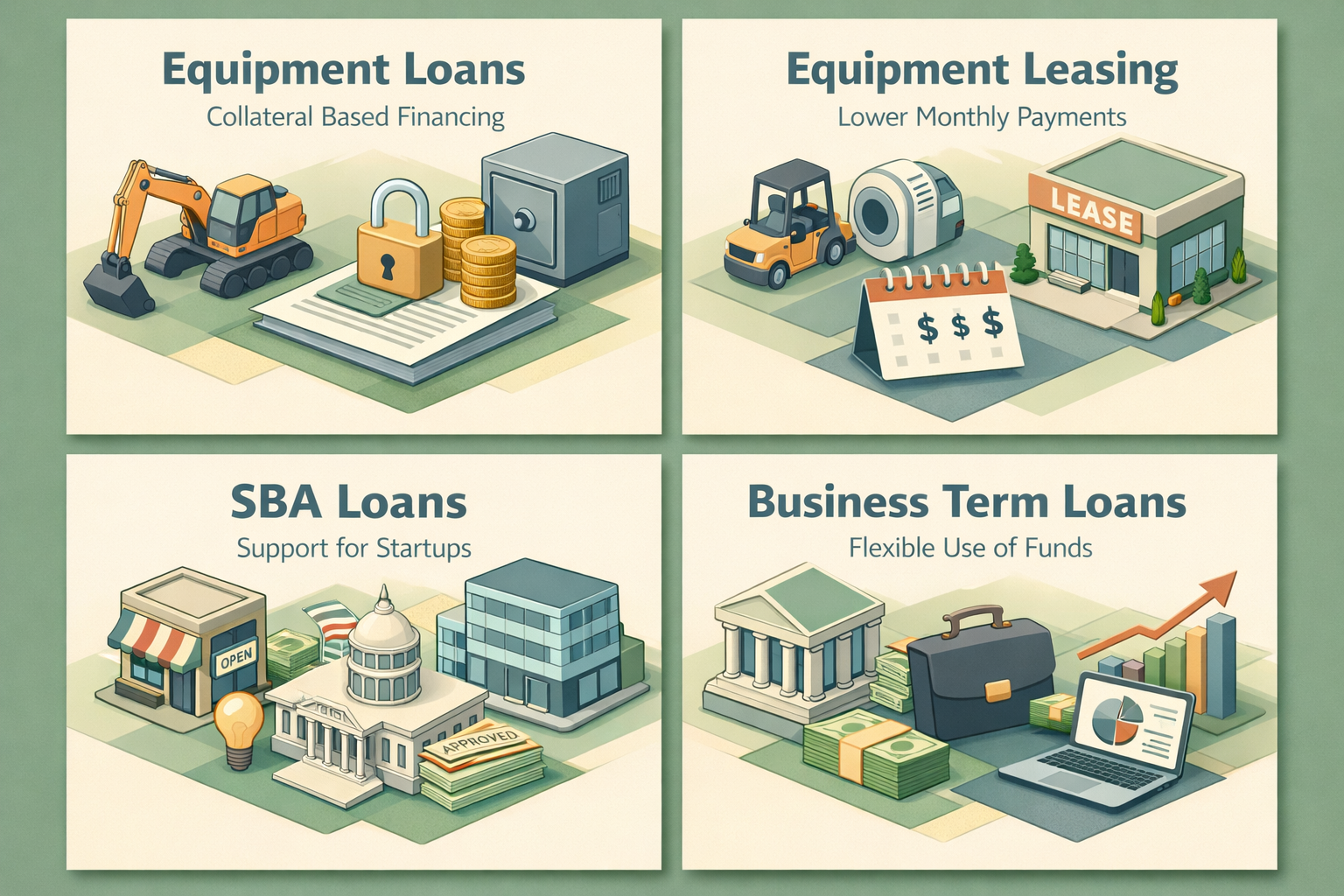
There's no single loan product designed exclusively for mobile tattoo studios, but several financing options may be well-suited to your needs. Understanding how each works can help you choose the path that fits your business stage and financial profile.
Equipment Loans
An equipment loan is one of the most straightforward options. With this type of financing, the equipment itself — whether that's your tattoo machines, autoclave, or even the vehicle — often serves as collateral for the loan. This can make approval somewhat more accessible compared to unsecured loans, since lenders have an asset to back the debt. Repayment terms typically range from two to seven years, and interest rates vary based on your creditworthiness and the lender's policies.
Equipment Leasing
If you'd prefer lower monthly payments and the option to upgrade your gear over time, leasing might be worth considering. With a lease, you pay to use the equipment for a set period rather than purchasing it outright. At the end of the term, you may have the option to buy, return, or upgrade. This structure can be attractive for tattoo artists who want to stay current with technology without committing to a long-term purchase.
SBA Loans for Small Business Startups
The U.S. Small Business Administration offers several loan programs that may be relevant to entrepreneurs in the creative services sector. SBA 7(a) loans, for instance, can be used for a broad range of business purposes including equipment purchases. SBA Microloans — which typically offer amounts up to $50,000 — might be especially appropriate for tattoo artist startup funding, since they're designed to help newer and smaller businesses access capital that traditional banks might hesitate to provide. Keep in mind that SBA loans often require a solid business plan and may take longer to process than other options.
Business Term Loans
A conventional business term loan from a bank, credit union, or online lender provides a lump sum that you repay over a fixed schedule. These loans offer flexibility in how the funds are used, making them useful if you need to cover both equipment and buildout costs simultaneously. Approval criteria typically include your credit score, time in business, and revenue history — factors that newer businesses should prepare for carefully.
How Lenders Evaluate Mobile Business Loan Applications
Lenders assess risk before approving any financing, and understanding what they look for can help you put your best foot forward. For a mobile service business like a portable tattoo studio, here are the key factors that typically come into play:
Personal and Business Credit Scores
Your personal credit score is often a primary factor, especially if your business is relatively new and hasn't established its own credit profile yet. Many lenders look for a score of at least 600 to 650 for equipment-based loans, though some alternative lenders may work with lower scores at higher interest rates. Building or repairing your credit before applying could improve both your approval odds and your loan terms.
Time in Business
Lenders generally prefer businesses that have been operating for at least one to two years. Startups may face more scrutiny, but some lenders — particularly online lenders and microloan programs — do cater to newer businesses. If you're just launching, be prepared to present a detailed business plan that demonstrates market demand, projected revenue, and a realistic path to profitability.
Business Revenue and Cash Flow
Even if your studio is mobile, lenders want to see evidence that your business generates consistent income. Bank statements, tax returns, and client booking records can all help demonstrate financial stability. If you've been working as a freelance tattoo artist and can show a history of earnings, that income history may be used to support your application even if the formal business entity is new.
Collateral
For equipment loans specifically, the equipment being financed often serves as its own collateral. However, lenders may also look at other business or personal assets depending on the loan size. Understanding what you're willing to pledge — and what the lender requires — is an important part of the conversation.
Preparing a Strong Application for Tattoo Artist Startup Funding
A well-prepared loan application can significantly improve your chances of approval and may even lead to better terms. Here's how to set yourself up for success before you submit anything to a lender.
Write a Detailed Business Plan
A business plan isn't just a formality — it's your opportunity to show lenders that you've thought through every aspect of your mobile studio. Include your target market, competitive landscape, pricing strategy, projected revenue, and operating expenses. Be specific about the equipment you plan to purchase and why it's essential to your business operations.
Gather Your Financial Documents
Most lenders will ask for some combination of the following: personal and business tax returns, bank statements from the last three to six months, a profit and loss statement if applicable, and any existing business licenses or permits. Having these organized and ready to go shows lenders that you're a serious, prepared borrower.
Get Quotes for the Equipment You Need
Having actual vendor quotes for the equipment you want to finance adds credibility to your application. It shows that you've done your homework and gives the lender a clear picture of how the funds will be used. For a portable tattoo studio, this might include quotes for a trailer or vehicle, sterilization equipment, tattoo machines, and interior buildout materials.
Consider a Co-Signer if Needed
If your credit history is limited or your business is brand new, a co-signer with stronger credit may help you qualify or secure a lower interest rate. This is a significant commitment for both parties, so it's worth having an honest conversation about the risks involved before moving forward.
Where to Find Lenders Who Work With Creative Service Entrepreneurs
Not every lender is equally comfortable financing niche or mobile businesses, so it pays to shop around. Here are some of the most promising places to look when you're ready to pursue how to secure equipment financing for a portable tattoo studio.
Online Lenders and Fintech Platforms
Online lenders have become increasingly popular among small business owners because of their streamlined application processes and often faster funding timelines. Many online platforms are more willing than traditional banks to work with newer businesses or those in creative service industries. The trade-off is that interest rates may be higher, so it's important to compare total loan costs — not just monthly payments.
Community Banks and Credit Unions
Local financial institutions often have more flexibility in their underwriting than national banks, and they may be more familiar with your local market and business environment. A credit union, in particular, may offer competitive rates and a more personalized lending experience for members who are starting a business in their community.
SBA-Approved Lenders
If you're interested in SBA loan programs, you'll need to work through an SBA-approved lender. The SBA's website maintains a lender match tool that can help connect you with participating lenders in your area. For tattoo artist startup funding, the SBA Microloan program may be particularly worth exploring, as it's specifically designed for small and startup businesses that need smaller amounts of capital.
Equipment Financing Specialists
Some lenders specialize exclusively in equipment financing and may have more experience evaluating the specific assets involved in a mobile business setup. These specialists sometimes offer more favorable terms for the equipment itself because they understand its value and resale potential.
Tips for Managing Your Loan Responsibly After Funding
Securing financing is only the beginning. How you manage that debt will shape your business's financial health for years to come. Here are a few practical strategies to keep in mind once the funds are in hand.
- Stick to your business plan: Use the loan funds exactly as outlined in your application. Diverting funds to unplanned expenses can create cash flow problems down the road.
- Set up automatic payments: Many lenders offer a small interest rate discount for borrowers who enroll in autopay, and it helps ensure you never miss a due date.
- Track your revenue carefully: Monitoring your income against your loan obligations helps you spot potential shortfalls early, giving you time to adjust your strategy or speak with your lender before a problem escalates.
- Build a cash reserve: Even a modest emergency fund can protect your business if a slow season or unexpected repair puts pressure on your cash flow.
- Communicate with your lender: If you're experiencing financial difficulty, reaching out to your lender proactively is almost always better than missing payments without explanation. Many lenders have hardship options that may be available to borrowers in good standing.
Responsible loan management also builds your business credit over time, which can open doors to better financing terms when you're ready to expand your studio, purchase additional vehicles, or hire employees.
●Conclusion
Launching a portable tattoo studio is an exciting entrepreneurial journey, and the right financing can turn your creative vision into a fully operational business. By understanding your equipment costs, exploring the loan options available to you, preparing a strong application, and choosing lenders who understand the mobile business space, you'll be in a much stronger position to move forward confidently. Whether you're a first-time borrower or an experienced artist ready to scale up, knowing how to secure equipment financing for a portable tattoo studio is a foundational step toward building a sustainable, mobile business. Ready to explore your options? Connect with a LoanWise lending advisor today to discuss which financing solution fits your goals and get your studio rolling.