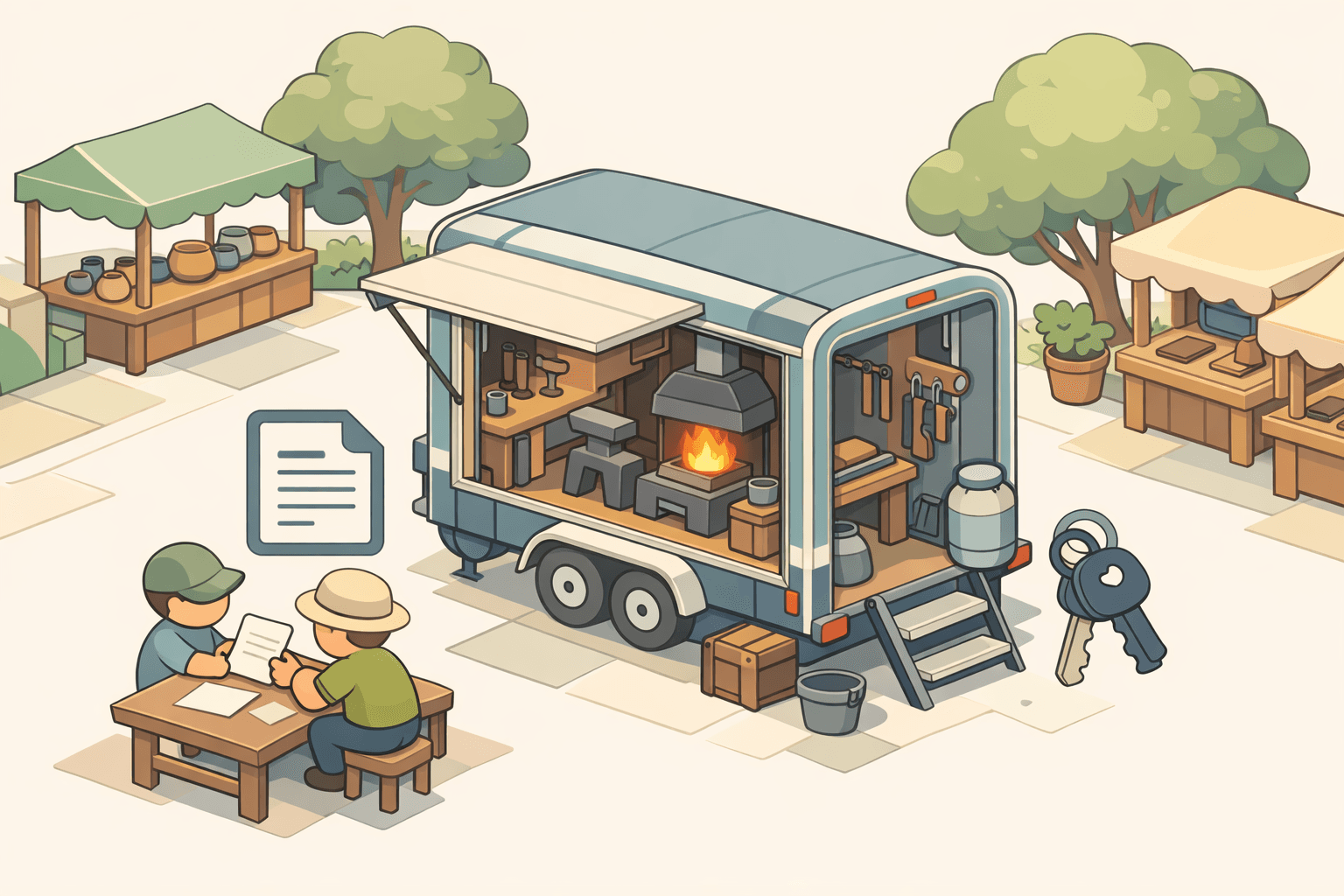
Running a mobile blacksmithing studio is a unique blend of craftsmanship, entrepreneurship, and logistics. Whether you're forging custom ironwork at farmers markets, craft fairs, or private events, you understand that demand doesn't always flow evenly throughout the year. Spring and summer might bring a rush of orders, while colder months could leave your forge cooling and your cash flow thinning. If you're looking to grow your operation, invest in better equipment, or simply bridge the gap between busy seasons, understanding how to secure a business loan for a mobile blacksmithing studio with seasonal demand is an essential step. This guide is designed to help small business owners and artisan entrepreneurs navigate the lending landscape with clarity and confidence.
Understanding the Financial Challenges of a Seasonal Craft Business
Before approaching any lender, it helps to understand what makes a mobile blacksmithing operation financially distinct. Unlike a brick-and-mortar retail shop with predictable foot traffic, a mobile craft business faces irregular revenue cycles tied to event calendars, weather patterns, and consumer spending habits.
These fluctuations can make traditional lenders nervous. Banks and credit unions typically want to see consistent monthly revenue when evaluating a loan application. If your busiest months generate strong income but your slow season is significantly leaner, that inconsistency may raise red flags during underwriting.
That said, seasonal businesses are far from unfinanceable. Many lenders — particularly those who specialize in small business financing — understand that revenue variability is a normal characteristic of craft, agricultural, and event-based businesses. The key is knowing how to present your financials in a way that demonstrates long-term viability, even when short-term cash flow dips.
- Irregular revenue cycles tied to festivals, fairs, and warm-weather seasons
- High upfront equipment costs including forges, trailers, anvils, and transportation vehicles
- Variable operating expenses such as fuel, event fees, and material sourcing
- Limited credit history if the business is relatively new or has operated informally
Understanding these challenges ahead of time helps you prepare a stronger loan application and choose the right financing product for your situation.
Loan Options Worth Exploring for Mobile Blacksmiths and Artisan Entrepreneurs
There's no single loan product that works best for every mobile blacksmithing studio. Your ideal financing solution will depend on how long you've been in business, your credit profile, how much you need to borrow, and what you plan to use the funds for. Here are some of the most relevant options for craft business owners with seasonal income swings.
SBA Microloans for Startup and Small-Scale Artisans
The U.S. Small Business Administration's Microloan program offers funding of up to $50,000 through nonprofit intermediary lenders. This could be a solid fit if you're a newer artisan entrepreneur who needs a modest amount of capital to purchase a trailer setup, upgrade your forge, or cover early operating costs. Microloans often come with more flexible qualification standards than traditional bank loans, and lenders in this program may have experience working with craft and trade businesses.
SBA 7(a) Loans for Established Mobile Studios
If your blacksmithing business has been operating for at least a year or two and you have documented revenue, an SBA 7(a) loan might offer a more substantial funding option. These loans can be used for a wide range of purposes including equipment purchases, working capital, and business expansion. The SBA's partial guarantee may make lenders more willing to work with businesses that have seasonal income patterns, though approval still depends heavily on your overall financial profile.
Business Lines of Credit for Seasonal Cash Flow Management
A business line of credit could be one of the most practical tools for a mobile blacksmith navigating slow seasons. Rather than taking a lump sum and paying interest on the full amount, a line of credit lets you draw funds as needed and repay them as revenue comes in. This revolving structure is particularly well-suited to seasonal demand cycles, allowing you to cover supply purchases or event registration fees during slow periods without overextending your finances.
Equipment Financing for Forge and Trailer Upgrades
If your primary need is to upgrade or expand your physical setup — a new forge, a purpose-built mobile trailer, or a heavier-duty tow vehicle — equipment financing might offer a targeted solution. In this arrangement, the equipment itself typically serves as collateral, which may make approval somewhat easier even for businesses with shorter credit histories. Repayment terms are generally structured around the expected useful life of the equipment.
How Lenders Evaluate a Seasonal Mobile Craft Business Loan Application
Knowing what lenders look for can give you a significant advantage when applying for a mobile blacksmith loan or any form of craft business financing. Most lenders assess a combination of factors rather than relying on a single metric.
Personal and Business Credit Scores
Your personal credit score often plays a major role in small business lending decisions, especially if your business is relatively young and hasn't established a strong credit profile of its own. A higher credit score generally signals lower risk to lenders and may help you qualify for better rates and terms. If your score needs improvement, working to pay down existing debt and resolving any errors on your credit report before applying could be worthwhile steps.
Business Revenue and Bank Statements
Lenders typically want to review several months — sometimes up to two years — of bank statements and tax returns to assess revenue trends. For a seasonal business, it's important to provide context around those numbers. A written explanation of your seasonal cycle, supported by event calendars, booking records, or year-over-year comparisons, may help underwriters interpret your income patterns more favorably.
Time in Business
Many traditional lenders prefer to work with businesses that have at least one to two years of operating history. If you're brand new to running a mobile blacksmithing studio professionally, you may find startup loan options through SBA Microloan programs, community development financial institutions (CDFIs), or online lenders to be more accessible starting points.
Collateral and Personal Guarantees
Some lenders may ask for collateral — assets that can be used to secure the loan — particularly for larger amounts. Your trailer, equipment, or other business assets might serve this purpose. Many small business loans also require a personal guarantee, meaning you'd be personally responsible for repayment if the business couldn't cover it. Understanding this commitment before signing is essential.
Preparing Your Business Plan and Financial Documentation
A well-prepared business plan can make a meaningful difference in how lenders perceive your application. This is especially true for artisan and craft businesses, where lenders may be less familiar with the industry and its revenue dynamics.
Your business plan doesn't need to be a lengthy formal document, but it should clearly communicate what your mobile blacksmithing studio does, who your customers are, how you generate revenue, and how you plan to use the loan funds. Including a seasonal revenue calendar — showing your typical peak and off-peak months — can help lenders visualize your cash flow cycle and understand why certain financing structures make more sense for your operation than others.
- Executive summary: A brief overview of your business, its history, and its goals
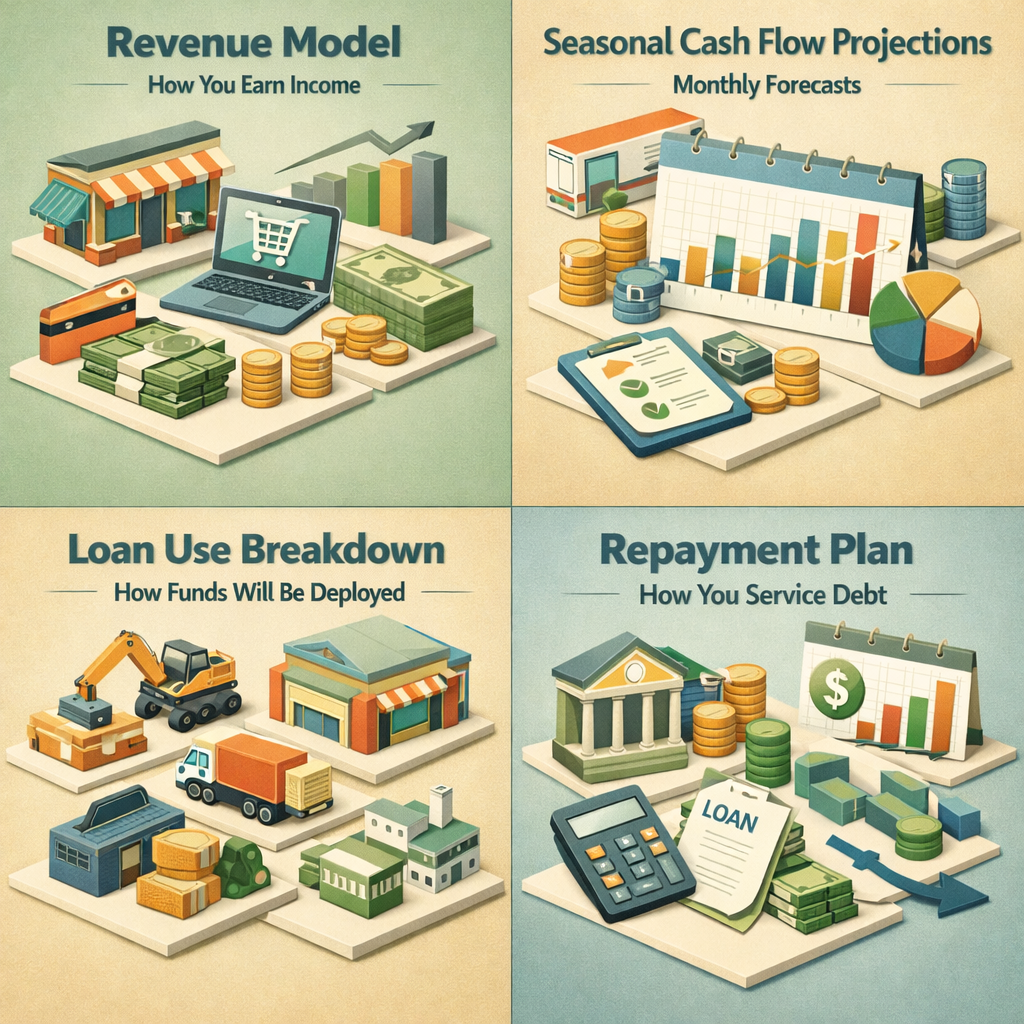
- Revenue model: How and when you earn income, including event-based and direct sales channels
- Seasonal cash flow projections: Realistic forecasts broken down by month or quarter
- Loan use breakdown: A specific explanation of how borrowed funds will be deployed
- Repayment plan: How you intend to service the debt, including during slower months
In addition to a business plan, gather your most recent tax returns, profit and loss statements, bank statements, and any relevant business licenses or permits. Being organized and transparent tends to build lender confidence, particularly for businesses in niche trades like blacksmithing.
Strategies to Strengthen Your Loan Application as an Artisan Entrepreneur
Beyond documentation, there are several practical strategies that may improve your chances of securing seasonal business financing for your mobile blacksmithing operation.
Build Business Credit Before You Apply
If your business doesn't yet have its own credit profile, opening a dedicated business checking account and applying for a small business credit card can help establish one. Paying invoices on time and keeping utilization low over several months may gradually improve your business credit score, making future loan applications stronger.
Seek Out Lenders Familiar with Artisan and Trade Businesses
Not all lenders approach craft businesses the same way. Community banks, credit unions, and CDFIs may have more experience working with tradespeople and artisans than large national banks. Online lenders and fintech platforms have also become increasingly common options for small business owners who need faster decisions or have non-traditional revenue patterns.
Consider a Smaller Initial Loan
If this is your first time applying for a business loan, starting with a smaller amount may increase your approval odds. Successfully repaying a smaller loan can help you build a lending relationship and establish a track record that supports larger borrowing in the future.
Time Your Application Strategically
Applying for financing during or just before your peak season — when your revenue is strongest and your bank statements look most favorable — may give your application its best chance of approval. Waiting until the slow season when cash flow is at its lowest could make the numbers look more challenging to lenders than they actually are in context.
Grant and Alternative Funding Options for Craft Business Owners
Loans aren't the only path to funding a mobile blacksmithing studio. Depending on your location, background, and business stage, there may be grant programs or alternative funding sources worth exploring alongside or instead of traditional borrowing.
Some state and local economic development agencies offer small business grants, particularly for artisan trades, rural businesses, or businesses that contribute to local cultural heritage. Organizations supporting women-owned, veteran-owned, or minority-owned businesses may also have dedicated grant programs. While grants are competitive and often limited in scope, they represent funding that doesn't need to be repaid — making them worth researching thoroughly.
Crowdfunding platforms have also become a viable option for artisan entrepreneurs with strong social followings or compelling craft stories. Platforms that support creative and maker businesses may allow you to pre-sell custom work or raise funds from supporters in exchange for early access, product rewards, or simply community recognition.
Additionally, some craft guilds, trade associations, and regional arts councils occasionally offer low-interest loan programs or financial assistance specifically for skilled tradespeople. These niche sources of startup loan for artisans funding are often underutilized and may come with mentorship or networking benefits as well.
●Conclusion
Figuring out how to secure a business loan for a mobile blacksmithing studio with seasonal demand takes preparation, patience, and the right lending partner. Your business may operate in a niche trade, but the fundamentals of small business financing still apply — strong documentation, a clear use of funds, and a realistic repayment plan go a long way toward building lender confidence. Whether you pursue an SBA Microloan, a business line of credit, equipment financing, or an alternative funding source, the goal is to find a product that aligns with your cash flow cycle rather than works against it. At LoanWise, we're committed to helping entrepreneurs in every industry — including skilled artisans — explore their financing options with clarity. If you're ready to take the next step, consider speaking with a lending specialist who understands the unique rhythm of craft and trade businesses.