
Running a craft brewery is a labor of love — but it comes with a financial reality that can be hard to ignore. Revenue often spikes during festivals, warm-weather months, and the holiday season, then dips sharply when foot traffic slows down. For small business owners and entrepreneurs in the brewing industry, those quiet months can create serious cash flow gaps. That's why understanding how to get a working capital loan for a seasonal craft brewery during off-season is one of the most important financial skills you can develop. Whether you need to cover payroll, purchase ingredients, maintain equipment, or simply keep the lights on, the right financing strategy can make all the difference between surviving the slow season and thriving through it.
Why Seasonal Cash Flow Is a Real Challenge for Craft Breweries
Craft breweries often operate on tight margins, and their revenue patterns tend to follow predictable seasonal cycles. Taproom traffic may surge in summer and around major holidays, while January through early spring can feel painfully slow. The problem is that many of your fixed costs — rent, utilities, staff wages, loan repayments, and insurance — don't slow down with sales.
On top of that, brewing is a production-heavy business. You may need to purchase hops, malt, yeast, and packaging materials months before those products ever generate a single dollar in revenue. This creates a timing mismatch that even well-managed breweries can struggle with.
Understanding this cycle is the first step toward solving it. Lenders who specialize in small business financing are increasingly aware of seasonal business models, and many offer products specifically designed to help businesses like yours bridge the gap. The key is knowing which loan options are available and how to position your brewery as a creditworthy borrower — even when your bank statements show lower income during off-peak months.
Common Working Capital Loan Options for Brewery Owners
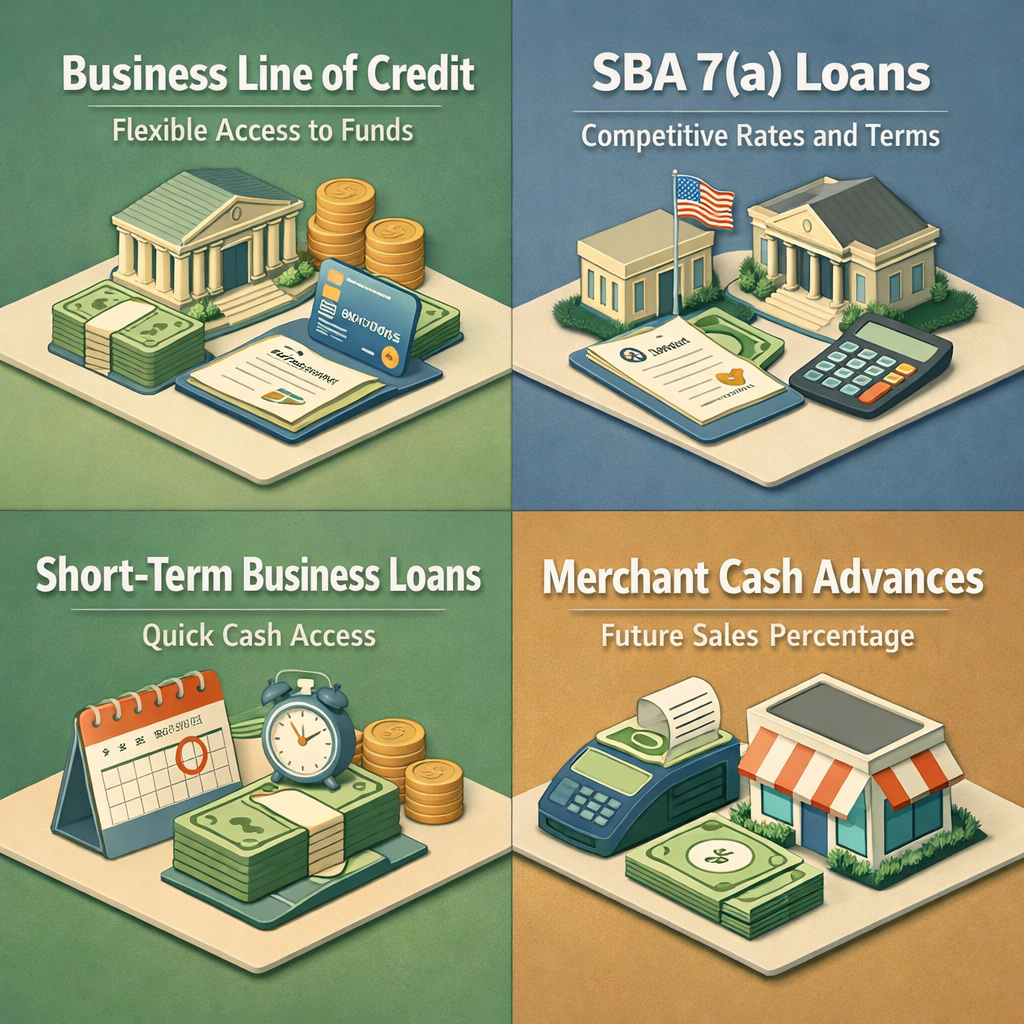
When it comes to financing your brewery through the off-season, there's no single solution that fits every situation. Instead, there are several loan types worth exploring depending on your credit profile, time in business, and how quickly you need funds.
Business Line of Credit
A business line of credit may be one of the most flexible tools available to seasonal craft breweries. Rather than receiving a lump sum, you draw funds as needed and only pay interest on what you use. This structure works well for managing unpredictable cash flow because you can access capital during slow months and repay it when revenue picks back up. Many lenders offer revolving lines of credit, meaning you can draw, repay, and draw again throughout the year.
SBA 7(a) Loans
The Small Business Administration's 7(a) loan program is one of the more well-known options for small business owners. These loans can be used for working capital, and they typically offer competitive interest rates and longer repayment terms than conventional business loans. However, the application process can be more detailed, and approval may take longer — so planning ahead before the off-season hits is especially important if this is the route you're considering.
Short-Term Business Loans
Short-term loans from online lenders or community banks can provide fast access to a lump sum of cash. These loans are often repaid within six to eighteen months, which could align well with your peak revenue season. Keep in mind that interest rates on short-term loans can be higher than traditional financing, so it's worth comparing total loan costs carefully before committing.
Merchant Cash Advances
A merchant cash advance (MCA) provides upfront capital in exchange for a percentage of your future sales. If your brewery processes a significant volume of card transactions, an MCA might offer quick access to funds. However, the effective cost of borrowing can be considerably higher than other options, and repayments are ongoing regardless of how your sales fluctuate — so this option should generally be approached with caution.
How to Qualify: What Lenders Look for in a Seasonal Brewing Business
Knowing how to get a working capital loan for a seasonal craft brewery during off-season means understanding how lenders evaluate your application. Even if your revenue dips in winter, you can still present a compelling case to lenders if you come prepared.
Business Credit and Personal Credit Scores
Most lenders will review both your business credit profile and your personal credit score, especially if your brewery is a sole proprietorship or small LLC. A stronger credit history typically opens the door to better loan terms and lower interest rates. If your scores need improvement, it may be worth spending a few months addressing outstanding debt or resolving any inaccuracies on your credit report before applying.
Bank Statements and Revenue History
Lenders want to see that your business generates consistent revenue over time, even if it's seasonal. Providing twelve to twenty-four months of business bank statements helps paint a fuller picture of your annual income cycle. Framing your revenue patterns honestly — and explaining how your off-season borrowing needs align with your peak-season repayment capacity — can actually work in your favor with lenders who understand seasonal businesses.
Time in Business
Most traditional lenders prefer to work with businesses that have been operating for at least one to two years. Startups and newer breweries may find it more challenging to qualify for larger loan amounts, but options like SBA microloans or community development financial institutions (CDFIs) may offer more flexible criteria for early-stage businesses.
Business Plan and Cash Flow Projections
Having a well-documented business plan and seasonal cash flow projections can strengthen your application significantly. Lenders appreciate when borrowers demonstrate that they understand their own financial cycles and have a clear plan for how loan proceeds will be used and repaid.
Preparing Your Brewery Financially Before the Slow Season Arrives
One of the most effective strategies for managing working capital seasonal brewery off-season loan needs is to start preparing well before the slow months arrive. Reactive borrowing — applying for a working capital loan when you're already in financial distress — tends to produce worse outcomes than proactive planning.
- Build a cash reserve during peak months: Setting aside a portion of your summer or holiday profits specifically for off-season operating costs can reduce the amount you need to borrow and make you a more attractive borrower when you do apply.
- Establish a credit line before you need it: Many lenders are more willing to approve a business line of credit when your business is performing well. Securing a line during your peak season means you'll have funds ready to draw when revenue slows.
- Review your expenses and cut non-essentials: A lean cost structure during the off-season can meaningfully reduce your working capital gap. Consider which vendor contracts, subscriptions, or staffing costs can be temporarily reduced without harming your core operations.
- Diversify your revenue streams: Some successful seasonal breweries offset slow months by offering brewing classes, merchandise, virtual events, or contract brewing services. Even modest additional income can reduce your reliance on external financing.
- Maintain clean and organized financial records: Lenders often move faster and offer better terms when borrowers present organized, accurate financial documentation. Keeping your books current year-round saves time and stress when it comes time to apply.
Choosing the Right Lender for Your Brewing Business Needs
Not all lenders are equally suited to work with seasonal small businesses. Some traditional banks may be less familiar with the craft brewing industry's unique revenue cycles, while others — particularly community banks, credit unions, and online lenders — may have more experience evaluating seasonal borrowers.
Community banks and credit unions often take a more relationship-based approach to lending. If you've banked with the same institution for several years, your existing relationship may carry meaningful weight during the underwriting process. These lenders may also be more willing to look beyond a single slow-season bank statement and consider your full annual revenue history.
Online lenders tend to offer faster approvals and more flexible qualification criteria, which can be especially useful if you need funds quickly. However, it's important to read loan terms carefully. Interest rates, origination fees, and repayment structures vary widely among online lending platforms, and what looks like a convenient option upfront can become costly over time if the terms aren't favorable.
Working with a loan advisor or broker who specializes in small business financing may also help you compare multiple options efficiently. They can often identify lenders who are familiar with seasonal business models and help you structure your application in the most compelling way possible.
Avoiding Common Mistakes When Applying for Off-Season Business Financing
Even brewery owners with solid fundamentals can run into trouble during the loan application process if they're not careful. Here are some pitfalls worth watching out for:
- Waiting too long to apply: Applying for financing in the middle of a cash crisis often leads to rushed decisions and less favorable terms. Ideally, you should begin the application process at least a month or two before you anticipate needing the funds.
- Borrowing more than you can repay: It can be tempting to take the maximum loan amount offered, but borrowing more than your business genuinely needs — or can realistically repay — increases your financial risk. Be conservative and borrow based on documented need.
- Ignoring total loan costs: The interest rate is just one part of the borrowing equation. Origination fees, prepayment penalties, and weekly versus monthly repayment schedules can all affect the true cost of a loan. Always calculate the annual percentage rate (APR) when comparing options.
- Neglecting your personal credit: Many small business lenders use personal credit as a key underwriting factor, especially for newer businesses. Keeping your personal finances in good shape year-round is an important part of staying loan-ready.
- Failing to read the loan agreement thoroughly: Loan agreements can contain important terms related to collateral requirements, default conditions, and automatic renewals. Take time to read — and understand — every document before signing.
●Conclusion
Seasonal cash flow challenges are a natural part of running a craft brewery, but they don't have to put your business at risk. By understanding how to get a working capital loan for a seasonal craft brewery during off-season, planning ahead, and choosing the right financing product for your specific needs, you can keep your operations running smoothly even during the quietest months of the year. At LoanWise, we're here to help small business owners and entrepreneurs explore their financing options with clarity and confidence. Whether you're evaluating a business line of credit, an SBA loan, or another working capital solution, connecting with a knowledgeable lending advisor could be the first step toward a more financially stable brewing season — and every season after that.