
Starting a mobile ice cream truck business can be an exciting and rewarding venture. The open road, happy customers, and the potential for strong seasonal revenue all make it an appealing option for aspiring entrepreneurs. But like any small business, getting started requires capital — and that means understanding your financing options. If you've been wondering how to get a business loan for a mobile ice cream truck startup with seasonal demand, you're not alone. Many first-time food truck owners face the same challenge: convincing lenders that a business with fluctuating income is still a worthy investment. The good news is that several loan products and strategies are designed with exactly this kind of borrower in mind.
Understanding the Unique Financial Challenges of a Seasonal Mobile Business
Before exploring loan options, it helps to understand why seasonal businesses like mobile ice cream trucks can face more scrutiny from lenders. Most traditional lenders prefer to see consistent, year-round revenue when evaluating a loan application. A business that earns the majority of its income during spring and summer months may raise questions about its ability to make monthly loan payments during slower periods.
That said, seasonal businesses are far from unbankable. Lenders who specialize in small business financing are often familiar with the rhythms of food service businesses, including mobile vendors. The key is to demonstrate a clear financial plan that accounts for both peak and off-peak periods. A well-prepared business plan can go a long way toward reassuring a lender that you've thought through the lean months as thoughtfully as the busy ones.
Additionally, new startups face the added challenge of having no business credit history and limited revenue documentation. This doesn't disqualify you from borrowing, but it does mean you'll likely need to rely more heavily on your personal credit score, a strong business plan, and potentially collateral to secure funding.
Loan Options Worth Exploring for Your Ice Cream Truck Startup
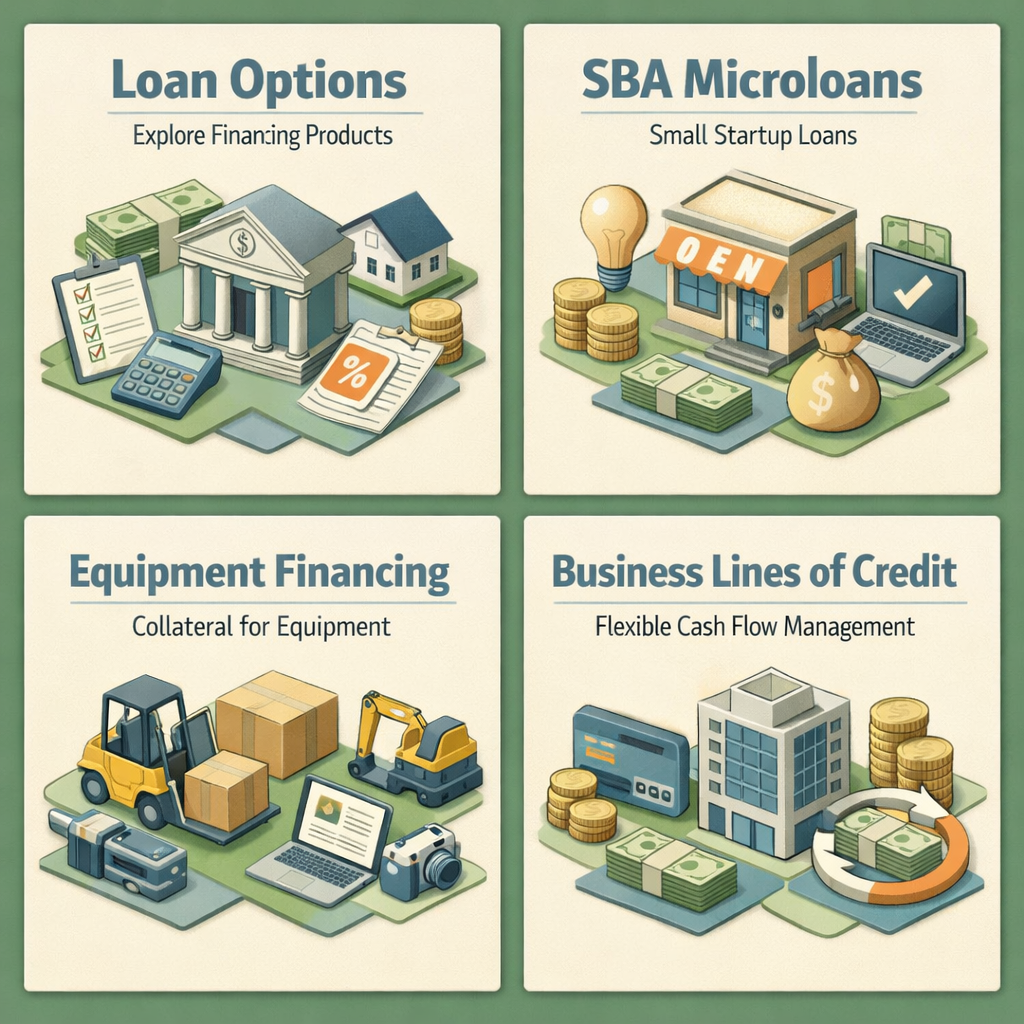
There are several financing products that may be a good fit when figuring out how to get a business loan for a mobile ice cream truck startup with seasonal demand. Each comes with its own requirements, benefits, and trade-offs.
SBA Microloans
The U.S. Small Business Administration offers a microloan program specifically designed for small startups and newer businesses. SBA Microloans typically provide up to $50,000 and are administered through nonprofit intermediary lenders. These loans may be used to cover working capital, inventory, supplies, and even some equipment — making them a potentially strong fit for an ice cream truck launch. Interest rates and terms vary by intermediary, but the program is generally considered more accessible to borrowers with limited credit history than conventional bank loans.
Equipment Financing
If your primary need is the truck itself or specialized refrigeration units, equipment financing could be a smart choice. With this type of loan, the equipment you're purchasing often serves as its own collateral, which can make approval somewhat easier even for newer businesses. Lenders may be willing to finance a significant portion of the vehicle or equipment cost, with repayment terms spread over the useful life of the asset.
SBA 7(a) Loans
For entrepreneurs who need more substantial funding — perhaps to cover the truck, initial inventory, permits, and working capital reserves — an SBA 7(a) loan may be worth pursuing. These loans can go up to $5 million, though most small food truck startups would likely seek a fraction of that amount. The SBA guarantees a portion of the loan, which reduces risk for lenders and can make approval more attainable. However, SBA loans typically come with more documentation requirements and a longer approval timeline.
Business Lines of Credit
A financing strategies might be particularly useful for managing the cash flow swings that come with seasonal demand. Rather than receiving a lump sum, you draw funds as needed and repay what you use. This flexibility could help you cover operating expenses during slow months without taking on unnecessary debt during your peak season.
How to Build a Business Plan That Lenders Will Take Seriously
For a startup with no operating history, your business plan is one of the most powerful tools you have. A thoughtful, detailed plan signals to lenders that you understand your market, your costs, and your revenue potential — even if you haven't yet generated a dollar in sales.
Your business plan should include a clear description of your concept, your target market, your planned routes or event locations, and your pricing strategy. It should also include realistic financial projections that account for seasonal fluctuations. Showing a lender that you expect lower revenue in November and have a plan to manage expenses accordingly demonstrates maturity and financial awareness.
Consider including the following in your plan:
- Startup cost breakdown: Truck purchase or lease, refrigeration equipment, permits, branding, initial inventory
- Monthly operating expense estimates: Fuel, maintenance, supplies, insurance, commissary fees if applicable
- Revenue projections by season: Realistic estimates based on local market research
- Cash flow analysis: How you plan to cover expenses during off-peak months
- Marketing strategy: How you'll attract and retain customers through events, social media, or local partnerships
The more specific and grounded your plan, the more confidence a lender may have in your ability to repay the loan.
Strengthening Your Personal Credit Profile Before Applying
Because most ice cream truck startups won't have an established business credit history, lenders will often look closely at the owner's personal credit score. A stronger credit profile could improve your chances of approval and may help you qualify for better interest rates and terms.
If your credit score needs work before you apply, there are several steps you might consider taking:
- Pay down existing revolving debt to lower your credit utilization ratio
- Review your credit reports for errors and dispute any inaccuracies
- Avoid opening new credit accounts in the months leading up to your application
- Make all current payments on time, as payment history is typically the most heavily weighted factor in credit scoring models
Even if your credit isn't perfect, some lenders — particularly those working with SBA microloan programs or community development financial institutions (CDFIs) — may take a more holistic view of your application, weighing your business plan and character alongside your credit score.
Preparing Your Loan Application Documents
A well-organized application can make the lending process smoother and faster. While requirements vary by lender and loan type, most will ask for some combination of the following documents:
- Personal and business tax returns (if available)
- Personal financial statements
- Business plan with financial projections
- Business licenses, permits, and formation documents
- Bank statements
- Equipment quotes or purchase agreements for the truck or refrigeration units
- Identification documents
For a startup, you may not have years of tax returns or bank statements to provide. In that case, lenders may rely more heavily on your personal financial documents and the quality of your projections. Being organized and responsive during the application process can reflect positively on you as a borrower.
It's also worth reaching out to your local Small Business Development Center (SBDC) or SCORE chapter. These free resources offer guidance on writing business plans and preparing loan applications, which can be especially helpful for first-time entrepreneurs navigating the process for the first time.
What Lenders Look for in a Mobile Ice Cream Truck Business Loan Seasonal Application
When reviewing a mobile ice cream truck business loan seasonal application, lenders are typically evaluating a few core factors. Understanding these can help you position your application more effectively.
Ability to Repay
Even with seasonal income, lenders want to see that you can make loan payments throughout the year. A cash reserve strategy or a plan to supplement income during slow months — perhaps through private events, catering bookings, or other seasonal offerings — could help address this concern.
Collateral
For startup businesses, offering collateral such as the truck itself or personal assets may improve your chances of approval. Equipment loans naturally use the financed asset as collateral, which can streamline the process.
Industry Experience
While it's not required, lenders may view prior experience in food service, business management, or truck operations favorably. If you have relevant experience, be sure to highlight it in your application and business loan.
Local Market Demand
Demonstrating that there's genuine demand in your area — through local event calendars, population data, or competitor analysis — can strengthen your case. Lenders want to see that your business has a realistic customer base, not just a good idea.
●Conclusion
Launching a mobile ice cream truck is a dream worth pursuing — and with the right preparation, securing financing is an achievable goal. Understanding how to get a business loan for a mobile ice cream truck startup with seasonal demand comes down to choosing the right loan product, building a credible business plan, and presenting yourself as a prepared and creditworthy borrower. Whether you explore SBA microloans, equipment financing, or a business line of credit, each option offers a potential path to getting your truck on the road. Take the time to strengthen your application, lean on free resources like your local SBDC, and don't hesitate to consult with a lending professional who understands the needs of small business owners. Your seasonal business may have its quiet months, but with smart financing in place, your entrepreneurial journey can stay rolling all year long.