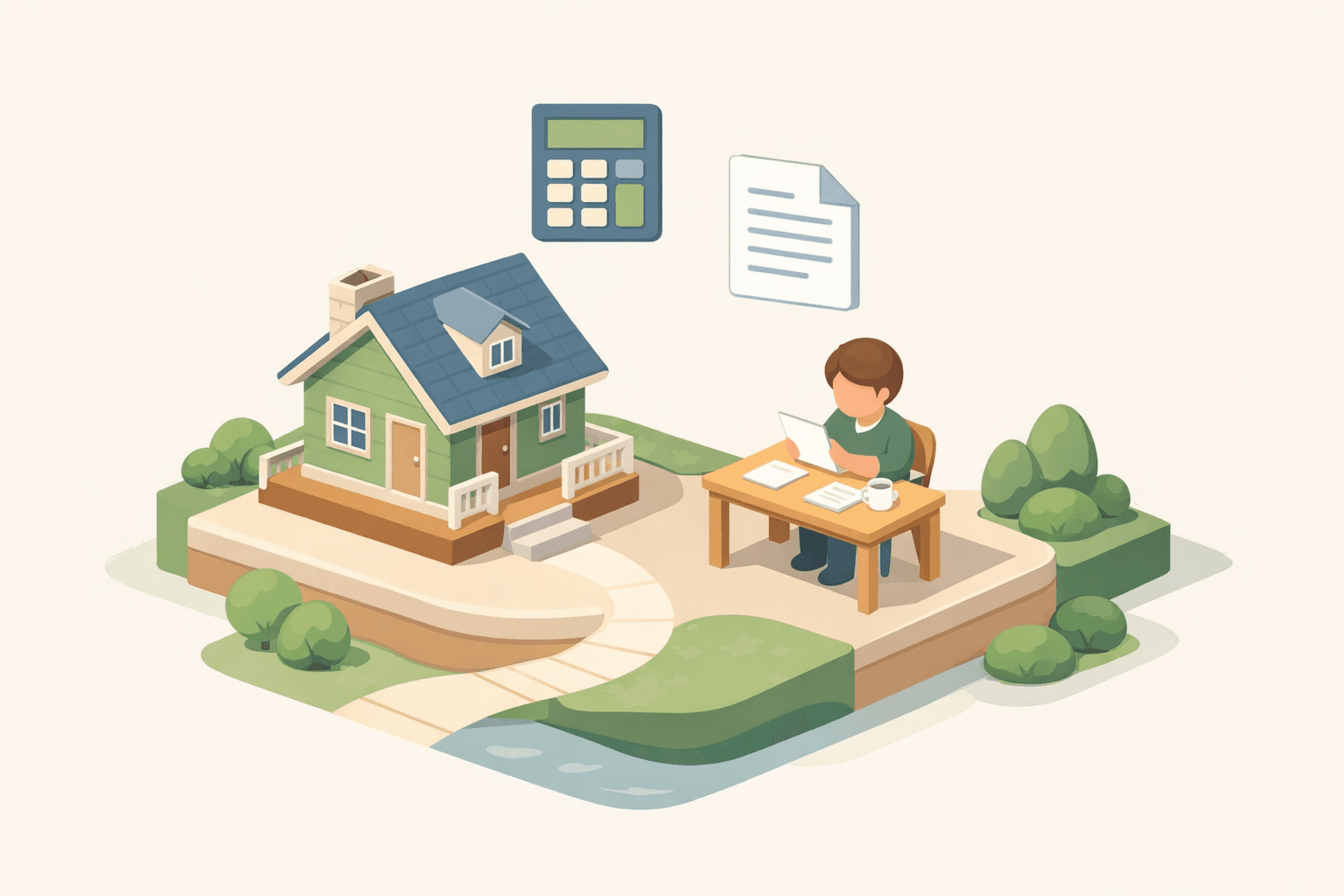
One of the first questions most homebuyers ask themselves is: how much mortgage can I afford with my income? It's a smart place to start, because buying more home than your finances can comfortably support can lead to real stress down the road. The good news is that lenders use a clear set of guidelines to evaluate affordability — and once you understand those guidelines, you can plan your home purchase with much greater confidence. Whether you're a first-time homebuyer or an experienced homeowner looking to upgrade, understanding how income translates into buying power is one of the most valuable steps you can take.
How Lenders Look at Your Income When Qualifying You for a Home Loan
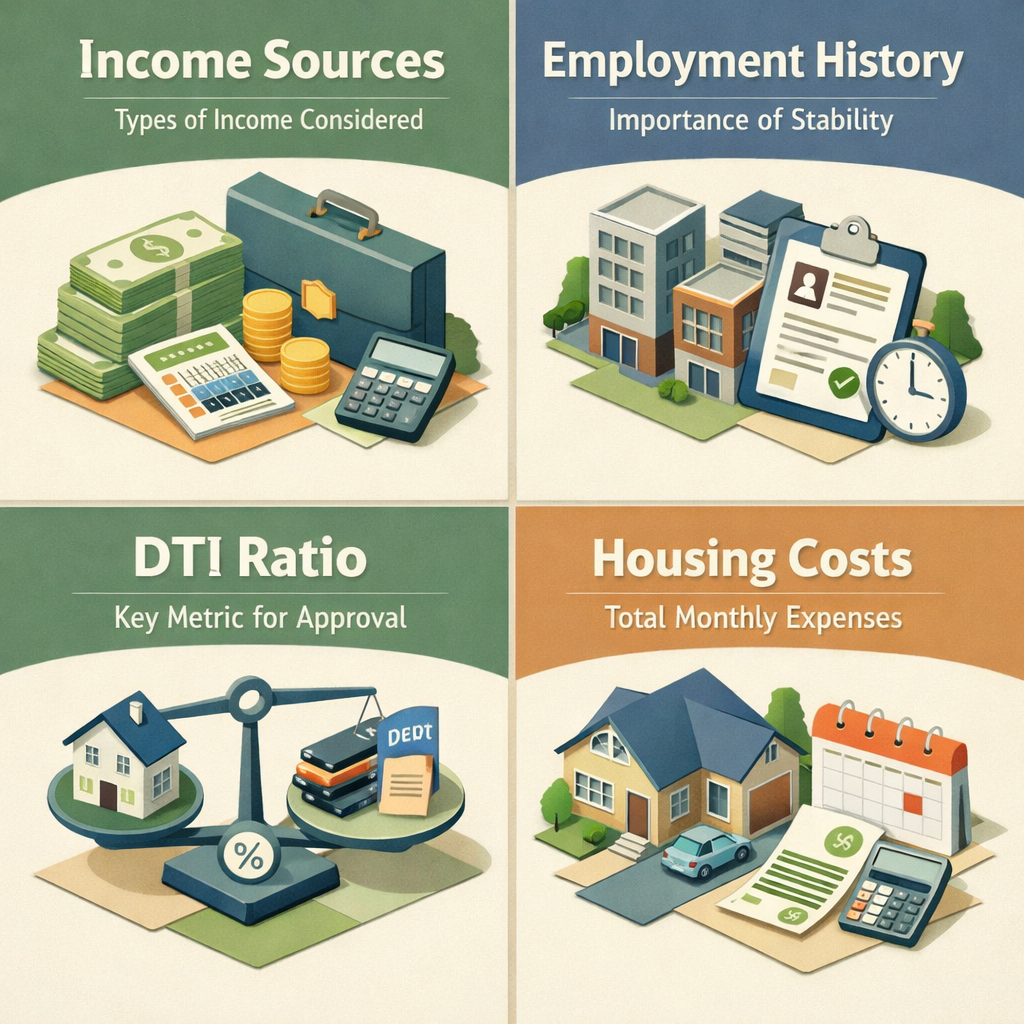
When you apply for a mortgage, lenders don't just glance at your paycheck. They take a careful look at your gross monthly income — that's your income before taxes and deductions — and use it as the foundation for calculating how much you may be able to borrow. For salaried employees, this is typically straightforward. For self-employed borrowers or those with variable income, lenders often average two years of earnings to get a consistent picture.
Lenders also consider the type of income you receive. Base salary, overtime, bonuses, rental income, and investment dividends may all count — but some income sources carry more weight than others. For example, bonus income might only be counted if it can be documented consistently over time. Understanding which portions of your income qualify can help you set realistic expectations before you ever speak with a lender.
It's also worth noting that your employment history matters. Most lenders prefer to see at least two years of steady employment in the same field. Gaps in employment or recent job changes may raise questions, though they won't necessarily disqualify you. Being prepared with documentation — such as pay stubs, W-2s, and tax returns — can help the process move more smoothly.
Understanding the Debt-to-Income Ratio for Mortgage Approval
The single most important metric lenders use when evaluating your mortgage affordability is your debt-to-income ratio, commonly referred to as DTI. This ratio compares your total monthly debt obligations to your gross monthly income. It gives lenders a snapshot of how much of your income is already committed to existing debts — and how much room is left for a mortgage payment.
There are two versions of DTI that lenders typically review:
- Front-end DTI: This looks only at your proposed housing costs — including your mortgage principal, interest, property taxes, homeowner's insurance, and any HOA fees — as a percentage of your gross monthly income.
- Back-end DTI: This includes all of the above plus your existing monthly debt obligations, such as car loans, student loans, credit card minimum payments, and other recurring liabilities.
Most conventional loan programs typically prefer a back-end DTI of 43% or lower, though some loan types may allow higher ratios with compensating factors like strong credit or a larger down payment. FHA loans, for instance, may permit slightly higher DTI thresholds in certain cases. Keeping your DTI as low as possible is generally one of the best things you can do to improve your mortgage approval odds and potentially qualify for better loan terms.
To illustrate: if your gross monthly income is $6,000 and your existing monthly debts total $500, a lender offering a 43% back-end DTI cap might allow a maximum monthly housing payment of around $2,080. That figure, combined with current interest rates and your loan term, would determine your maximum loan amount.
How to Calculate Home Loan Affordability on Your Own
You don't have to wait for a lender to tell you what you can afford. Learning how to calculate home loan affordability on your own is a practical skill that can save you time and help you shop smarter. Start with these basic steps:
- Step 1 – Determine your gross monthly income. Add up all qualifying income sources before taxes. If you're applying jointly with a co-borrower, combine both incomes.
- Step 2 – List your current monthly debts. Include minimum credit card payments, auto loans, student loans, personal loans, and any other recurring obligations. Do not include utilities, groceries, or subscriptions — lenders typically don't count these.
- Step 3 – Apply the DTI guideline. Multiply your gross monthly income by your target DTI percentage (commonly 0.43 for a 43% back-end DTI). Subtract your existing monthly debts from that figure to find your estimated maximum monthly mortgage payment.
- Step 4 – Use a mortgage affordability calculator. Once you have your estimated maximum monthly payment, a mortgage affordability calculator can help you work backward to find the home price range that fits. These tools factor in the loan term, interest rate, and down payment to give you a realistic purchase price estimate.
Keep in mind that this is a starting estimate. Your actual qualification amount may vary depending on your credit score, loan type, down payment size, and the lender's specific guidelines. Think of this calculation as a compass rather than a definitive answer.
The Role of Credit Score and Down Payment in Your Buying Power
Income and DTI are critical — but they're not the only factors that shape how much mortgage you can afford. Your credit score and down payment amount also play a significant role in determining both your eligibility and the cost of borrowing.
A higher credit score typically unlocks lower interest rates. Even a small reduction in your interest rate can meaningfully increase the loan amount you qualify for at the same monthly payment. For example, a borrower with a 760 credit score might qualify for a noticeably lower rate than someone with a 640 score — and that difference compounds over the life of the loan.
Your down payment also affects affordability in several ways. A larger down payment reduces the amount you need to borrow, lowers your monthly payment, and may help you avoid private mortgage insurance (PMI) — which is typically required on conventional loans when the down payment is less than 20%. Eliminating PMI can free up meaningful room in your monthly budget.
For first-time homebuyers, there are loan programs designed with affordability in mind. FHA loans allow down payments as low as 3.5% for qualifying borrowers, while VA loans and USDA loans may require little to no down payment for those who meet eligibility criteria. Exploring these options with a knowledgeable lender could expand your possibilities significantly.
First Time Home Buyer Affordability: Special Considerations and Programs
First time home buyer affordability is a topic that deserves its own attention. Many first-time buyers enter the market with limited savings, student loan debt, or a shorter credit history — all of which can affect what they qualify for. The encouraging news is that there are programs and strategies specifically designed to help.
Several state and local housing agencies offer down payment assistance programs that provide grants or low-interest second loans to help cover upfront costs. These programs vary widely by location, income limits, and eligibility requirements, so it's worth researching what's available in your area.
First-time buyers may also benefit from specialized loan programs such as:
- FHA Loans: Backed by the Federal Housing Administration, these loans offer flexible credit requirements and lower down payment thresholds, making them a popular choice for buyers who are just starting out.
- Fannie Mae HomeReady and Freddie Mac Home Possible: These conventional programs are designed for low-to-moderate income borrowers and may allow lower down payments with reduced mortgage insurance costs.
- USDA and VA Loans: For eligible rural buyers or veterans, these programs can offer zero-down financing with competitive rates.
Beyond loan programs, first-time buyers should also consider working with a HUD-approved housing counselor. These professionals can provide personalized guidance on budgeting, credit improvement, and navigating the mortgage process — often at little or no cost.
Common Mistakes That Reduce Your Mortgage Affordability
Even well-prepared buyers can unknowingly take actions that hurt their mortgage affordability. Being aware of common pitfalls can help you protect your buying power as you prepare to purchase a home.
- Taking on new debt before closing: Financing a car, opening new credit cards, or making large purchases on credit can raise your DTI and potentially jeopardize your approval. Lenders often re-check your credit close to closing, so it's wise to hold off on new borrowing until after you've received your keys.
- Changing jobs shortly before applying: While a promotion or raise could help your income picture, switching industries or moving from salaried to self-employed right before applying may complicate the lender's income verification process.
- Underestimating total housing costs: Your mortgage payment is just one piece of your housing budget. Property taxes, homeowner's insurance, HOA fees, maintenance, and utilities can add significantly to your monthly expenses. Using a realistic total housing cost figure — not just the loan payment — will give you a more accurate affordability picture.
- Not getting pre-approved before shopping: Shopping for homes without a pre-approval letter means you're working with an estimate, not a commitment. Getting pre-approved not only confirms your budget but also strengthens your offer when you find the right home.
Avoiding these mistakes — and working closely with a trusted mortgage professional — can help ensure your path to homeownership stays on track.
Using a Mortgage Affordability Calculator to Plan Your Next Move
A mortgage affordability calculator is one of the most practical tools available to homebuyers at every stage of the process. Whether you're just beginning to explore the market or you're ready to make an offer, these calculators help translate your financial picture into a realistic home price range.
Most mortgage affordability calculators ask for a few key inputs:
- Your annual or monthly gross income
- Your monthly debt obligations
- Your estimated down payment amount
- The expected interest rate and loan term
- Estimated property taxes and insurance
With these inputs, the calculator can estimate both the maximum loan amount you might qualify for and the monthly payment you'd carry. Some advanced calculators also factor in PMI, HOA dues, and other recurring costs to give you a more complete monthly housing cost figure.
That said, a calculator is a planning tool — not a loan approval. Actual qualification depends on a lender's full underwriting review of your financial profile. Think of the calculator as your first step in the conversation, and follow it up with a consultation with a qualified mortgage professional who can give you a more precise, personalized answer to the question: how much mortgage can I afford with my income?
●Conclusion
Understanding your mortgage affordability before you begin house hunting is one of the smartest moves any buyer can make. By learning how lenders evaluate income, how the debt-to-income ratio for mortgage approval works, and what tools are available to help you plan, you're setting yourself up for a smoother, more confident homebuying experience. Whether you're a first-time buyer exploring entry-level programs or a move-up buyer evaluating a larger purchase, the foundation is the same: know your numbers, protect your credit, and work with professionals you trust. When you're ready to take the next step, LoanWise is here to help you find the right loan for your situation.