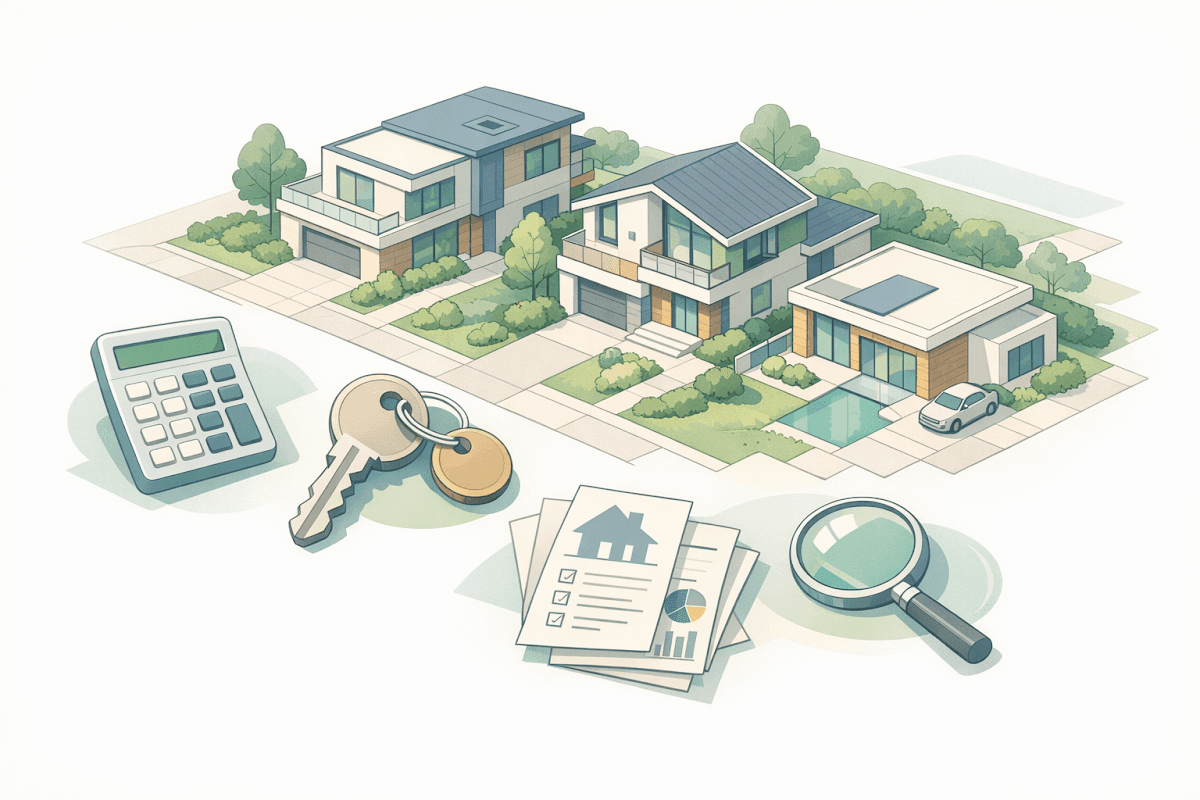
A home equity line of credit (HELOC) can provide homeowners with flexible access to funds using their property's equity as collateral. However, qualifying for this type of financing requires meeting specific criteria that lenders carefully evaluate. Understanding these home equity line of credit requirements can help you prepare your application and improve your chances of approval. Whether you're considering home improvements, debt consolidation, or other financial needs, knowing what lenders expect will streamline your path to accessing your home's equity through this versatile credit facility.
Essential Credit Score and Financial Requirements
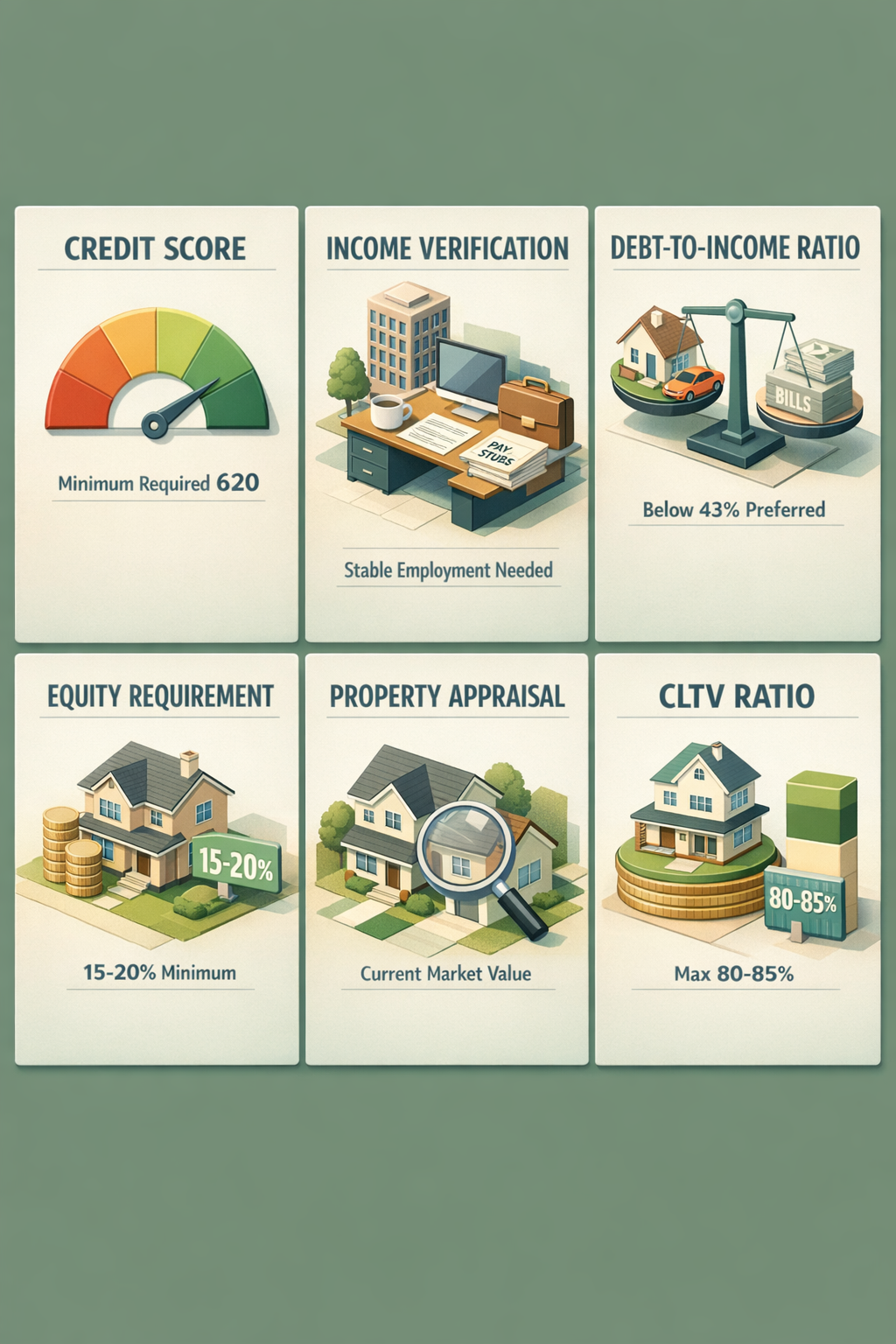
Most lenders typically require a credit score of at least 620 for HELOC approval, though many prefer credit scores of 680 or higher for the best terms. Your credit history demonstrates your ability to manage debt responsibly, which is crucial since you're using your home as collateral. Lenders will examine your payment history, credit utilization, and overall creditworthiness during the application process.
Income verification forms another cornerstone of home equity line of credit requirements. You'll need to provide documentation showing stable employment and sufficient income to support the additional credit line. This might include recent pay stubs, tax returns, and employment verification letters. Self-employed borrowers often face additional scrutiny and may need to provide more extensive financial documentation.
Your debt-to-income ratio also plays a significant role in qualification. Most lenders prefer to see your total monthly debt payments, including the proposed HELOC payment, remain below 43% of your gross monthly income. This ensures you can comfortably manage all your financial obligations without overextending yourself.
Home Equity and Property Value Standards
The amount of equity you've built in your home directly impacts your HELOC eligibility and credit limit. Most lenders require homeowners to maintain at least 15-20% equity in their property after the HELOC is established. This means if your home is worth $400,000, you might need to keep $60,000-$80,000 in equity untouched.
Property appraisals are typically required to determine your home's current market value. The appraisal process involves a professional assessment of your property's condition, location, and comparable sales in your area. This valuation helps establish the maximum credit line you might qualify for based on your available equity.
Combined loan-to-value (CLTV) ratios often cannot exceed 80-85% of your home's appraised value. This calculation includes your existing mortgage balance plus the proposed HELOC limit. For example, if your home appraises for $500,000 and you owe $300,000 on your primary mortgage, you might qualify for a HELOC of up to $100,000 with an 80% CLTV limit.
Documentation and Application Process
Gathering the necessary documentation before applying can significantly expedite your HELOC approval process. You'll typically need recent tax returns, W-2 forms, bank statements, and proof of homeowners insurance. Property tax records and your current mortgage statement may also be required to verify your existing obligations.
The application process usually begins with a preliminary review where lenders assess your basic qualifications against their home equity line of credit requirements. This initial screening helps determine whether you're likely to qualify before proceeding with more detailed verification and the property appraisal.
Many lenders offer online applications that allow you to submit documentation electronically and track your application's progress. The entire process typically takes 30-45 days from application to closing, though this timeline can vary based on appraisal scheduling and documentation completeness.
Employment History and Income Verification
Stable employment history demonstrates your ability to maintain consistent income for HELOC payments. Most lenders prefer to see at least two years of steady employment, though job changes within the same field may be acceptable if they show career progression or increased earnings.
Income verification requirements vary based on your employment type. Traditional employees typically need pay stubs covering the most recent 30-60 days, along with their most recent W-2 forms. Commission-based workers might need additional documentation showing their earning patterns over time to establish reliable income levels.
Self-employed borrowers face more stringent documentation requirements due to variable income patterns. You'll likely need to provide complete tax returns for the past two years, profit and loss statements, and possibly certified financial statements prepared by an accountant. Some lenders may require bank statement loans or other alternative documentation programs for self-employed applicants.
Property Type and Occupancy Requirements
Most HELOC programs are designed for primary residences, though some lenders may consider second homes or investment properties with different terms and requirements. Primary residence HELOCs typically offer more favorable rates and higher loan-to-value ratios compared to investment property loans.
Property type can influence your approval chances and available credit limits. Single-family detached homes usually meet standard requirements, while condominiums, townhomes, or manufactured homes may face additional scrutiny or restrictions. Some lenders have specific guidelines about minimum property values or exclude certain property types entirely.
Occupancy verification ensures you're using the property as intended when you applied. For primary residence HELOCs, you'll need to demonstrate that you live in the home as your main residence. This might involve providing utility bills, voter registration, or other documentation confirming your address.
Interest Rates and Credit Limit Considerations
HELOC interest rates are typically variable and tied to the prime rate, meaning your payments may fluctuate over time. Your credit score, loan-to-value ratio, and overall financial profile influence the margin added to the base rate. Borrowers with excellent credit and substantial equity often qualify for rates near the prime rate.
Credit limits depend on several factors including your home's value, existing mortgage balance, income, and creditworthiness. Most lenders calculate your maximum credit line based on a percentage of your home's appraised value minus your current mortgage balance. The specific percentage varies by lender but typically ranges from 75-85% of your home's value.
Some HELOCs offer introductory rates or promotional periods with reduced interest charges. While these features can provide initial savings, it's important to understand how rates will adjust after the promotional period ends and factor these changes into your long-term financial planning.
Common Approval Challenges and Solutions
Credit issues represent one of the most common obstacles in meeting home equity line of credit requirements. If your credit score falls below lender thresholds, consider paying down existing debts, correcting credit report errors, or waiting to apply until your score improves. Some lenders may work with borrowers who have lower scores but compensate with higher equity positions or income.
Insufficient equity can limit your options or prevent approval entirely. If your home's value has declined or you haven't built substantial equity, you might need to wait longer before applying or consider making additional principal payments on your existing mortgage to increase your equity position.
Income documentation challenges often affect self-employed borrowers or those with complex financial situations. Working with lenders who specialize in alternative documentation programs or preparing comprehensive financial statements can help overcome these hurdles. Some lenders offer asset-based qualification programs that focus more on your overall financial position than traditional income verification.
●Conclusion
Understanding home equity line of credit requirements helps you prepare effectively for the application process and increases your likelihood of approval. From maintaining good credit and stable income to building sufficient home equity, each requirement serves to protect both you and the lender in this significant financial transaction. By addressing potential challenges early and gathering necessary documentation, you can position yourself for success in accessing your home's equity through a HELOC. Remember that requirements may vary between lenders, so shopping around and comparing options can help you find the best fit for your financial situation and goals.