
Understanding the Mortgage for a Condo Landscape
Real estate investors often overlook condominiums when building their portfolios, yet these properties can offer unique opportunities in urban markets and high-density areas. However, securing a mortgage for a condo involves distinct challenges that can significantly impact your investment returns. Understanding these nuances is crucial for making informed decisions about condo investments and optimizing your financing strategy.
The condo market presents both opportunities and obstacles that differ markedly from single-family home investments. From higher interest rates to association fee considerations, investors must navigate a more complex financing landscape. This complexity stems from lenders' perception of increased risk factors associated with condominium ownership, including shared ownership structures and potential association financial issues.
Essential Pre-Purchase Condo Investment Checklist
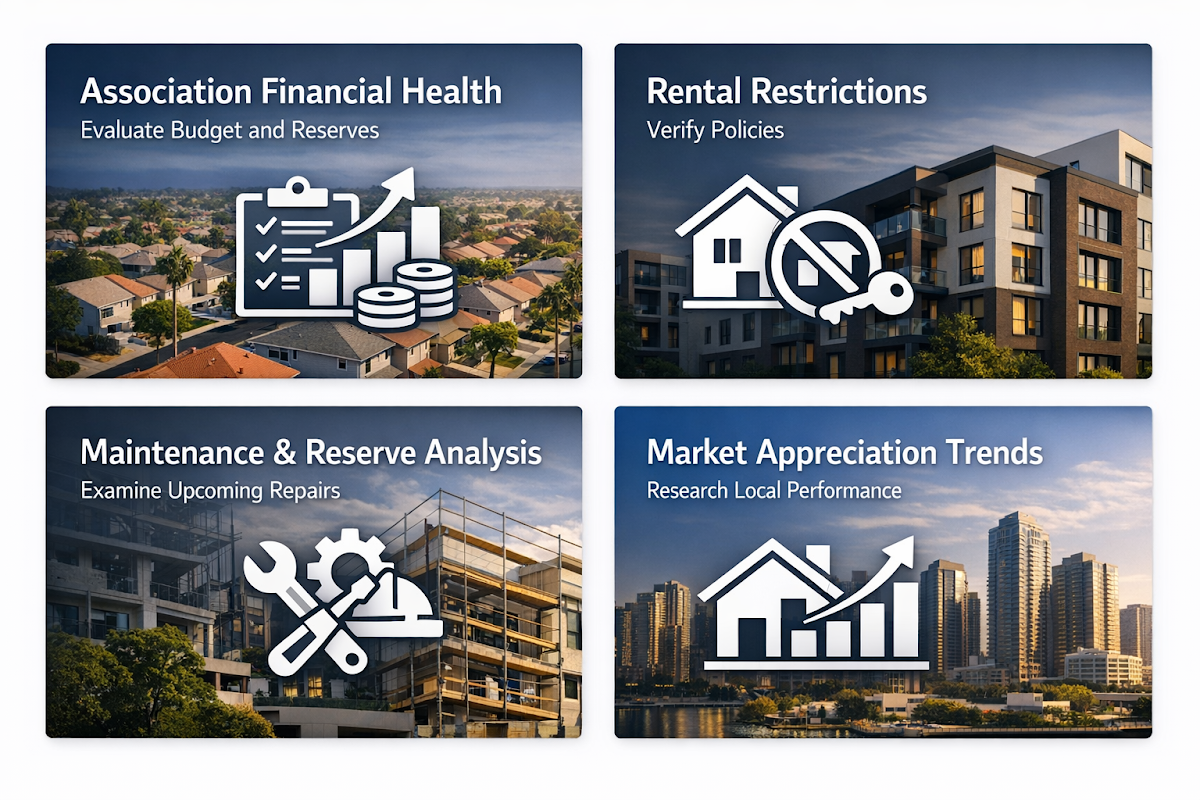
Before diving into condo investments, investors need to evaluate several critical factors that can make or break their investment success. This essential pre-purchase checklist helps identify potential red flags and opportunities.
- Association Financial Health: Review the condo association's budget, reserve funds, and any pending special assessments that could impact your monthly expenses and overall returns
- Rental Restrictions: Verify the association's rental policies, as many condos have owner-occupancy requirements or rental caps that could limit your investment strategy
- Maintenance and Reserve Analysis: Examine upcoming major repairs or improvements that might require special assessments, affecting your cash flow projections
- Market Appreciation Trends: Research local condo market performance compared to single-family homes, as condos may not appreciate at the same rate in certain markets
Key Condo Loan Requirements for Investors
Securing financing for condo investments involves meeting specific condo loan requirements that differ from traditional single-family home mortgages. These requirements can significantly impact your ability to close deals quickly.
- Higher Down Payment Standards: Most lenders require larger down payments for condo investments, typically ranging from 20% to 25% for investment properties
- Project Approval Requirements: The condo project must be approved by your lender, which can delay closing if the building isn't already on their approved list
- Debt-to-Income Considerations: Lenders factor in association fees when calculating your debt-to-income ratio, potentially reducing your borrowing capacity
- Cash Reserve Expectations: Many lenders require additional cash reserves beyond the down payment to account for potential association fee increases or special assessments
Managing Association Fees in Your Investment Strategy
Understanding condo association fees and mortgages requires careful analysis of how these monthly expenses impact your investment returns. Association fees can significantly affect your cash flow calculations and overall profitability.
- Fee Structure Analysis: Evaluate what services are included in association fees, such as maintenance, utilities, insurance, and amenities that might reduce your operational costs
- Historical Fee Trends: Research the association's fee increase history over the past five years to predict future expense growth and its impact on your returns
- Special Assessment Risk: Factor potential special assessments into your investment model, as these one-time expenses can dramatically affect short-term cash flow
- Tax Deduction Opportunities: Understand which portions of association fees may be tax-deductible for investment properties to optimize your tax strategy
Step-by-Step Condo Financing Process
Navigating the condo financing process requires a systematic approach to avoid delays and ensure successful closing. This step-by-step process helps streamline your mortgage for a condo application.
- Pre-qualification and Lender Selection: Shop multiple lenders who specialize in condo financing and investment properties, comparing rates and terms specific to your investment strategy
- Project Approval Verification: Confirm the condo project is approved by your chosen lender before making an offer, or factor approval time into your closing timeline
- Document Preparation and Submission: Gather required financial documents including tax returns, bank statements, and rental income projections for investment property qualification
- Appraisal and Final Underwriting: Coordinate with the lender during the appraisal process and respond quickly to any underwriting requests to maintain your closing schedule
Comparing Condo vs Single-Family Investment Returns
When evaluating a condo vs. single-family home mortgage decision, investors must consider multiple factors that affect long-term profitability. This comparison helps determine which property type aligns better with your investment goals.
- Appreciation Potential Analysis: Compare historical appreciation rates in your target market, noting that condos might not appreciate at the same rate as single-family homes in certain areas
- Maintenance and Management Costs: Calculate the total cost of ownership including association fees versus individual property maintenance expenses for single-family homes
- Rental Market Demand: Assess rental demand for condos versus single-family homes in your target area, considering tenant preferences and rental rate potential
- Financing Cost Comparison: Factor in the typically higher interest rates for condo mortgages when calculating overall investment returns and cash-on-cash yields
Strategies for Securing Competitive Condo Mortgage Rates
While condo mortgage rates are generally higher than single-family home rates, savvy investors can employ strategies to secure the most competitive financing available for their investments.
- Relationship Banking Approach: Develop relationships with portfolio lenders and community banks that may offer more favorable terms for repeat investors with proven track records
- DSCR Loan Consideration: Explore debt-service coverage ratio loans that focus on the property's income potential rather than personal income, potentially offering better terms for investment condos
- Timing and Market Conditions: Monitor interest rate trends and time your purchases during favorable market conditions to minimize borrowing costs over the loan term
- Credit and Financial Optimization: Maintain excellent credit scores and strong financial reserves to qualify for the best available rates in the investment condo market
Strategic Investment Takeaways
Successfully investing in condominiums requires understanding the unique financing landscape and associated costs that come with this property type. While condo mortgages typically carry higher interest rates and involve additional complexities like association fees and project approvals, they can still provide solid returns when approached strategically. The key lies in thorough due diligence, proper financial modeling that accounts for all associated costs, and working with lenders who understand the investment condo market. By factoring these considerations into your investment strategy, you can make informed decisions about whether condo investments align with your portfolio goals and risk tolerance.
●Conclusion
Navigating the mortgage for a condo market requires expertise and strategic planning, but the opportunities in urban and high-density markets can be substantial for informed investors. Understanding the nuances of condo financing, from higher rates to association fee impacts, positions you to make better investment decisions and optimize your returns.
At Trulo Mortgage, we specialize in investment property financing solutions that help real estate investors navigate complex markets like condominiums. Our team understands the unique challenges of condo investments and can help structure financing that aligns with your investment strategy and cash flow objectives.