
Business Loan Interest Rates: A Real Estate Investor's Guide to 2026 Financing
Business loan interest rates have become a critical factor for real estate investors navigating today's financing landscape. With DSCR loans requiring minimum ratios of 1.00 or higher and commercial mortgage rates fluctuating throughout 2026, understanding how these rates impact your investment strategy is essential for maximizing returns.
The current lending environment presents both challenges and opportunities for savvy investors. While some lenders have tightened credit standards, increased institutional capital and product innovation in the DSCR lending space have created new pathways for rental property financing. This guide examines the key factors that influence business loan interest rates and provides actionable insights for optimizing your investment financing approach.
Smart Financing Strategies: What to Do
Smart financing strategies can significantly impact the business loan interest rates you'll secure for your rental property investments. Following these proven approaches helps position you for the most favorable terms available in today's market.
- Target markets with strong rent growth and favorable price-to-rent ratios to maximize cash flow potential and meet DSCR requirements more easily
- Maintain a DSCR of 1.25 or higher to access the most competitive rates and leverage options from lenders
- Stay informed about evolving DSCR loan products including new hybrid structures and institutional capital opportunities
- Consider multifamily investments where increased lending caps from government-sponsored enterprises may offer more competitive financing terms
Common Financing Mistakes: What to Avoid
Avoiding these common pitfalls can save you from unfavorable business loan interest rates and financing challenges that could derail your investment goals.
- Don't ignore your debt service coverage ratio as lenders typically require a minimum DSCR of 1.00 with better rates reserved for higher ratios
- Avoid rushing into deals without understanding current market rates as commercial mortgage rates continue to fluctuate throughout 2026
- Don't overlook the importance of market selection as investing in areas with weak rent growth can negatively impact your ability to service debt
- Avoid limiting yourself to traditional loan products when hybrid DSCR structures and innovative lending solutions may offer better terms
Understanding Average Business Loan Interest Rates
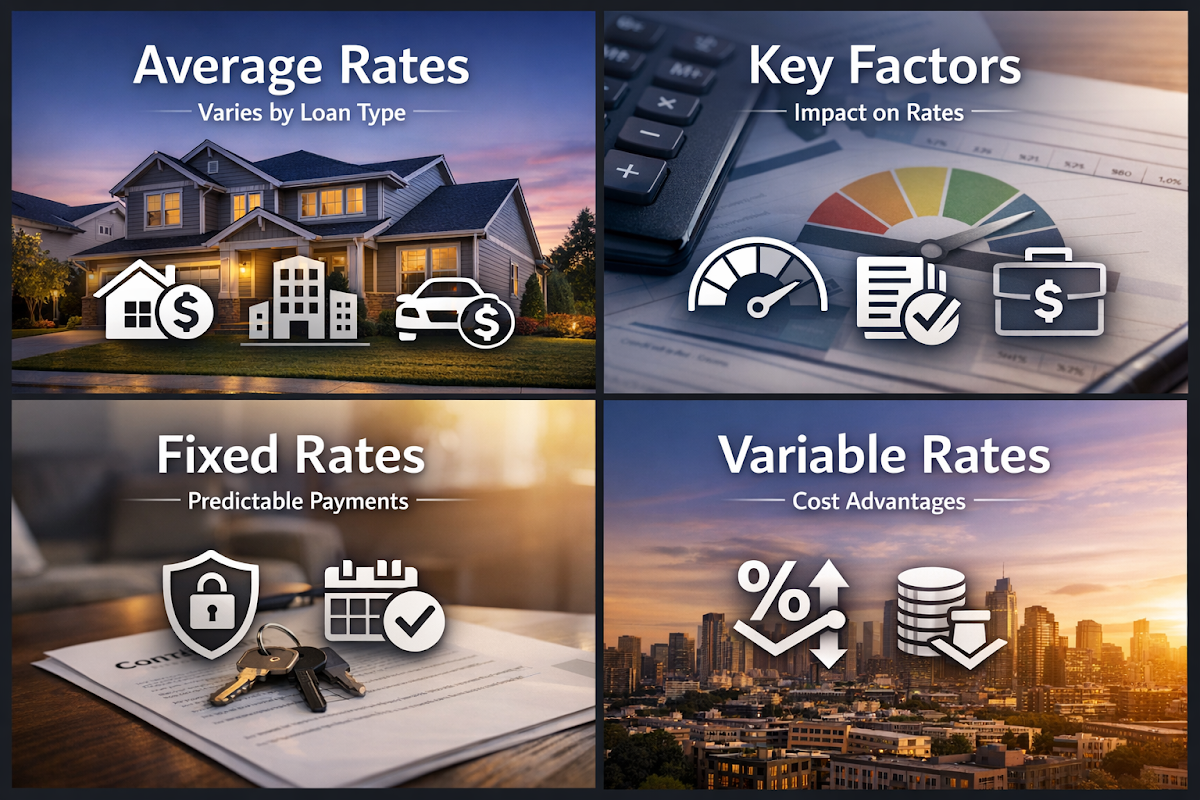
Average business loan interest rates for real estate investors vary significantly based on loan type, property characteristics, and borrower qualifications. Understanding these variations helps you set realistic expectations and plan accordingly.
- DSCR loan rates typically range based on your debt service coverage ratio with ratios of 1.25 or higher accessing the most favorable pricing tiers
- Commercial mortgage rates fluctuate with broader market conditions and current economic factors affecting the lending environment in 2026
- Bridge loan rates often carry higher costs but provide the speed and flexibility needed for fix and flip projects and quick acquisitions
- Rental property loan rates may offer competitive terms especially in markets with strong fundamentals and cash flow potential
- Institutional capital entering the market may create more competitive rate environments for qualified borrowers
Key Factors Affecting Business Loan Rates
Several key factors affecting business loan rates directly impact the financing costs you'll encounter as a real estate investor. Understanding these variables helps you optimize your loan applications and investment strategies.
- Your debt service coverage ratio serves as the primary underwriting factor with higher ratios leading to better rate offerings from most lenders
- Property location and market fundamentals influence rate pricing as lenders favor areas with strong rent growth and stable demand
- Credit standards and borrower qualifications continue to evolve with some lenders tightening requirements while others expand their programs
- Loan-to-value ratios and down payment amounts directly correlate with the interest rates offered by lending institutions
Fixed vs Variable Interest Rates for Business Loans
The choice between fixed vs variable interest rates for business loans represents a crucial decision that can significantly impact your long-term investment returns and cash flow stability.
- Fixed rates provide payment predictability which may be beneficial for long-term rental property holds where consistent cash flow is essential
- Variable rates might offer initial cost advantages but could expose investors to payment increases if market rates rise during the loan term
- Hybrid rate structures are emerging in DSCR lending offering combinations that may balance initial affordability with long-term stability
- Rate lock options and timing considerations become important factors when market conditions suggest potential rate movements
●Conclusion
Business loan interest rates in 2026 present both opportunities and challenges for real estate investors. While maintaining a strong DSCR of 1.25 or higher remains crucial for accessing favorable rates, the evolving landscape of DSCR lending products and increased institutional capital creates new possibilities for strategic investors.
Success in today's market requires staying informed about rate trends, focusing on high-growth markets with strong fundamentals, and understanding how different loan structures can impact your investment returns. Whether you're pursuing fix and flip projects, building a rental property portfolio, or exploring commercial real estate opportunities, the right financing approach can make the difference between mediocre and exceptional returns.
As lending standards continue to evolve and new hybrid products emerge, working with experienced mortgage professionals who understand investor needs becomes increasingly valuable. The key is maintaining flexibility while positioning your investments and financing strategy to take advantage of the most competitive rates available in your target markets.