
Business Loan for Importing Goods: Financing Solutions for Real Estate Investors
Real estate investors often need to source materials, fixtures, and supplies from international markets to maximize their project margins and access unique products. Whether you're importing tile from Italy for a luxury flip, sourcing fixtures from Asia for multiple rental properties, or bringing in specialized construction materials, securing the right business loan for importing goods can make or break your investment timeline and profitability.
Import financing presents unique challenges that differ from traditional real estate investment loans. Payment terms, international banking requirements, and supply chain timing all factor into your financing strategy. Understanding your options could help you maintain cash flow while expanding your material sourcing capabilities.
Traditional Import Financing Options
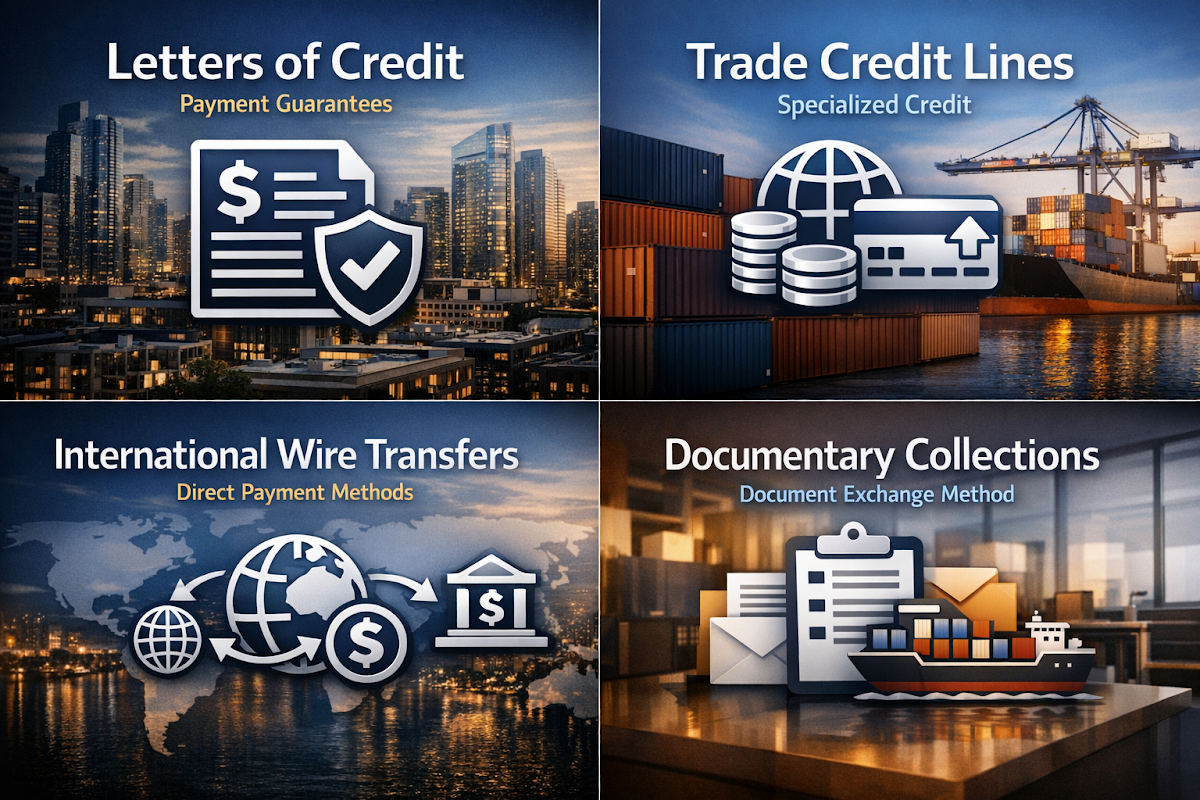
Traditional import financing options provide the foundation for most international trade transactions in real estate investing. These established financing methods have been used by investors for decades to fund material imports and maintain project timelines.
- Letters of Credit: Banks typically issue these payment guarantees to foreign suppliers, which may help establish trust in international transactions while protecting both parties during the exchange process.
- Trade Credit Lines: Some financial institutions offer specialized credit lines designed for import transactions, potentially allowing investors to manage multiple shipments across different projects simultaneously.
- International Wire Transfers: Direct payment methods that might facilitate immediate transactions, though they often require full payment upfront and could impact working capital management.
- Documentary Collections: A payment method where banks handle document exchange between parties, which may provide some protection while potentially reducing transaction costs compared to letters of credit.
Working Capital Solutions for Import Projects
Working capital for importers becomes crucial when managing the gap between material purchases and project completion. Real estate investors often need flexible financing that aligns with their project timelines and cash flow patterns.
- Revolving Credit Lines: These facilities might allow investors to draw funds as needed for different import shipments, potentially providing flexibility to manage multiple projects with varying material requirements and delivery schedules.
- Invoice Financing: Some lenders may offer financing against purchase orders or invoices from suppliers, which could help bridge the gap between ordering materials and receiving rental income or sale proceeds from completed projects.
- Inventory Financing: Specialized lending that uses imported materials as collateral might help investors who purchase materials in bulk for multiple properties, potentially reducing per-unit costs while managing cash flow effectively.
- Bridge Financing: Short-term loans that could cover import costs while investors wait for permanent financing or project completion, often structured to align with typical fix and flip timelines.
Supply Chain Financing for Real Estate Investors
Supply chain financing for importers has evolved to address the complex timing and payment structures inherent in international material sourcing. These solutions may help real estate investors optimize their cash flow while maintaining reliable supplier relationships.
- Supplier Payment Programs: Some financial institutions offer programs that might allow investors to extend payment terms with suppliers while the lender pays the supplier promptly, potentially improving supplier relationships and negotiating power.
- Purchase Order Financing: Lenders may provide funding based on confirmed purchase orders, which could help investors secure materials before having full project funding in place, particularly useful for competitive flip markets.
- Multi-Currency Facilities: International transactions often involve currency fluctuations that could impact project budgets, and some lenders offer facilities that might help manage these risks through hedging or multi-currency credit lines.
- Consolidated Shipping Finance: Programs that might allow investors to combine multiple smaller orders into larger shipments, potentially reducing shipping costs and simplifying financing across multiple import transactions.
Letter of Credit Programs for Import Transactions
Letter of credit for imports remains one of the most widely accepted methods for securing international transactions in the construction and real estate materials market. These instruments may provide security for both investors and suppliers in cross-border transactions.
- Standby Letters of Credit: These instruments might serve as backup payment guarantees, potentially allowing investors to negotiate better terms while providing suppliers with payment security, often useful for establishing relationships with new international suppliers.
- Commercial Letters of Credit: Traditional payment mechanisms that may facilitate direct transactions between investors and suppliers, with banks handling the documentation and payment process to reduce transaction risks for both parties.
- Revolving Letters of Credit: For investors who regularly import from the same suppliers, revolving facilities might provide ongoing financing capacity without requiring new applications for each transaction, potentially streamlining the procurement process.
- Transferable Letters of Credit: These instruments might allow investors to transfer portions of their credit to sub-suppliers or contractors, potentially creating more flexible supply chain arrangements for complex renovation projects.
International Trade Loan Structures
International trade loans for real estate investors typically require different underwriting criteria and documentation compared to traditional property loans. Understanding these structures may help investors prepare more effectively for the application process.
- Pre-Export Financing: Though less common for real estate investors, some lenders might offer financing based on future export contracts or international property sales, potentially useful for investors involved in international real estate development projects.
- Import-Export Combination Loans: Some facilities might combine import financing with export capabilities, potentially beneficial for investors who both source international materials and develop properties for international buyers or tenants.
- Seasonal Credit Lines: For investors whose import needs fluctuate based on construction seasons or market conditions, seasonal facilities might provide cost-effective financing that aligns with actual usage patterns rather than maintaining year-round credit capacity.
- Project-Specific Import Financing: Lenders may structure loans around specific development projects, potentially allowing for more favorable terms when the end use and timeline are clearly defined, particularly useful for large-scale development or multiple property renovations.
●Conclusion
Securing appropriate financing for importing goods as a real estate investor requires careful consideration of your project timelines, cash flow needs, and supplier relationships. The various financing options available each offer different advantages depending on your specific situation and investment strategy.
Whether you choose traditional letters of credit, working capital solutions, or specialized trade financing, the key lies in matching your financing structure to your project requirements and risk tolerance. Many successful investors find that establishing relationships with lenders who understand both real estate investing and international trade can provide significant advantages in structuring deals.
Consider consulting with financial institutions that specialize in both real estate investment lending and international trade finance to explore which combination of solutions might work best for your importing needs and overall investment strategy.