
Business Loan for Payroll Solutions
Real estate investors often face cash flow challenges when managing their property investment businesses. A business loan for payroll can provide the financial flexibility needed to maintain operations while pursuing new investment opportunities. These financing solutions help investors bridge temporary gaps between rental income, property sales, and operational expenses.
Understanding payroll financing options becomes crucial when your investment business relies on contractors, property managers, or administrative staff. The right funding strategy might help you maintain consistent operations while optimizing your investment portfolio for maximum returns.
Essential Payroll Financing Options for Property Investors
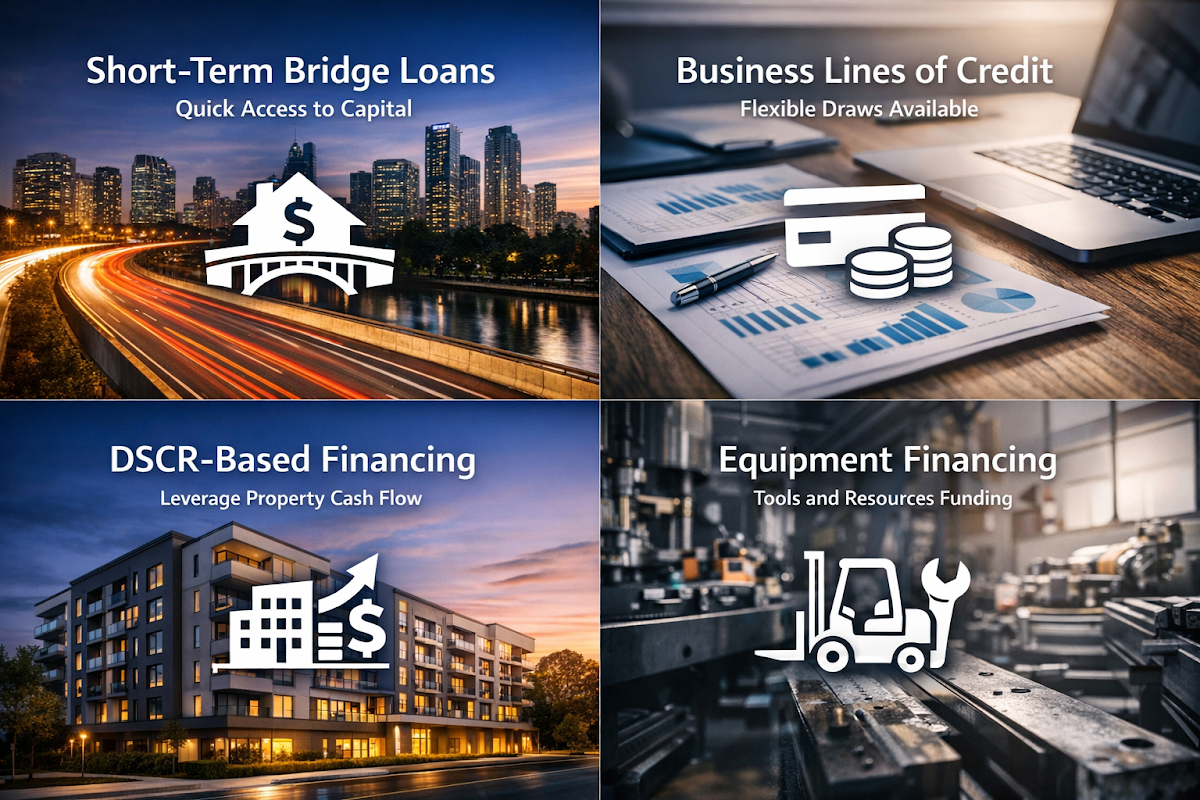
Essential payroll financing options for property investors include several strategic approaches that could help maintain steady cash flow. These funding solutions typically align with the unique needs of real estate investment businesses.
- Short-term bridge loans that provide quick access to working capital between property acquisitions and sales
- Business lines of credit offering flexible draws based on seasonal rental income fluctuations
- DSCR-based financing that leverages property cash flow to secure operational funding
- Equipment financing for property management tools and contractor resources
Key Requirements for Business Loan Applications
Key requirements for business loan applications typically focus on demonstrating your investment business's financial stability and growth potential. Lenders often evaluate these critical factors when considering payroll financing requests.
- Detailed cash flow statements showing rental income and property management expenses
- Business credit scores that reflect responsible financial management practices
- Property portfolio documentation proving asset values and income potential
- Comprehensive business plans outlining growth strategies and market opportunities
Managing Payroll Expenses During Market Fluctuations
Managing payroll with a business loan requires strategic planning during varying market conditions. Real estate investors might face seasonal rental income changes or unexpected vacancy periods that impact cash flow.
- Establishing reserve funds to cover three to six months of payroll obligations
- Creating flexible staffing arrangements that adjust with property portfolio performance
- Implementing automated payment systems that optimize cash flow timing
- Diversifying revenue streams across different property types and geographic markets
Calculating Optimal Loan Amounts and Terms
Calculating optimal loan amounts and terms involves analyzing your property investment business's specific financial patterns and growth projections. This strategic approach helps ensure sustainable debt service while maintaining operational flexibility.
- Analyze your average monthly payroll costs across all properties and administrative functions
- Factor in seasonal variations and potential portfolio expansion needs
- Calculate debt service coverage ratios using current and projected rental income
- Compare loan terms from multiple lenders to optimize interest costs and repayment flexibility
- Structure repayment schedules that align with your typical cash flow cycles
Interest Rate Considerations and Cost Management
Payroll loan interest rates vary significantly based on loan structure, business creditworthiness, and current market conditions. Understanding these factors helps investors make informed financing decisions.
- Compare fixed-rate options that provide payment predictability against variable rates that might offer initial savings
- Evaluate SBA loan programs that could offer favorable terms for qualified real estate businesses
- Consider collateral requirements and how property assets might secure better interest rates
- Review fee structures including origination costs, processing fees, and prepayment penalties
Strategic Implementation for Investment Success
Strategic implementation of payroll financing can significantly enhance your real estate investment operations when executed properly. Smart structuring approaches, similar to DSCR loan optimization strategies, might improve your overall financing outcomes and business growth potential. The key lies in aligning your funding payroll expenses with your property acquisition and management strategies, creating a cohesive financial framework that supports both immediate operational needs and long-term investment goals.
●Conclusion
A business loan for payroll represents more than just operational funding for real estate investors. It's a strategic tool that enables consistent business operations while pursuing growth opportunities in competitive markets. By carefully evaluating financing options, understanding interest rate structures, and implementing smart cash flow management practices, investors can maintain stable operations regardless of market fluctuations.
The most successful property investors typically combine multiple financing strategies, using payroll loans as part of a broader financial plan that includes DSCR loans, bridge financing, and other investment-focused products. This comprehensive approach provides the flexibility needed to capitalize on opportunities while maintaining the operational stability that tenants and business partners expect.