
Business Loan for Expansion: Scaling Your Real Estate Investment Portfolio
Securing a business loan for expansion can be the catalyst that transforms a modest real estate investment portfolio into a substantial income-generating empire. For property investors looking to scale beyond their initial acquisitions, expansion financing opens doors to new markets, additional rental properties, and diversified investment strategies.
The real estate investment landscape offers numerous opportunities for growth, but capital constraints often limit how quickly investors can capitalize on market conditions. Whether you're eyeing a multi-unit rental property, considering a fix and flip project in a new market, or planning to establish multiple investment locations, understanding your financing options becomes crucial for sustainable expansion.
Smart investors recognize that the right business loan for expansion can provide the leverage needed to accelerate portfolio growth while maintaining healthy cash flow ratios. This comprehensive guide explores the essential strategies, qualification requirements, and financing alternatives that can help you scale your real estate investment business effectively.
Essential Qualification Requirements for Business Expansion Loans
Essential qualification requirements for business loans vary among lenders, but certain criteria typically apply across most financing programs. Understanding these requirements helps investors prepare their applications more effectively and increases approval chances.
- Business Credit Score: Most lenders prefer business credit scores of 650 or higher, though some specialized programs may accept lower scores with compensating factors
- Revenue Documentation: Consistent business revenue history, typically requiring 12-24 months of bank statements and tax returns
- Debt-to-Income Ratios: Many lenders evaluate business debt service coverage ratios, often requiring ratios above 1.25x
- Cash Flow Analysis: Demonstrated positive cash flow from existing investments, particularly important for rental property portfolios
- Down Payment Capacity: Available capital for down payments, typically 20-30% for investment properties
Key Documentation Checklist for Expansion Financing
Key documentation checklist for expansion financing ensures you're prepared when opportunities arise. Having these documents organized and readily available can significantly speed up the application process.
- Financial Statements: Profit and loss statements, balance sheets, and cash flow statements for the past two years
- Tax Returns: Both personal and business tax returns for the previous two to three years
- Property Records: Current rental agreements, property appraisals, and maintenance records for existing investments
- Business Plan: Detailed expansion strategy outlining how the loan will generate returns and support repayment
Strategic Loan Options for Property Portfolio Growth
Strategic loan options for property portfolio growth extend beyond traditional bank financing. Understanding the various funding mechanisms available helps investors choose the most suitable option for their specific expansion goals.
- DSCR Loans: Debt Service Coverage Ratio loans focus on property cash flow rather than personal income, ideal for investors with strong rental income
- Bridge Financing: Short-term loans that provide quick capital for time-sensitive opportunities or properties requiring renovation
- Portfolio Loans: Financing multiple properties under a single loan structure, often offering better terms for established investors
- Commercial Lines of Credit: Flexible financing that allows investors to draw funds as needed for various expansion opportunities
Step-by-Step Application Process for Business Expansion Loans
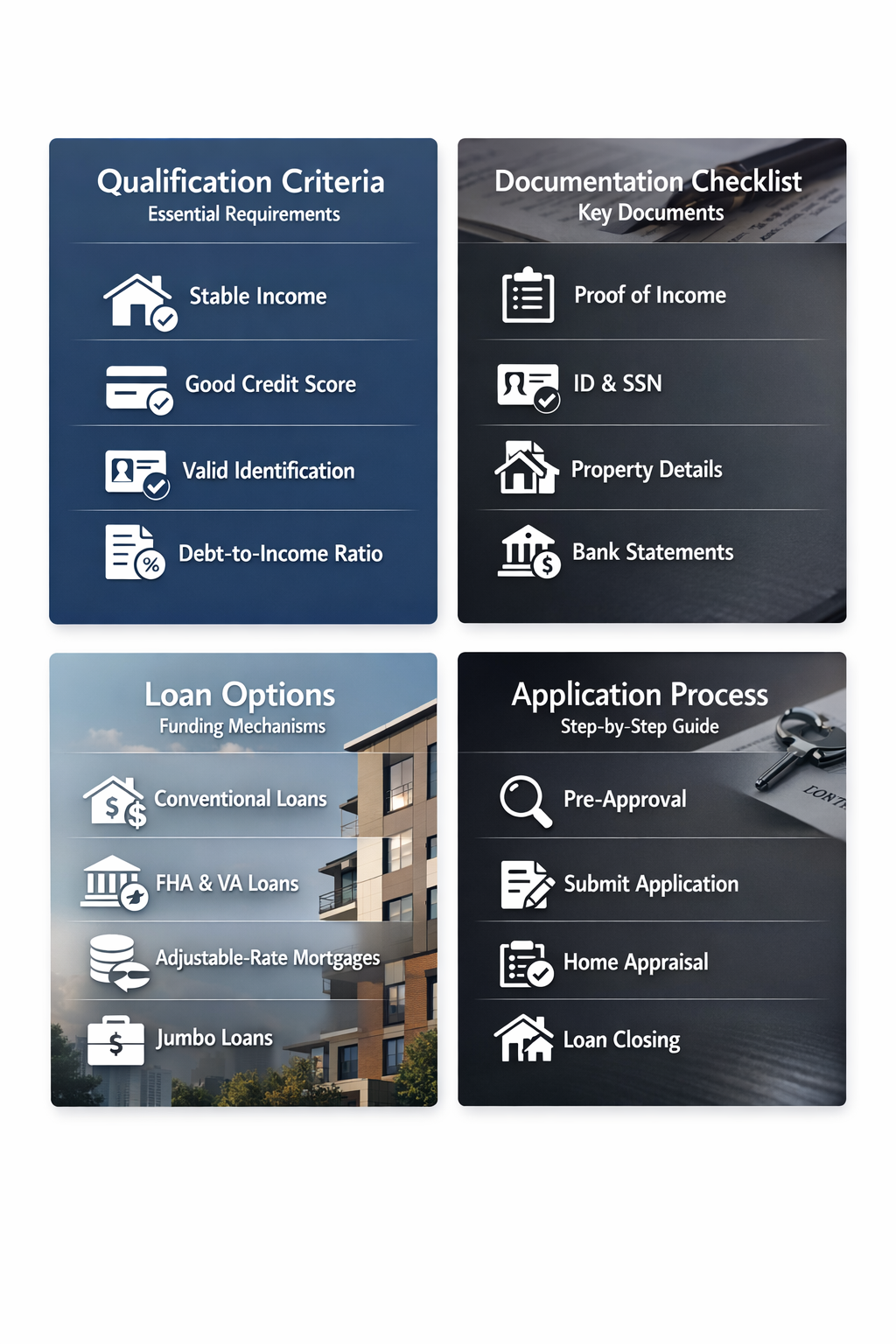
The step-by-step application process for business expansion loans requires careful preparation and strategic timing. Following a systematic approach can help streamline approvals and secure business loans with favorable terms.
- Pre-qualification Assessment: Contact multiple lenders to understand their specific requirements and compare initial terms
- Financial Package Preparation: Compile all required documentation and organize materials in a professional presentation
- Application Submission: Submit complete applications to selected lenders, ensuring accuracy and completeness
- Underwriting Cooperation: Respond promptly to any additional documentation requests during the review process
- Terms Negotiation: Review loan offers carefully and negotiate terms that align with your investment strategy
Timing Strategies for Optimal Expansion Financing
Timing strategies for optimal expansion financing can significantly impact both approval odds and loan terms. Market conditions, personal financial positioning, and property availability all influence the ideal timing for expansion loans.
- Market Analysis: Apply when local real estate markets show stable or improving conditions that support investment returns
- Seasonal Considerations: Time applications during periods when lenders typically have more available capital and competitive rates
- Portfolio Optimization: Ensure existing properties are performing well and generating consistent cash flow before seeking expansion financing
- Credit Positioning: Apply when your business credit profile is at its strongest, typically after establishing positive payment history
Maximizing Success with Your Expansion Strategy
Maximizing success with your expansion strategy requires balancing growth ambitions with financial prudence. The most successful real estate investors approach expansion financing as part of a comprehensive business strategy rather than simply accessing additional capital. Consider your long-term portfolio goals, market conditions, and risk tolerance when evaluating loan options. Remember that sustainable growth often proves more valuable than rapid expansion that strains cash flow or overextends resources. Work with experienced lenders who understand real estate investment dynamics and can structure financing that supports your specific growth objectives.
●Conclusion
Securing a business loan for expansion represents a pivotal step in scaling your real estate investment portfolio. The strategies outlined in this guide provide a foundation for making informed financing decisions that align with your growth objectives. Remember that successful expansion requires more than just access to capital, it demands careful planning, thorough market analysis, and strategic implementation.
The key to sustainable portfolio growth lies in choosing financing options that complement your investment strategy while maintaining healthy cash flow ratios. Whether you pursue DSCR loans for rental properties or bridge financing for fix and flip opportunities, ensure that your expansion plans support long-term profitability rather than short-term gains.
As you move forward with your expansion financing journey, consider working with lenders who specialize in real estate investment loans and understand the unique challenges facing property investors. Their expertise can help you navigate the application process more effectively and secure terms that support your portfolio's continued success.