
Essential Business Loan Eligibility for Startups
Securing business loan eligibility for startups can feel like navigating a maze, especially when you're building something from the ground up. Unlike established businesses with years of financial history, startups face unique challenges when seeking funding. Traditional lenders typically prefer businesses with proven track records, steady cash flow, and established credit profiles. However, understanding what lenders look for and preparing accordingly can significantly improve your chances of approval. From credit requirements to collateral considerations, knowing these essential factors will help position your startup for funding success.
Smart Moves for Startup Loan Applications
Smart moves for startup loan applications can make the difference between approval and rejection. When pursuing business loan eligibility for startups, certain strategies tend to strengthen your position with lenders.
- Build your personal credit score early: Most lenders evaluate startup business loan requirements by first examining the founder's personal credit history, as the business typically lacks its own credit profile.
- Prepare comprehensive financial projections: Create detailed cash flow forecasts and revenue projections that demonstrate your understanding of the business model and market opportunity.
- Research industry-specific lenders: Some financial institutions specialize in particular sectors and may be more familiar with your business type and its typical funding needs.
- Consider starting with smaller loan amounts: Beginning with modest funding requests can help establish a lending relationship and prove your ability to manage debt responsibly.
Common Mistakes That Hurt Startup Funding Chances
Common mistakes that hurt startup funding chances often stem from misunderstanding what lenders expect from new businesses. Avoiding these pitfalls can improve your business loan eligibility for startups significantly.
- Applying without a solid business plan: Many startups rush into loan applications without developing comprehensive business plans that demonstrate market research, competitive analysis, and realistic financial projections.
- Underestimating personal financial requirements: Failing to maintain strong personal credit or having insufficient personal assets can severely limit funding options for new ventures.
- Overlooking alternative funding sources: Focusing solely on traditional bank loans while ignoring SBA programs, equipment financing, or revenue-based financing options that might be more suitable for startups.
- Providing incomplete documentation: Submitting applications with missing financial statements, tax returns, or legal documents can delay the process or result in immediate rejection.
Essential Credit Requirements for New Ventures
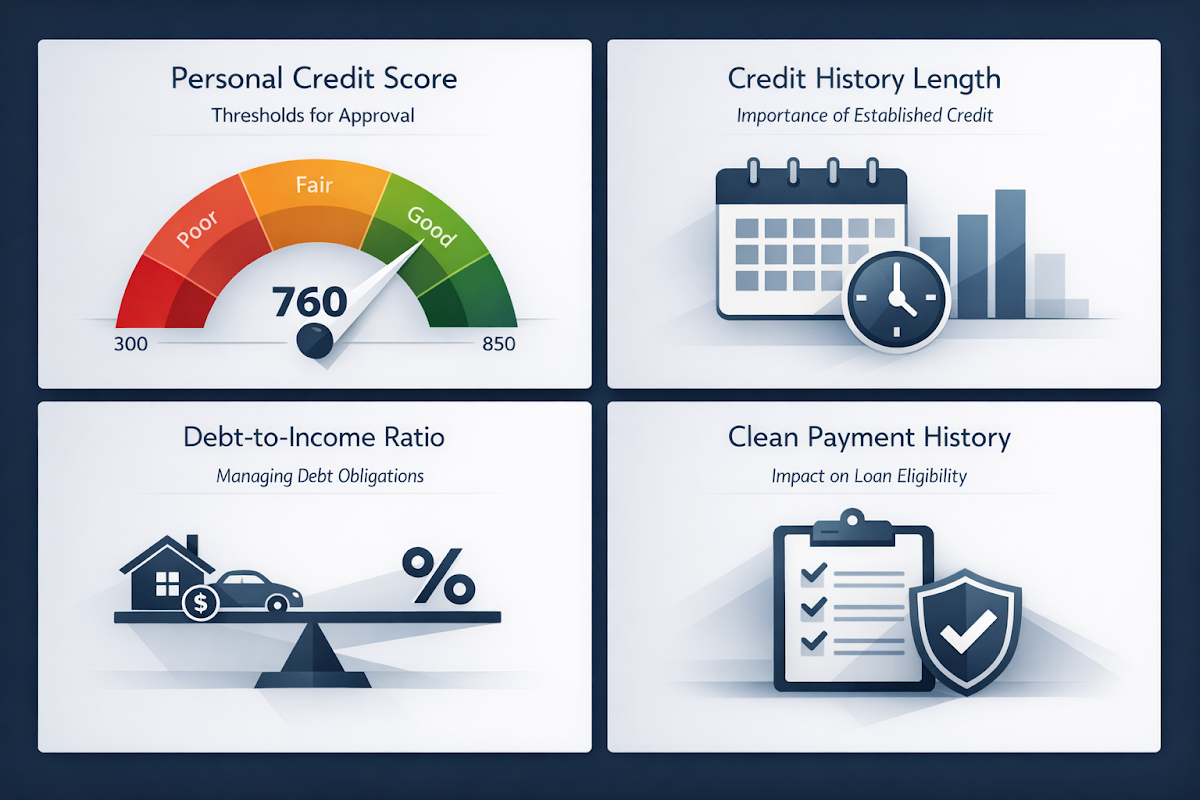
Essential credit requirements for new ventures form the foundation of most startup business loan requirements. Since new businesses typically lack established credit histories, lenders focus heavily on the personal creditworthiness of business owners.
- Personal credit score thresholds: Most traditional lenders prefer personal credit scores of 650 or higher for startup loans, though some specialized lenders may work with scores as low as 580 for certain loan programs.
- Credit history length matters: Lenders typically look for at least two years of established credit history, as this demonstrates your ability to manage debt obligations over time.
- Debt-to-income ratios: Your personal debt-to-income ratio should generally be below 40% to qualify for most startup loan programs, as lenders want assurance you can handle additional debt obligations.
- Clean payment history: Recent late payments, bankruptcies, or other negative marks on your credit report can significantly impact your credit score for startup loans and may require additional explanation or waiting periods.
Collateral Requirements and Asset Protection Strategies
Collateral requirements and asset protection strategies play a crucial role in collateral for startup business loans. Understanding what assets lenders accept and how to structure these arrangements can improve your funding prospects while protecting your interests.
- Personal asset evaluation: Lenders may require personal assets such as real estate, vehicles, or investment accounts as collateral, particularly when business assets are limited or unproven.
- Business asset pledging: Equipment, inventory, or accounts receivable might serve as collateral, though their value must be sufficient to secure the loan amount requested.
- Blanket lien considerations: Some lenders may require a blanket lien on all business assets, which gives them broad rights to business property in case of default.
- Personal guarantee implications: Most startup loans require personal guarantees from business owners, meaning you're personally liable for repayment even if the business fails.
Business Plan Development for Loan Success
Business plan development for loan success requires creating a comprehensive document that addresses every aspect of your venture. A strong business plan for loan applications demonstrates your understanding of the market, competition, and financial requirements.
- Executive summary and company overview: Provide a clear, concise explanation of your business concept, target market, and competitive advantages that will drive revenue growth.
- Market analysis and competitive positioning: Include detailed research about your industry, target customers, market size, and how your business will compete effectively in the marketplace.
- Financial projections and funding needs: Present realistic revenue forecasts, expense projections, and cash flow analysis that justify your loan request and demonstrate repayment ability.
- Management team and operational plans: Highlight the experience and qualifications of key team members, along with detailed operational procedures that will ensure business success.
●Conclusion
Achieving business loan eligibility for startups requires careful preparation, realistic expectations, and strategic positioning. While the process might seem daunting, understanding credit requirements, collateral considerations, and the importance of comprehensive business planning will significantly improve your chances of securing funding. Remember that building strong personal credit, preparing detailed financial projections, and researching appropriate lenders are investments in your business's future. Each element works together to create a compelling case for why your startup deserves funding. With proper preparation and persistence, you can navigate the lending landscape successfully and secure the capital needed to launch and grow your venture.