
Real estate investors often need flexible financing solutions that can adapt to their unique cash flow patterns and investment opportunities. A Business Line of Credit Explained simply is a revolving credit facility that provides access to funds when needed, making it an attractive option for property investors managing multiple deals simultaneously. Unlike traditional term loans, a business line of credit offers the flexibility to draw funds as needed and only pay interest on the amount used, which can be particularly valuable for investors who face unpredictable expenses or seasonal revenue fluctuations in their real estate portfolios.
Essential Tips for Securing Your Business Line of Credit
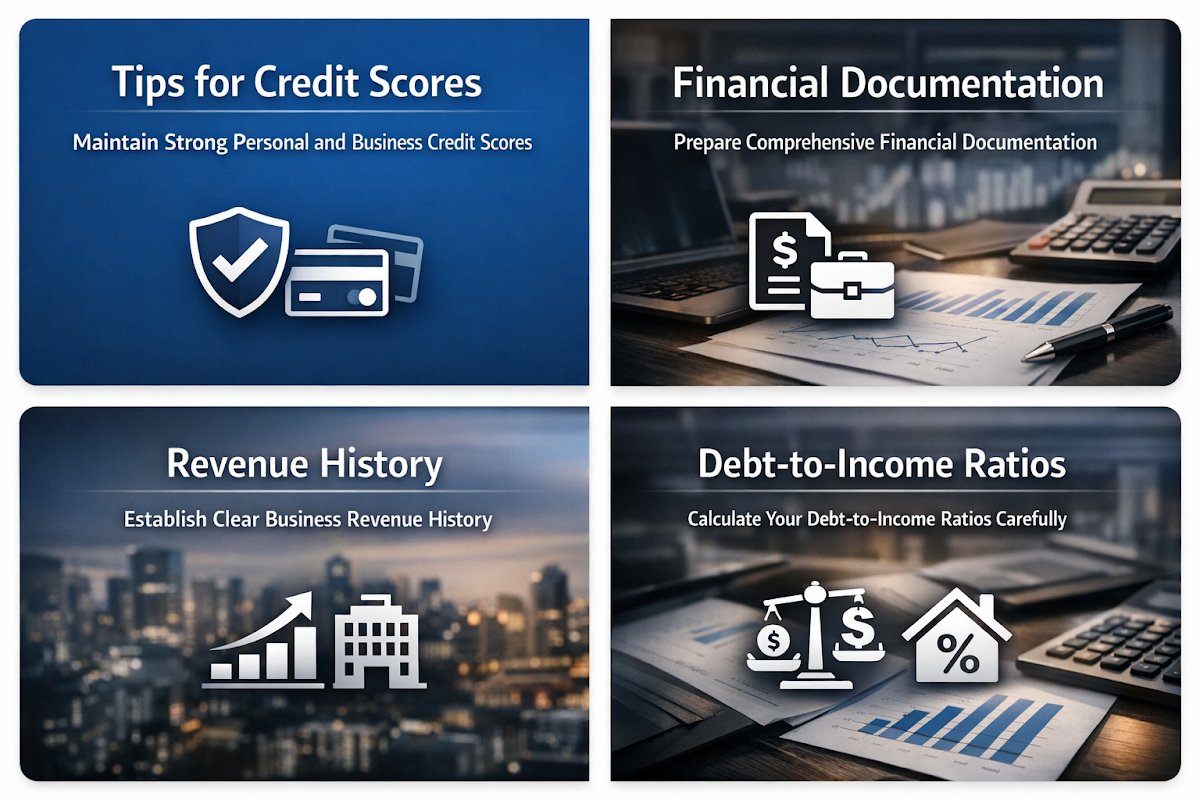
Essential tips for securing your business line of credit can make the difference between approval and rejection for real estate investors.
- Maintain Strong Personal and Business Credit Scores: Most lenders typically require personal credit scores of 650 or higher, though some may accept scores as low as 600. Your business credit profile should also demonstrate responsible payment history and low utilization ratios.
- Prepare Comprehensive Financial Documentation: Lenders often request two to three years of business tax returns, profit and loss statements, and bank statements. Real estate investors should also prepare rent rolls and property performance data to demonstrate cash flow stability.
- Establish Clear Business Revenue History: Most financial institutions prefer to see at least one to two years of consistent business revenue. Newer real estate investment businesses might face more stringent requirements or higher interest rates until they establish a track record.
- Calculate Your Debt-to-Income Ratios Carefully: Many lenders evaluate both personal and business debt obligations when determining creditworthiness. Real estate investors should account for existing mortgage payments and property-related expenses in their calculations.
Key Requirements for Business Line of Credit Approval
Understanding business line of credit requirements helps real estate investors prepare their applications effectively and improve their chances of approval.
- Business Age and Legal Structure: Most lenders typically require businesses to be operational for at least six months to two years, though some may work with newer entities. Your business should be properly registered as an LLC, corporation, or partnership, with appropriate licenses for real estate investment activities.
- Minimum Revenue Thresholds: Financial institutions often set minimum annual revenue requirements, which can range from $50,000 to $250,000 depending on the lender and credit line amount requested. Real estate investors should demonstrate consistent rental income or property sale proceeds to meet these thresholds.
- Collateral and Personal Guarantees: Many business lines of credit may require personal guarantees from business owners, particularly for newer real estate investment companies. Some lenders might also request collateral in the form of business assets or real estate holdings to secure larger credit lines.
- Cash Flow Documentation: Lenders typically analyze your business cash flow patterns to ensure you can service the debt. Real estate investors should prepare detailed cash flow projections that account for seasonal variations in rental income and property expenses.
Understanding Interest Rates and Pricing Structure
Business line of credit interest rates and pricing structures vary significantly among lenders and can impact your real estate investment returns.
- Variable Rate Considerations: Most business lines of credit feature variable interest rates tied to prime rate or other benchmark rates. Real estate investors should understand that rates may fluctuate over time, potentially affecting their property investment calculations and cash flow projections.
- Draw Period vs. Repayment Period Structure: Many credit lines operate with distinct draw periods where you can access funds and repayment periods where no new draws are allowed. Understanding these phases helps investors plan their property acquisition and renovation timelines accordingly.
- Additional Fees and Costs: Beyond interest rates, lenders often charge annual fees, maintenance fees, or unused line fees. Some financial institutions may also impose draw fees or early termination penalties that real estate investors should factor into their cost calculations.
- Credit Utilization Impact on Rates: Some lenders may offer tiered pricing based on how much of your available credit you typically use. Real estate investors who maintain lower utilization ratios might qualify for more favorable rates over time.
Strategic Applications for Working Capital Management
Using a business line of credit for working capital provides real estate investors with flexible funding solutions for various property-related expenses and opportunities.
- Property Renovation and Improvement Projects: A business line of credit can bridge the gap between property acquisition and permanent financing for fix and flip projects. Investors can draw funds as renovation costs arise, then repay the line when the property sells or refinances into long-term financing.
- Seasonal Cash Flow Management: Real estate investors often face seasonal variations in rental income or property sales. A credit line provides access to funds during slower periods, allowing investors to maintain their operations and cover ongoing expenses like property taxes, insurance, and maintenance costs.
- Opportunity Fund for Quick Property Acquisitions: When attractive investment properties become available, having an established business line of credit may enable faster acquisitions while permanent financing is arranged. This speed advantage can be crucial in competitive real estate markets.
- Operating Expense Coverage and Emergency Repairs: Unexpected property repairs, vacancy periods, or other operational challenges can strain cash flow. A business line of credit provides a safety net that allows investors to address these issues promptly without disrupting their overall investment strategy.
Application Process and Documentation Requirements
The application process for how to get a business line of credit involves several steps and extensive documentation that real estate investors should prepare in advance.
- Initial Application and Basic Information: Most lenders begin with basic business information including legal structure, years in operation, and primary business activities. Real estate investors should clearly describe their investment focus, whether residential rentals, commercial properties, or fix and flip projects.
- Financial Documentation Submission: Lenders typically require comprehensive financial records including business tax returns, profit and loss statements, balance sheets, and bank statements. Real estate investors should also provide rent rolls, property schedules, and cash flow analyses to demonstrate their portfolio performance.
- Credit Review and Underwriting Process: The underwriting process may take several weeks as lenders evaluate both personal and business creditworthiness. Some financial institutions might require additional documentation or clarification during this phase, particularly regarding complex real estate investment structures.
- Final Approval and Credit Line Setup: Once approved, lenders typically provide access to funds through online banking platforms, checks, or credit cards. Real estate investors should understand the draw procedures and any restrictions on fund usage before accessing their credit line.
Comparing Business Lines of Credit to Alternative Financing
Comparing business lines of credit to alternative financing options helps real estate investors choose the most suitable funding strategy for their investment goals.
- Flexibility vs. Fixed Terms: Business lines of credit offer more flexibility than traditional term loans, allowing investors to draw funds as needed rather than receiving a lump sum. This structure may be more cost-effective for investors who don't need all funds immediately or have variable funding requirements.
- Interest Cost Comparison: While business lines of credit might have higher interest rates than traditional bank loans, investors only pay interest on funds actually used. This can result in lower overall borrowing costs compared to fixed-term loans where interest accrues on the entire principal balance.
- Speed and Accessibility: Once established, business lines of credit provide faster access to funds compared to applying for new loans for each property investment. This speed advantage can be valuable in time-sensitive real estate transactions or emergency situations.
- Loan Amount and Collateral Requirements: Business lines of credit may offer lower maximum amounts compared to specialized real estate loans like DSCR or fix and flip financing. Investors pursuing larger acquisitions might need to combine credit lines with other financing strategies.
●Conclusion
A business line of credit can serve as a valuable financial tool for real estate investors seeking flexible access to working capital and short-term funding solutions. While the application process requires thorough preparation and documentation, the revolving nature of these credit facilities may provide the agility needed to capitalize on investment opportunities and manage cash flow fluctuations. Real estate investors should carefully evaluate their specific needs, compare terms from multiple lenders, and consider how a business line of credit fits within their broader financing strategy alongside specialized investment property loans and other funding sources. Success with this financing tool typically depends on maintaining strong credit profiles, demonstrating consistent cash flows, and using the credit responsibly to support profitable real estate investment activities.