
Congratulations on the promotion — that's a major milestone. But if you're also sitting on an adjustable-rate mortgage, your timing might be better than you think. A job promotion that comes with a salary increase or bonus can meaningfully strengthen your refinance application. Still, many homeowners aren't sure how lenders treat that new income, especially when part of it comes from bonuses rather than a fixed salary. The good news is that understanding the process puts you in a much stronger position. This article walks through the best options for refinancing ARM mortgage with recent job promotion bonus income — what lenders look for, which loan products may suit your situation, and how to approach the process strategically.
Why Homeowners With ARMs Often Consider Refinancing
An adjustable-rate mortgage can feel like a smart move in a low-rate environment. The initial fixed period often offers a lower rate than comparable fixed-rate loans, which helps with affordability in the early years. But once the adjustment period kicks in, your interest rate — and therefore your monthly payment — can shift based on market index movements. That unpredictability is uncomfortable for many homeowners, particularly those planning to stay in their home long-term.
Refinancing out of an ARM into a fixed-rate mortgage offers payment stability. You lock in one rate for the life of the loan, which makes budgeting easier and removes the anxiety of wondering what your next rate adjustment might look like. For homeowners who've recently experienced a positive career change, this can be an ideal window. A higher income may improve your debt-to-income ratio, and a stronger financial profile could qualify you for better loan terms than you had when you first purchased.
It's worth noting that refinancing isn't free — closing costs typically apply, and the long-term math should work in your favor before you commit. A break-even analysis, comparing your closing costs to the monthly savings you'd gain, can help you decide whether the timing makes sense.
How Lenders Evaluate a Recent Job Promotion During the Refinance Process
Lenders want confidence that you can repay the loan — and income is one of the most important factors they assess. A recent job promotion is generally viewed positively, but the way lenders document and verify that income matters a great deal. If your promotion came with a base salary increase, most lenders will accept recent pay stubs and an offer letter or employer verification to confirm the new income level. In many cases, even if you've only been in the new role for a short time, a documented salary increase within the same field or employer can be counted toward your qualifying income.
The situation becomes more nuanced when part of your compensation includes bonus income. Lenders typically require a two-year history of receiving bonuses before they'll count that income toward your qualifying amount. This is a standard guideline under conventional loan underwriting rules, and it exists because bonus income isn't guaranteed — it can vary year to year or disappear entirely if business conditions change.
That said, there may be some flexibility depending on the lender and loan type. Some lenders might consider a shorter bonus history if the bonus is clearly documented in an employment contract and appears highly likely to continue. Non-QM (non-qualified mortgage) lenders may apply different standards for borrowers with complex income structures. It's always worth having an honest conversation with your loan officer about exactly how your compensation package will be evaluated.
ARM Refinance Options and Variable Bonus Income: Matching the Right Loan to Your Profile
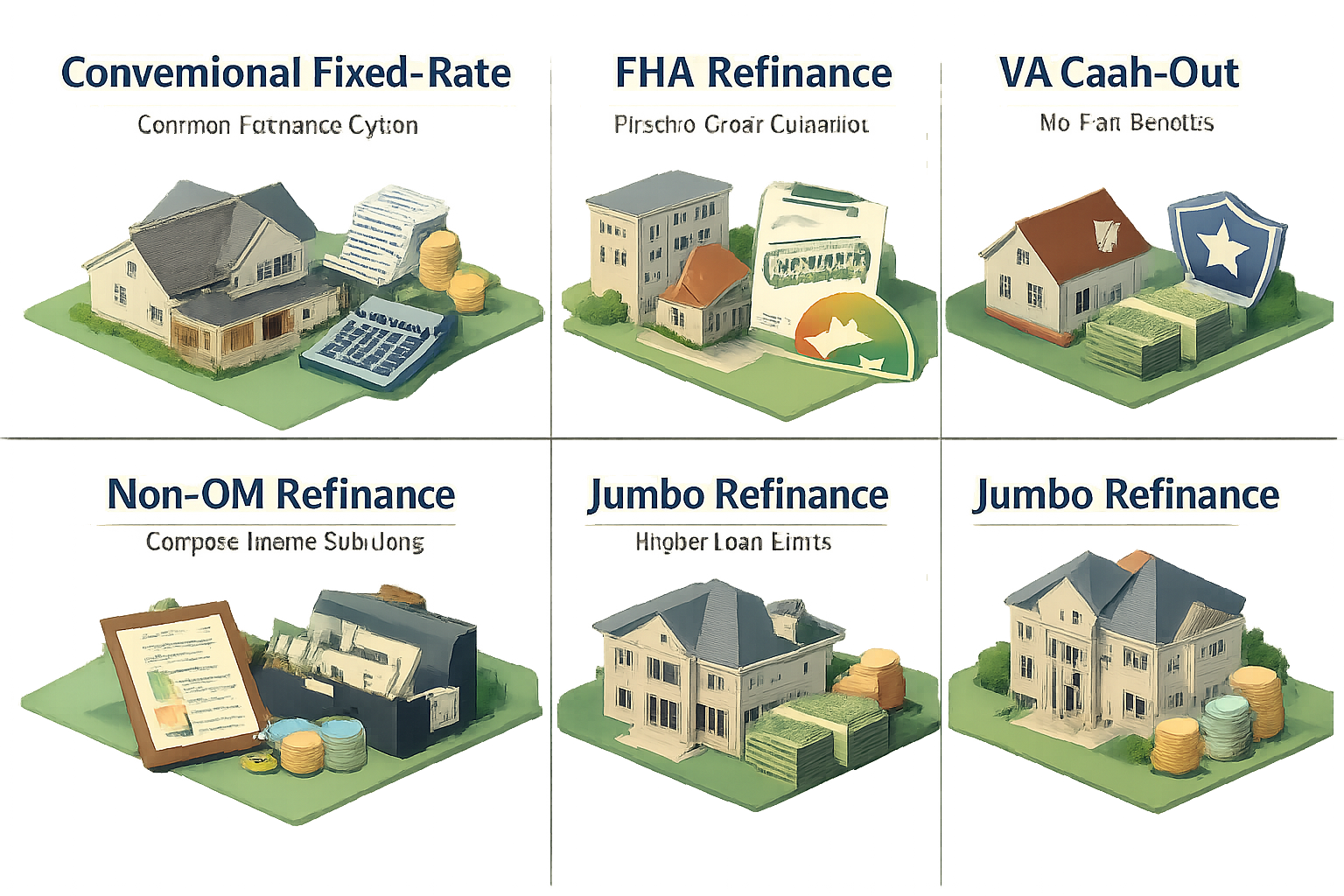
When exploring ARM refinance options with variable bonus income, it helps to understand which loan products are available and how each one treats income documentation differently.
- Conventional Fixed-Rate Mortgage: This is the most common refinance destination for ARM borrowers. With a conventional loan backed by Fannie Mae or Freddie Mac guidelines, lenders will typically average your bonus income over two years and add it to your base salary. If you haven't yet received a full year of bonuses in your new role, your qualifying income may be based primarily on your new base salary alone — which could still represent a meaningful improvement if your promotion came with a significant pay raise.
- FHA Refinance: An FHA rate-and-term refinance may be an option if you currently have an FHA loan or if you'd benefit from FHA's more flexible credit guidelines. FHA loans follow similar income documentation requirements for bonuses, but their overall qualifying standards can be somewhat more accessible for borrowers with moderate credit profiles.
- VA Cash-Out or IRRRL Refinance: If you're a veteran or active-duty service member, a VA refinance may offer competitive rates with no private mortgage insurance. The VA Interest Rate Reduction Refinance Loan (IRRRL) streamlines the process if you already have a VA loan, and income documentation requirements may be simplified.
- Non-QM Refinance: For borrowers whose income structure doesn't fit neatly into standard guidelines — such as those with significant variable or bonus compensation — non-QM lenders may offer bank statement programs or asset-based qualification options. These loans often carry slightly higher rates but can provide a viable path when traditional documentation falls short.
- Jumbo Refinance: If your loan balance exceeds conforming limits, a jumbo refinance may be relevant. Jumbo lenders often have their own underwriting guidelines and may treat bonus income with more flexibility — or more scrutiny — depending on the institution.
Discussing your specific income profile with a knowledgeable mortgage professional can help you identify which path offers the best combination of rate, terms, and qualification likelihood.
Strengthening Your Refinance Application After a Promotion
Even if your bonus income can't be fully counted right away, there are several ways to make your refinance application as strong as possible. Here's what to focus on:
- Document everything thoroughly: Gather your most recent pay stubs reflecting your new salary, your offer letter or promotion letter, and W-2s from the past two years. If you've received bonuses in prior years at your company, those tax records can help establish a pattern.
- Maintain or improve your credit score: Lenders typically offer the most competitive rates to borrowers with higher credit scores. Paying down revolving debt, avoiding new credit applications, and keeping accounts in good standing can all contribute to a stronger profile.
- Review your debt-to-income ratio: Your promotion may have raised your income, which could lower your DTI. Lenders generally prefer a DTI below 43% for conventional loans, though some programs allow higher ratios with compensating factors. Paying down any existing debts before applying can also help.
- Build your equity position: If your home's value has increased since you purchased it, you may have more equity than you realize. A lower loan-to-value ratio can unlock better rates and eliminate the need for mortgage insurance.
- Time your application thoughtfully: If you're just a few months away from having a full year of bonus income documented, it may be worth waiting to apply. The additional income history could expand your qualifying options significantly.
The Best Options for Refinancing ARM Mortgage With Recent Job Promotion Bonus: A Strategic Framework
Pulling it all together, the best options for refinancing ARM mortgage with recent job promotion bonus depend on the intersection of your income documentation, credit profile, home equity, and loan balance. Here's a simple framework to guide your thinking:
If your promotion came with a strong base salary increase and you have solid credit and equity, a conventional fixed-rate refinance is likely your most straightforward path. Your new base pay may be enough to qualify without relying heavily on the bonus, and you'd benefit from the stability of a locked-in rate.
If your income is heavily weighted toward bonuses or variable pay, and a conventional lender can't fully count your earnings, a non-QM lender or a bank statement program might offer a workable alternative. Be prepared for potentially higher rates and weigh those costs carefully against the benefit of leaving your ARM behind.
If your current ARM still has several years of fixed-rate protection remaining and your bonus income isn't yet well-documented, it might make strategic sense to wait and prepare. Use this period to build a stronger file — accumulate bonus history, pay down debts, and monitor your home's value. When you do apply, your profile may be considerably stronger.
Regardless of which route you take, working with a mortgage professional who understands how to present complex income situations to underwriters can make a meaningful difference in both your approval odds and the terms you receive.
Common Mistakes to Avoid When Refinancing With Bonus Income
Refinancing is a significant financial decision, and a few common missteps can complicate the process — especially when your income includes variable components.
- Assuming all income counts immediately: Many borrowers are surprised to learn that a recent bonus can't automatically be included in their qualifying income. Understanding lender guidelines upfront prevents disappointment later in the process.
- Not shopping multiple lenders: Different lenders have different appetites for complex income structures. One lender might decline your application while another finds a workable solution. Getting quotes from multiple sources — including banks, credit unions, mortgage brokers, and non-QM lenders — increases your options.
- Overlooking closing costs: Refinancing typically involves fees that can range from a few thousand dollars to more, depending on your loan size and location. Rolling those costs into your new loan increases your balance and affects your long-term savings. Running the numbers carefully before committing is essential.
- Changing jobs again mid-process: Lenders verify employment throughout the refinance process, sometimes right up to closing. Changing jobs — even for a better opportunity — during this period could pause or derail your application. If a new job is on the horizon, it may be better to wait until after closing.
- Ignoring the rate environment: Refinancing makes the most financial sense when current rates offer a meaningful improvement over your existing rate. In a rising rate environment, the math may not always favor refinancing, even if your income has improved. Always compare your current ARM's projected rate trajectory against available fixed-rate options.
●Conclusion
A job promotion is something to celebrate — and it may also be the financial boost that makes your ARM refinance both possible and worthwhile. The key is understanding how lenders view your new income, especially if bonuses are part of the picture. With the right preparation, the right loan product, and the right lending partner, you can move from an unpredictable adjustable-rate loan to a stable fixed-rate mortgage that fits your new financial chapter. At LoanWise, we work with homeowners navigating exactly these kinds of transitions. Reach out today to speak with a mortgage professional who can help you evaluate your options and put your promotion to work for your home financing goals.