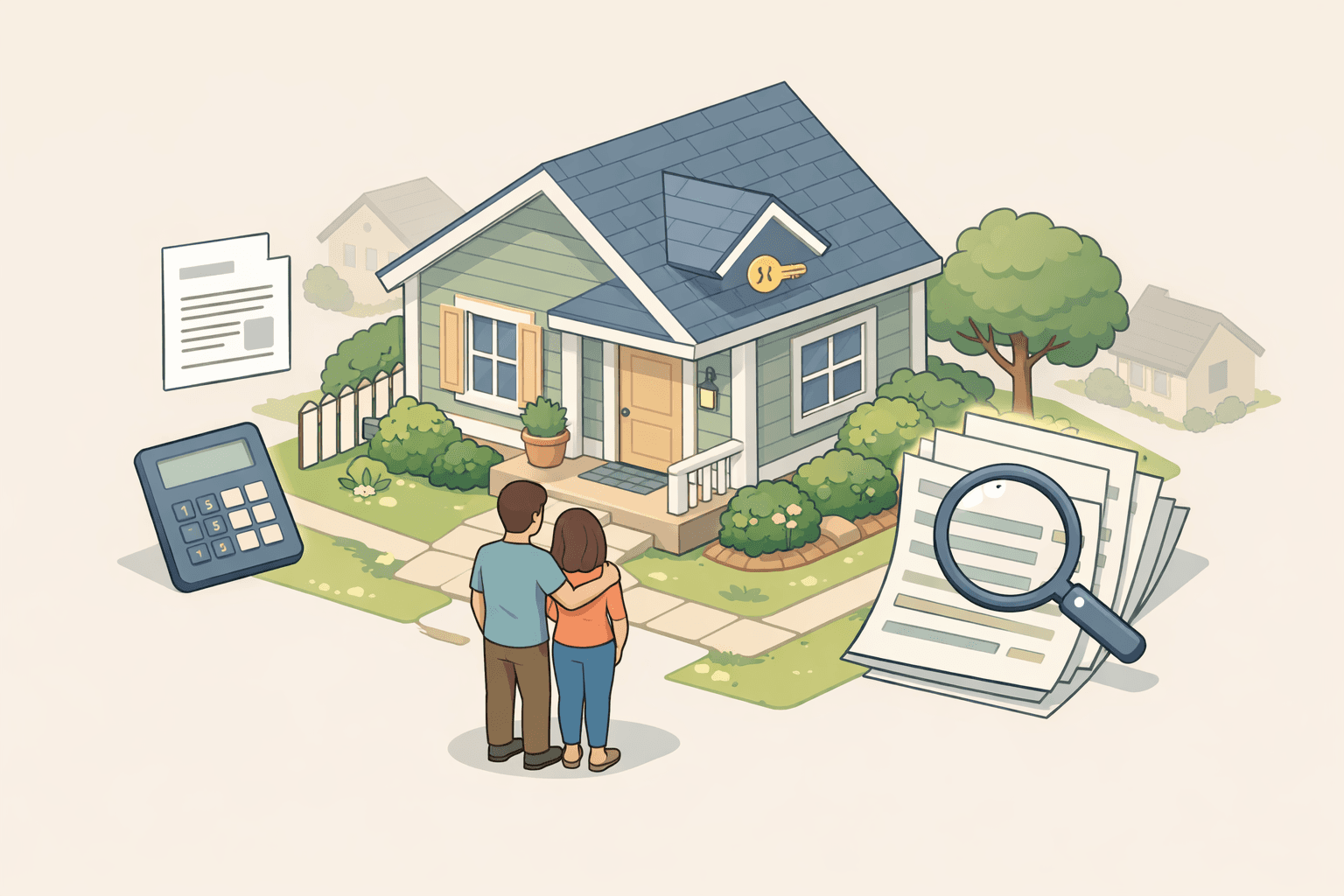
Buying your first home is one of the most rewarding financial milestones you can reach. But between saving for a down payment and keeping up with mortgage pre-approval requirements, many first-time buyers overlook one significant expense: closing costs. Understanding the average mortgage closing costs for first-time buyers before you get to the closing table can help you budget more accurately, avoid last-minute financial stress, and even identify opportunities to reduce what you owe. This guide breaks down what closing costs are, which fees you're likely to encounter, and how to prepare financially so you can close with confidence.
What Are Mortgage Closing Costs?
When you finalize the purchase of a home, you don't just pay the purchase price. You're also responsible for a collection of fees and expenses known as closing costs. So, what are mortgage closing costs exactly? They're the charges associated with processing your mortgage loan and transferring ownership of the property from the seller to you.
These costs typically cover a wide range of services performed by lenders, third-party vendors, and government agencies. They may include fees for loan origination, legal documentation, title searches, property appraisals, and more. In most cases, closing costs are paid upfront on the day you officially close on your home.
It's worth noting that closing costs are separate from your down payment. Even if you've saved enough for a 3% or 5% down payment, you'll still need additional funds set aside to cover these expenses. Failing to account for them can derail an otherwise well-planned home purchase.
How Much Do First-Time Buyers Typically Pay?
The average mortgage closing costs for first-time buyers can vary depending on the loan amount, the state you're buying in, and the lender you choose. Generally speaking, closing costs tend to range from about 2% to 5% of the home's purchase price. On a $300,000 home, that could mean anywhere from $6,000 to $15,000 due at closing.
Some states have higher fees because of additional government recording charges or transfer taxes, while others may be more affordable. Urban areas with higher property values may also see higher closing costs in raw dollar terms, even if the percentage is similar.
Keep in mind that your specific loan type can also influence the total. For example, FHA loans require an upfront mortgage insurance premium, which adds to your closing costs. VA loans, on the other hand, eliminate the need for private mortgage insurance but may include a funding fee. It's important to factor in your loan program when estimating what you'll owe.
A Breakdown of Common Fees at the Closing Table
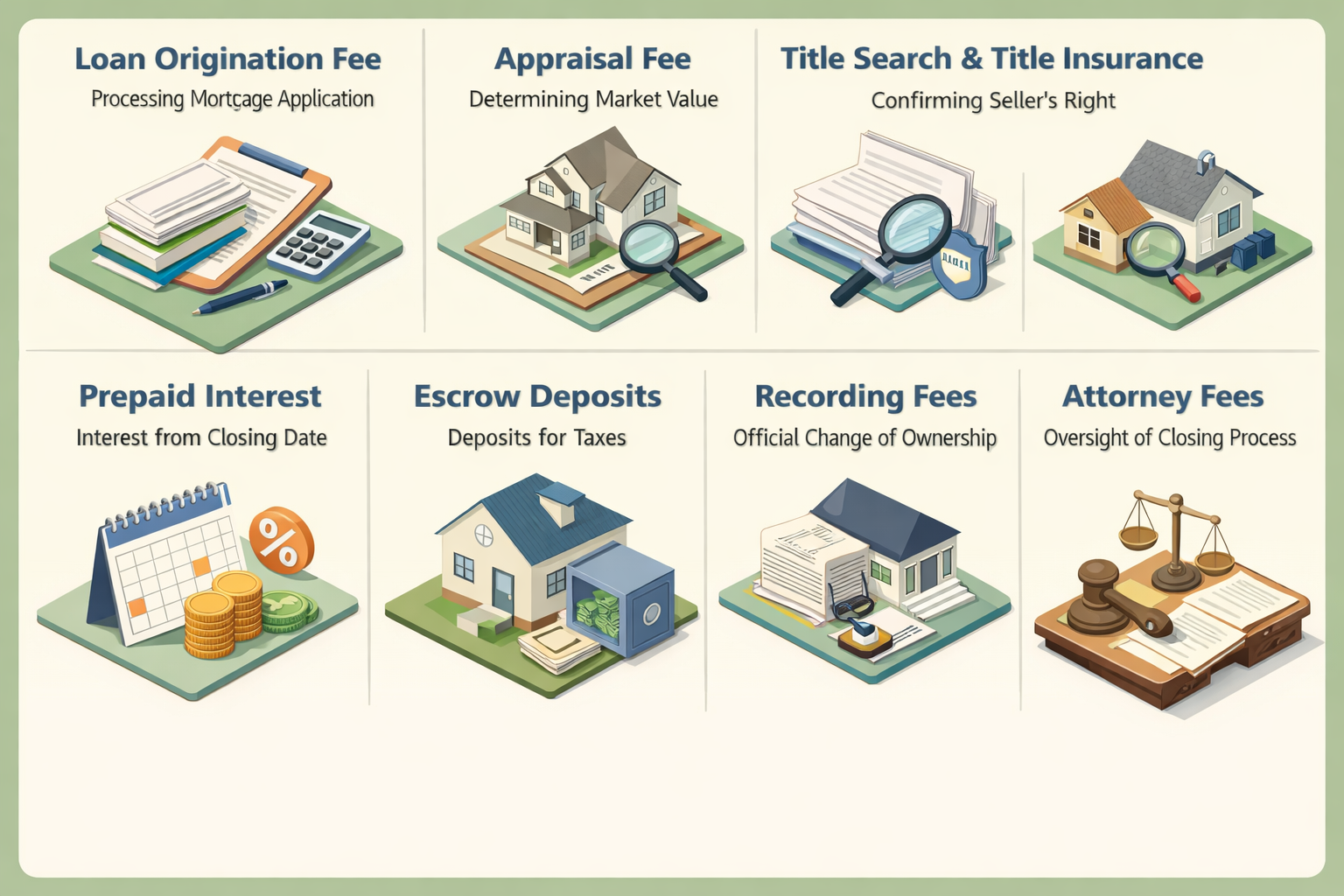
Understanding each line item on your Closing Disclosure can feel overwhelming at first, but it helps to know what you're paying for. Here are some of the most common fees you'll likely encounter at the closing table:
- Loan Origination Fee: Charged by the lender for processing your mortgage application. This is often expressed as a percentage of the loan amount.
- Appraisal Fee: Paid to a licensed appraiser who determines the market value of the home. This protects both you and the lender from overpaying.
- Title Search and Title Insurance: A title company reviews public records to confirm the seller has the legal right to sell the property. Title insurance protects you if any disputes arise later.
- Home Inspection Fee: While not always required by lenders, most buyers choose to get a professional inspection before closing.
- Prepaid Interest: You may need to prepay interest on your loan from the closing date to the end of the month.
- Escrow Deposits: Initial deposits into an escrow account to cover future property taxes and homeowners insurance premiums.
- Recording Fees: Charged by local government agencies to officially record the change of ownership.
- Attorney Fees: In some states, a real estate attorney is required to oversee the closing process.
Each of these fees contributes to the overall total, and while some are fixed, others may be negotiable or vary by provider.
Hidden Mortgage Closing Costs You Might Not Expect
Beyond the standard fees, there are several hidden mortgage closing costs that can catch first-time buyers off guard. These are charges that don't always get as much attention during the homebuying process but can add up quickly.
One common surprise is the rate lock fee. If you lock in your interest rate for an extended period, some lenders may charge a fee for that security. Another often-overlooked cost is the flood certification fee, which determines whether the property lies within a federally designated flood zone.
Buyers purchasing in planned communities or condominiums may also face homeowners association (HOA) transfer fees, which cover the administrative cost of transferring membership records. Additionally, if the seller has prepaid property taxes or HOA dues, you may need to reimburse them for the portion that covers the time after closing — a cost known as a prorated adjustment.
Some lenders charge a document preparation fee or a courier fee for sending paperwork, which may seem minor but can add to your total. The best way to avoid surprises is to review your Loan Estimate carefully when you receive it and ask your lender to explain any charges you don't recognize.
Using a Closing Costs Calculator to Plan Your Budget
One of the smartest moves a first-time homebuyer can make is using a closing costs calculator mortgage tool before committing to a purchase price. These online tools allow you to input details like your loan amount, location, and loan type to generate a realistic estimate of what you might owe at closing.
A closing costs calculator can help you in several important ways:
- It gives you a ballpark figure so you can set aside the right amount in savings.
- It helps you compare different loan scenarios to see how your costs might change with a different loan amount or program.
- It can highlight which fees are typically lender-based versus third-party, so you know where there may be room to shop around.
Keep in mind that a calculator provides an estimate, not a guarantee. Your actual costs may differ once you receive your official Loan Estimate from the lender. Still, having a projected number in hand before you start touring homes can make your entire homebuying journey more financially focused and less reactive.
LoanWise offers tools and resources to help you run these numbers and understand what to expect before you ever speak with a lender.
First-Time Homebuyer Assistance Programs That Can Help
The good news is that first-time buyers don't always have to cover all of their closing costs out of pocket. There are several first-time homebuyer assistance programs available at the federal, state, and local level that can help reduce this financial burden.
Many state housing finance agencies offer grants or forgivable loans specifically designed to cover closing costs for eligible buyers. These programs often have income limits and may require you to complete a homebuyer education course, but they can significantly reduce what you need to bring to closing.
Some loan programs also allow sellers to contribute toward your closing costs as part of the purchase negotiation. This is known as a seller concession, and depending on the loan type and purchase price, sellers may be permitted to cover a portion of your fees. It's a strategy worth discussing with your real estate agent during the offer process.
Additionally, lender credits are another option. In exchange for accepting a slightly higher interest rate, your lender may apply a credit toward your closing costs. This can reduce your upfront expense, though it does mean you'll pay a bit more over the life of the loan. Weighing the short-term savings against the long-term cost is an important part of this decision.
Tips to Reduce Your Closing Costs Before You Sign
While some closing costs are fixed and unavoidable, others offer flexibility. Here are several practical strategies first-time buyers can use to keep their costs as low as possible:
- Shop for third-party services: Your lender is required to give you a list of approved providers for services like title insurance and home inspections. You have the right to shop around for competitive pricing among those providers.
- Negotiate with your lender: Some fees, like origination charges or document preparation fees, may be negotiable. It never hurts to ask if any fees can be reduced or waived.
- Compare Loan Estimates from multiple lenders: Getting quotes from at least two or three lenders lets you compare not just interest rates but total closing costs side by side.
- Time your closing strategically: Closing near the end of the month reduces the amount of prepaid interest you'll owe, since that cost covers the days between closing and the end of the billing cycle.
- Ask about no-closing-cost mortgages: Some lenders offer loans where closing costs are rolled into the loan balance or offset by a higher rate. This may be appropriate if you're short on cash, though it increases your long-term borrowing cost.
Being proactive and informed throughout the process is your best tool for managing expenses. The more questions you ask early on, the fewer surprises you'll encounter later.
If you're looking for support, explore first-time homebuyer assistance programs that may be available in your area to help offset these costs.
●Conclusion
The average mortgage closing costs for first-time buyers represent a real and significant part of the homebuying budget. From loan origination fees and appraisals to title insurance and hidden charges, knowing what to expect puts you in a much stronger position when it's time to close. Using a closing costs calculator, exploring first-time homebuyer assistance programs, and comparing lenders can all help reduce what you owe and keep your purchase on track. At LoanWise, we believe that informed buyers make better borrowers. If you're ready to take the next step toward homeownership, our team is here to help you understand your options and navigate the process with clarity and confidence.