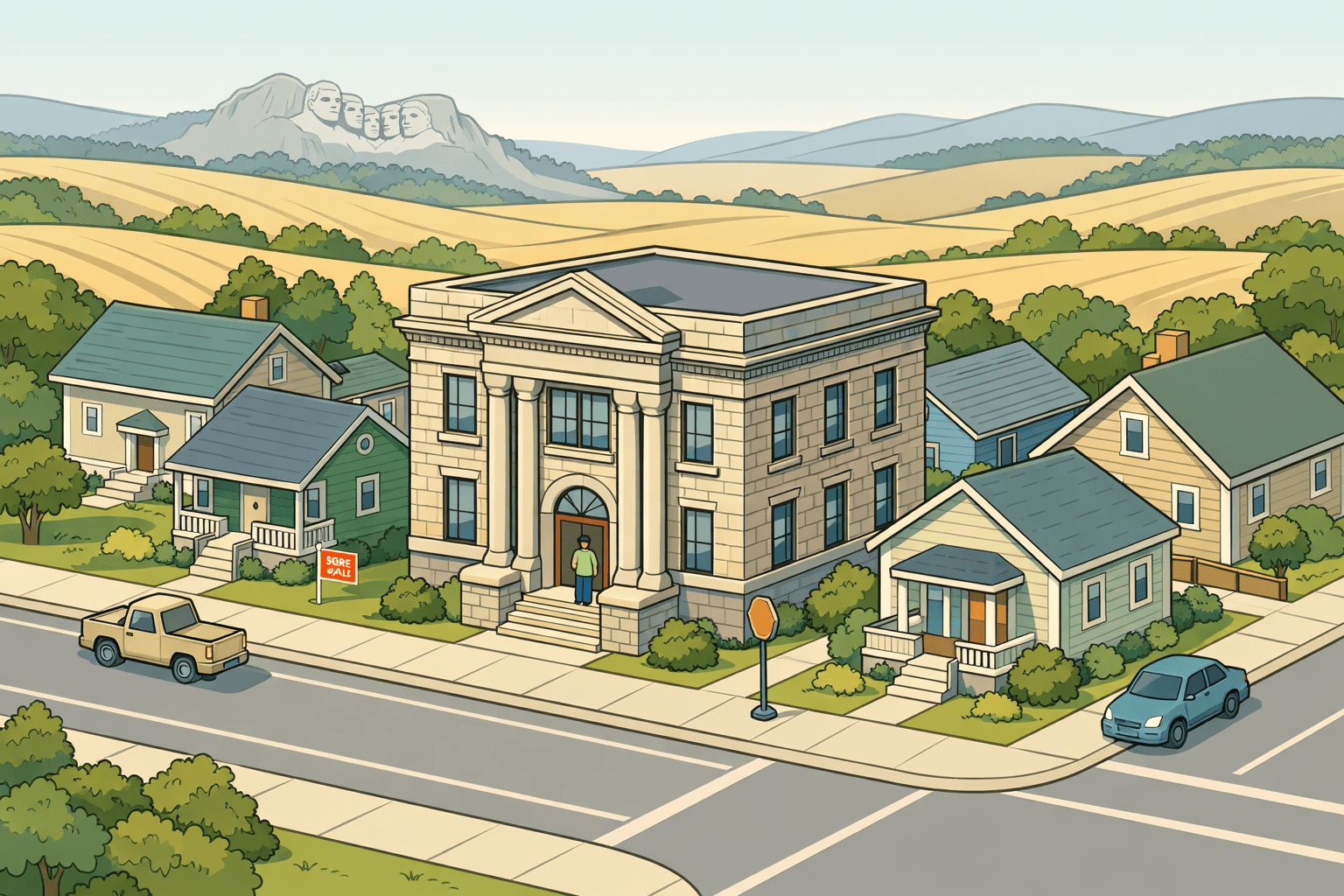
Homeownership in South Dakota is increasingly within reach for a broader range of buyers — including those who have built lives, careers, and credit histories in the state without a Social Security number. The ITIN mortgage market has grown in response to this reality, with community banks, national non-QM lenders, and mission-driven institutions all developing programs that substitute an Individual Taxpayer Identification Number for the SSN requirement standard in conventional and government-backed loans.
South Dakota's housing market spans rapidly growing metros like Sioux Falls and Rapid City, as well as smaller communities where access to specialized mortgage products can be limited. For ITIN borrowers in this environment, lender selection is especially consequential — not every national lender with an ITIN product page maintains meaningful underwriting infrastructure or local market knowledge in the state. The distinction between a lender that broadly lists ITIN eligibility and one that actively underwrites and closes these loans in South Dakota is significant.
ITIN mortgages typically carry distinct underwriting characteristics that borrowers should understand before applying:
- Alternative credit documentation — Lenders often accept rent payment history, utility records, or international credit references in place of a traditional U.S. credit file.
- Flexible income verification — Bank statements, profit-and-loss statements, and alternative documentation may substitute for W-2s or tax returns depending on the program.
- Down payment requirements — ITIN loans generally require larger down payments than conforming loans, often starting around 10 percent or higher.
- Non-QM or portfolio execution — Most ITIN mortgages are held on the lender's balance sheet or structured under non-qualified mortgage guidelines, which affects pricing and program terms.
This ranking was developed by evaluating lenders across several dimensions relevant to South Dakota ITIN borrowers: the clarity and accessibility of their ITIN mortgage programs, their documented presence in South Dakota markets, the range of transaction types supported, alternative documentation flexibility, and their overall reputation for serving underserved borrower populations. The goal is to give buyers, homeowners, and their advisors a practical, differentiated view of which lenders are best positioned to deliver results in this state.